A study with samples from 1978 detected traces of humans, plants, animals, microorganisms and even Mediterranean coral, although it does not resolve the authenticity of the canvas
The Shroud of Turin, one of the most enigmatic and debated religious artifacts in history, has just provided new clues thanks to cutting-edge DNA analysis. Scientists examined samples officially taken in 1978 and found a surprising mix of genetic material that reflects centuries of human contact and exposure to different environments.
The work, published in the journal Scientific Reports, applied for the first time an advanced metagenomic sequencing technique without PCR to these historical samples. This method allows for the identification of DNA from multiple species in the same fragment, which is especially useful in objects that have been handled, stored, and moved over time.
The researchers detected several lineages of human mitochondrial DNA, indicating that people of different genetic backgrounds left their mark on the cloth. They also found an unexpectedly diverse microbiome, with bacteria typical of human skin, fungi, and microorganisms adapted to saline environments, including some archaea capable of living in extreme conditions.
Beyond the human and microscopic, the team identified genetic material from cultivated plants such as wheat, carrot, corn, banana, and peanut. Traces of domestic animals also appeared: cows, pigs, chickens, dogs, and cats. One of the most striking findings was the presence of DNA associated with red coral from the Mediterranean.
A biological archive accumulated over centuries
All this diversity suggests that the cloth was in contact with a wide variety of organisms and environments throughout its history. However, scientists emphasize that the presence of DNA from a species does not indicate when it arrived on the fabric. Some traces may be recent while others are much older, complicating any attempt at precise dating based on this data.
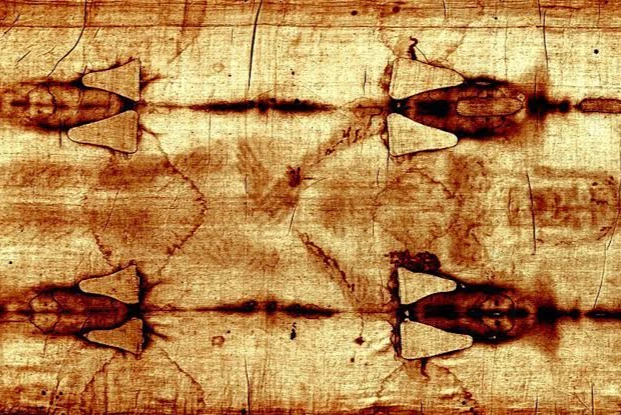
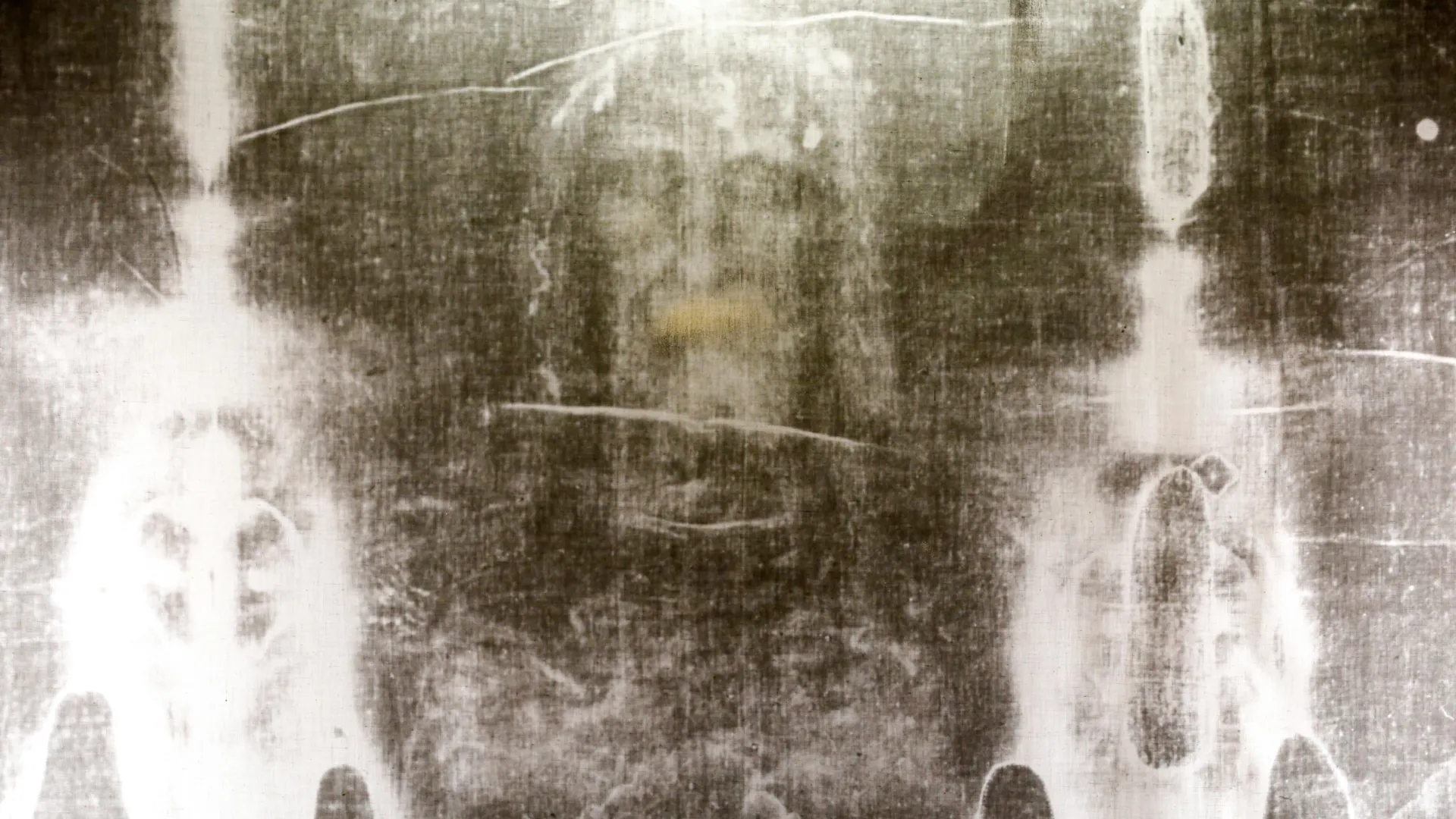
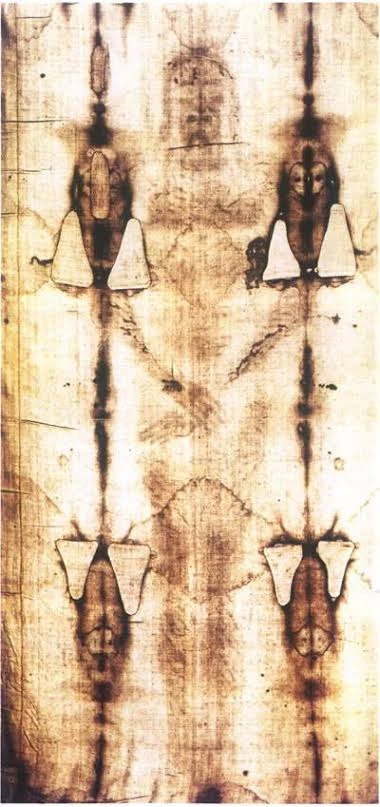
The research does not aim to resolve the debate about the age or authenticity of the Shroud of Turin. The linen cloth, which shows the diffuse image of a human figure, remains a subject of controversy among those who link it to the burial of Jesus and those who consider it a medieval creation. The recovered DNA represents a mix accumulated over different periods, making it impossible to separate any potential original material from later traces.
What the study does demonstrate is the potential of new forensic genomics and proteomics tools to analyze historical objects. These techniques allow for the reconstruction of part of the environmental and manipulation history of pieces that until now were only studied with more limited methods.
Professor Noemi Procopio from the University of Lancashire and a participant in the international team highlighted the value of applying current technologies to samples collected nearly half a century ago. “The Shroud represents a rich archive of genetic information accumulated over centuries of human interaction and environmental exposure,” she stated. Although DNA does not answer all questions about the origin of the fabric, it offers an unprecedented look at its biological complexity.
The work reinforces the idea that forensic advances can open new windows on ancient artifacts without the need to take fresh material. In the case of the Shroud of Turin, the result is a detailed portrait of the organisms and environments that accompanied it through time, rather than a definitive answer about its authenticity. The cloth continues to hold mysteries, but it is now known to also preserve a genetic record that is much richer and more diverse than previously imagined.