In response to an attack launched by Islamabad against Taliban terrorist positions, Kabul's response was swift
Nuevo
Agregar La Derecha Diario en
Compartir:
Tensions between Afghanistan and Pakistan have reached a new critical point following a large-scale offensive launched by Afghan forces against Pakistani military positions on Saturday night.
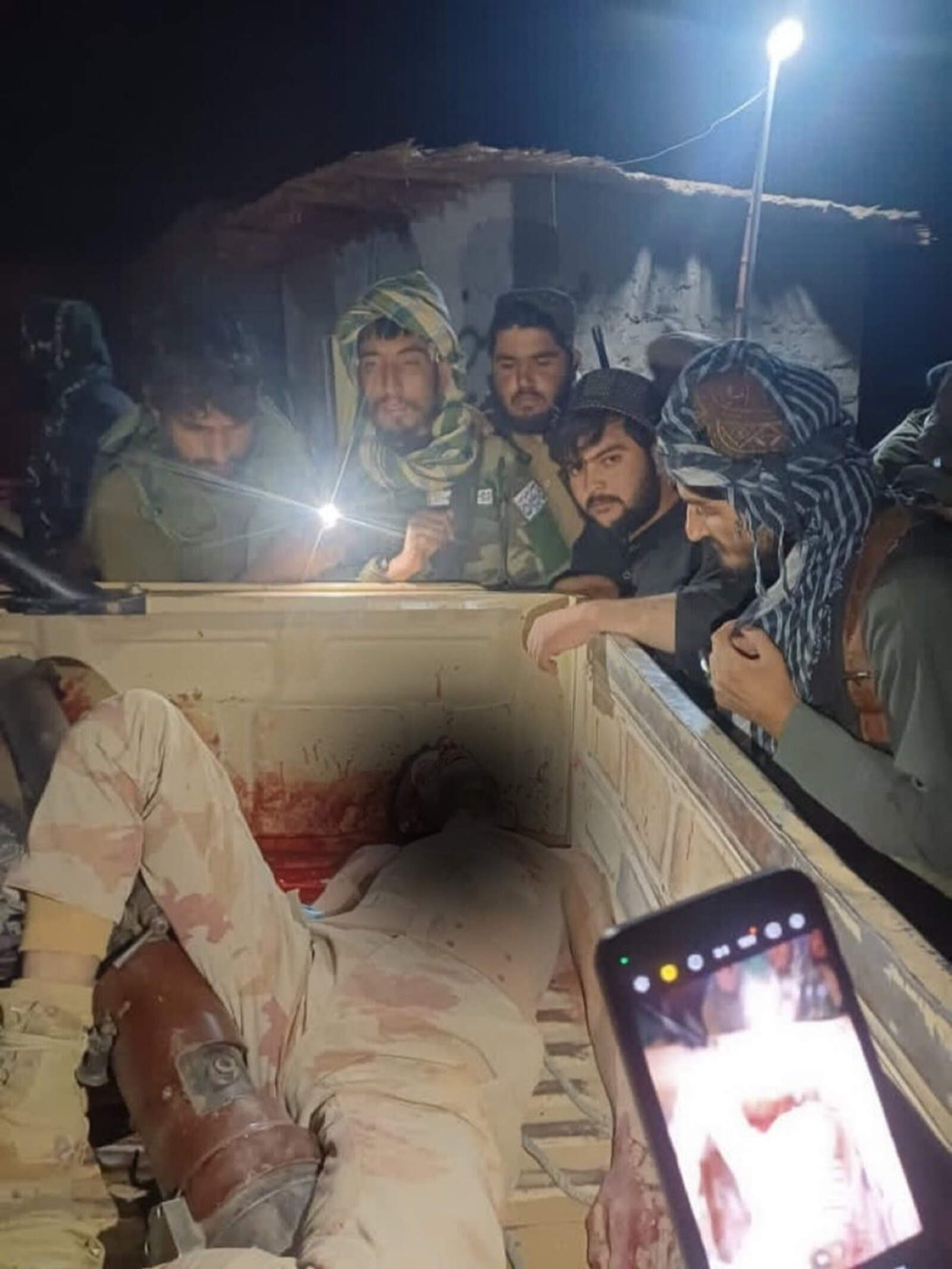
This clash has left at least eight Pakistani soldiers dead and several more wounded, in addition to a significant loss of weaponry and strategic positions for the Pakistani side.
According to local reports and security sources, the Afghan attack was a direct response to recent airstrikes carried out by the Pakistan Air Force over Kabul and other Afghan cities.
In retaliation, units of the Islamic Emirate of Afghanistan carried out ground operations at several border points, particularly in the Zazai Maidan area, in Khost province. There, Afghan border guards cut the barbed wire installed by Pakistan on the Durand Line, a historically disputed border between both countries, and took control of several posts of the Pakistani Frontier Corps.
The conflict was not limited to Khost. Intense clashes were also reported in the provinces of Helmand, Zabul, and Paktia, where multiple checkpoints of Pakistani forces collapsed in the face of the Afghan advance.
In these regions, the Afghan army managed to seize a large amount of weaponry and military equipment. According to some sources, a Mil Dehshika tank was even captured, and five Pakistani soldiers reportedly surrendered their weapons in the Maiwand district, in Kandahar province.
This escalation of violence has caused great concern at the regional level, as it marks one of the most significant clashes between both countries since the Taliban took control of Afghanistan in 2021.
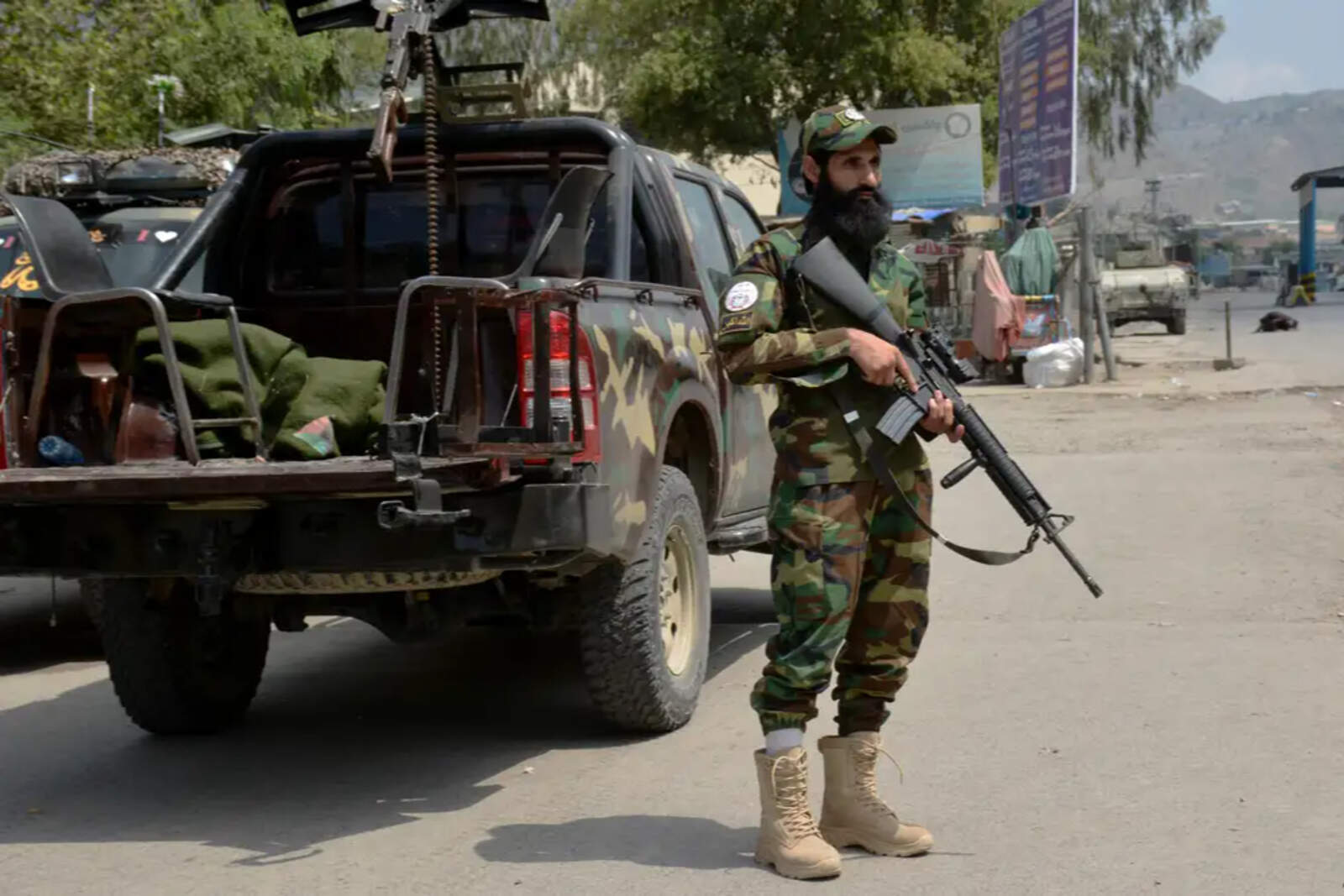
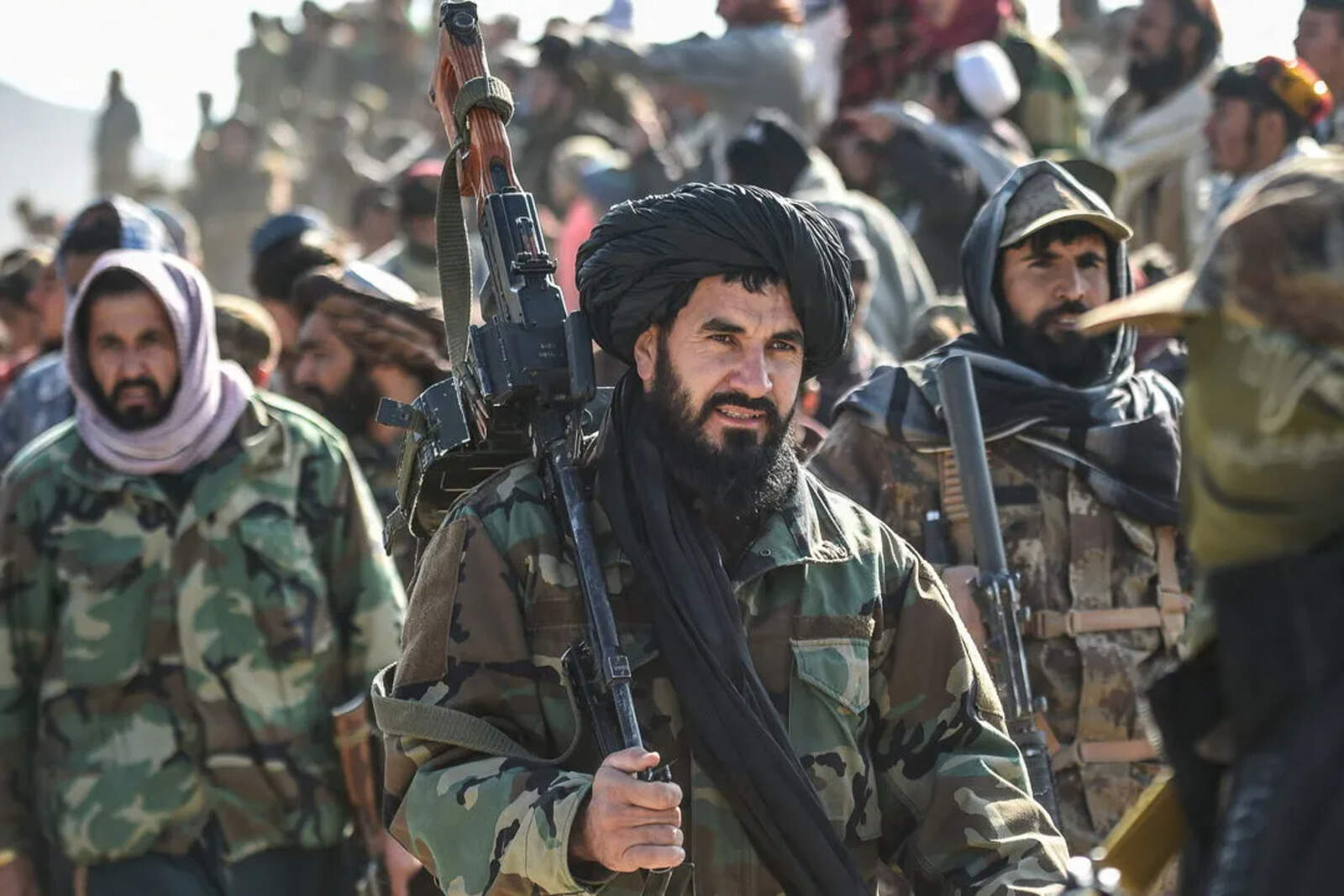
Las fuerzas armadas talibanes lograron tomar varias posiciones pakistaníes
Meanwhile, Afghanistan accuses Pakistan of violating its territorial sovereignty with unprovoked airstrikes, while Pakistan holds Kabul responsible for allowing armed activists to operate from its territory and attack Pakistani soil, especially in the regions of Balochistan and Khyber Pakhtunkhwa.
The current confrontation not only reflects the fragile relationship between both governments, but also highlights the lack of effective mechanisms for dialogue and conflict resolution. The historic dispute over the Durand Line, which Kabul has never officially recognized as an international border, remains a constant source of friction.
Additionally, this incident could have serious consequences for security in South Asia. An open conflict between Afghanistan and Pakistan would have not only military but also humanitarian implications, with possible forced displacement of civilians in the border regions and greater instability in an area already volatile due to the presence of insurgent and extremist groups.
Los talibanes asesinaron al menos a 8 soldados pakistaníes y capturaron a varios más