The former president denied the existence of patriarchy, retracted his statement, and acknowledged corruption scandals within Kirchnerism
Nuevo
Agregar La Derecha Diario en
Compartir:
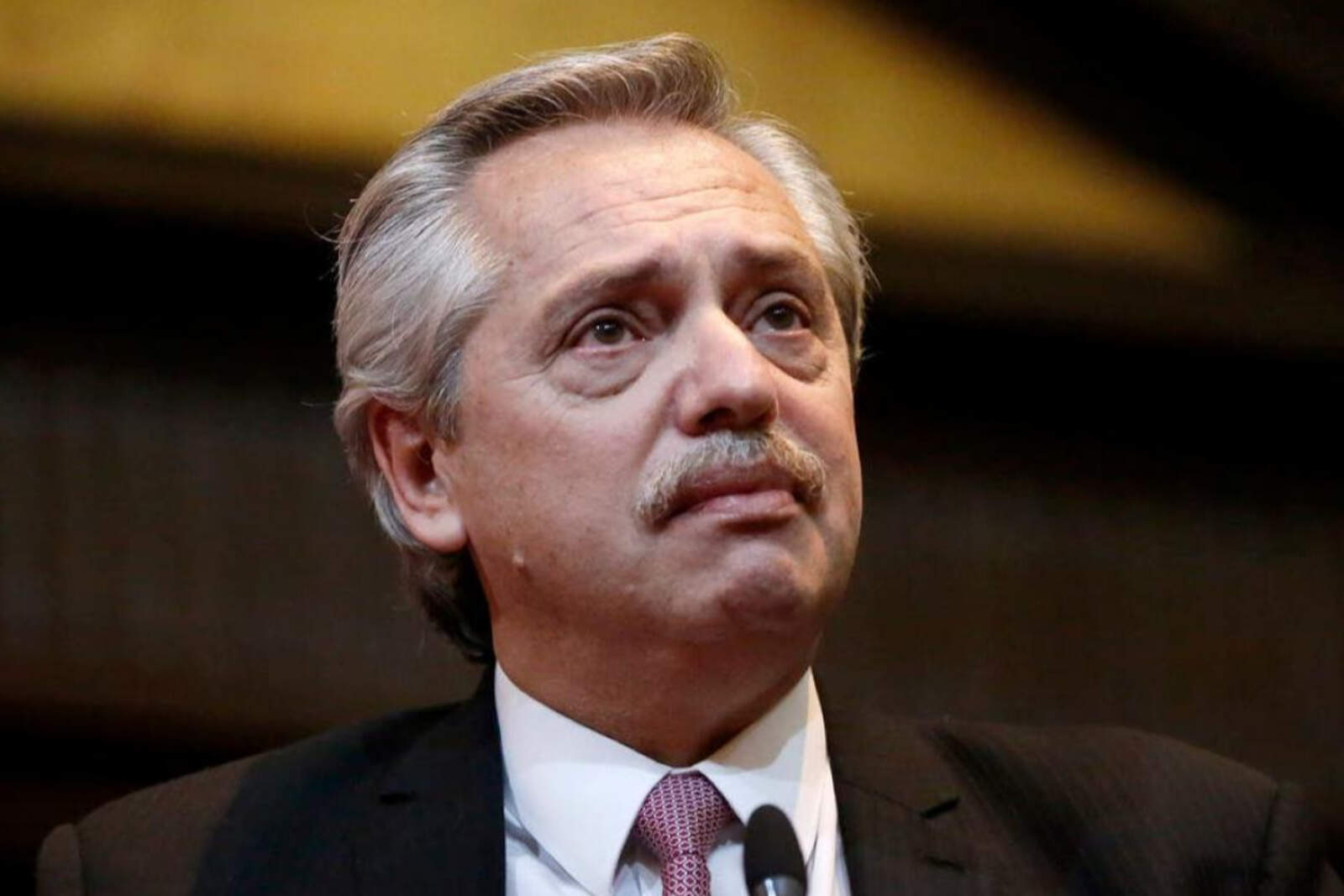
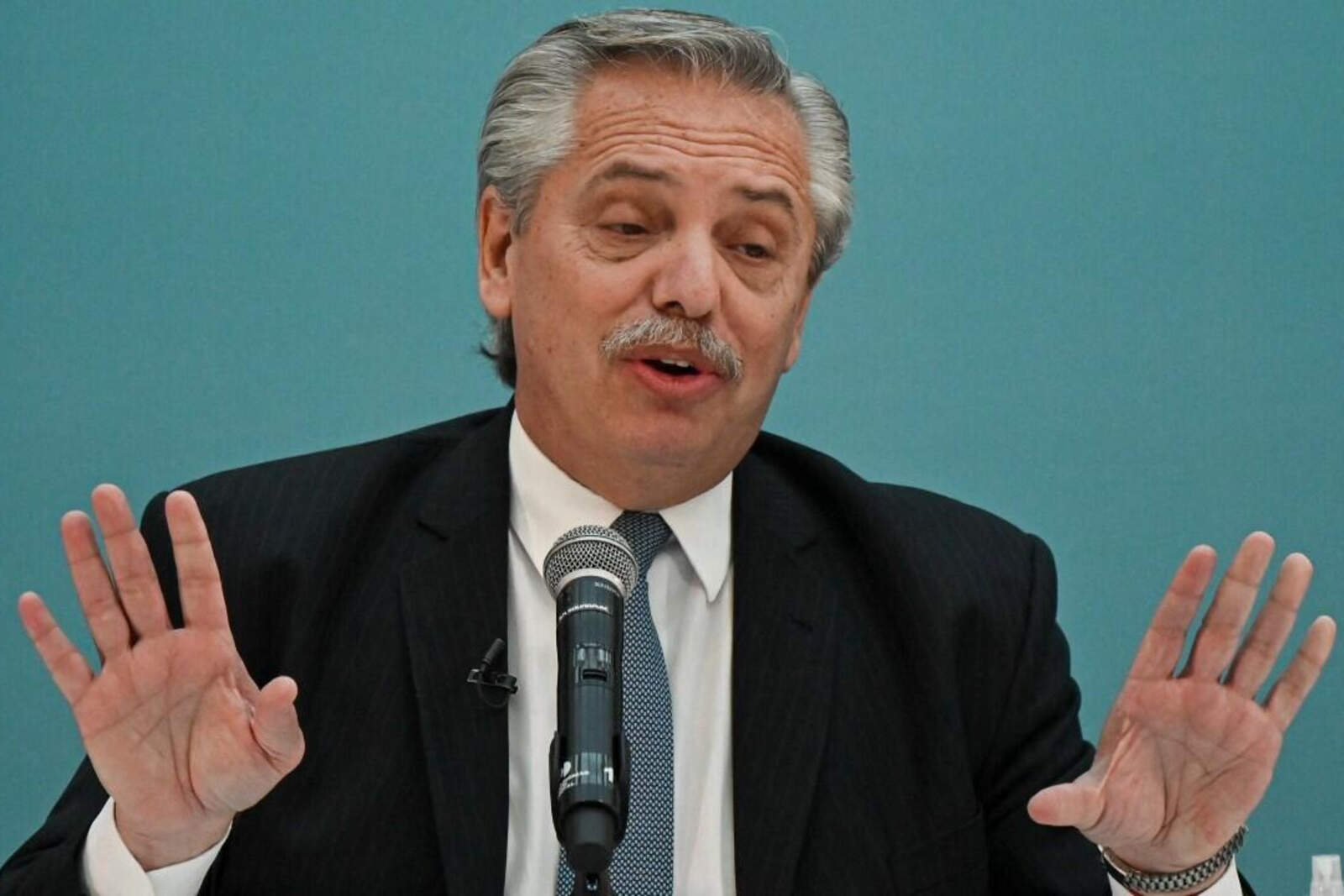
In an interview marked by contradictions and unexpected rhetorical twists, former president Alberto Fernández was once again exposed by his own inconsistencies. In just a few minutes, he went from declaring himself the "patriarchy" slayer to backtracking, spoke about false accusations, targeted Claudio "Chiqui" Tapia, and even acknowledged acts of corruption committed during the Kirchner administrations.
The episode began when Fernández claimed that during his term he "ended the patriarchy" and that between him and Fabiola Yañez "there is no inequality for being a man or a woman". Seconds later, he was forced to retract his statement due to pressure from the activists interviewing him and admitted that the "patriarchy" had not ended. The former president tried to recover his argument by suggesting that there is still a need to "end violence," but his back-and-forth reflected the same rhetorical inconsistency that characterized his administration. Alberto Fernández entrevistado en streaming.
From there, Fernández shifted to a new front: false accusations. The former head of state stated that, after what happened in his own personal sphere, he receives enormous amounts of messages from "people who were falsely accused." The statement did not go unnoticed, especially in sectors that for years criticized Kirchnerism for promoting a gender policy based on more symbolic than effective slogans, leaving thousands of men in a situation of legal defenselessness.
However, the conversation took another turn when Fernández decided to attack the president of AFA. "I love soccer. I never wanted politics to get involved in soccer. When politics gets involved, it ruins soccer," he said about Chiqui Tapia, who for some time has been accused of using AFA's structure for his own benefit and to maintain alliances with Peronism. The fact that the former president himself criticized that mix did not go unnoticed: Kirchnerism built much of its territorial power thanks to its influence in soccer, clubs, and the neighborhood apparatus. Alberto Fernández.
The most explosive moment came when Fernández admitted that he doesn't intend to defend acts of corruption linked to Kirchnerism. Referring to the famous case of the bags thrown over a convent wall, he stated: "I'm not going to defend a man whom we all saw throwing bags of money over the wall of a convent, how am I going to defend that?" An unusual statement from someone who spent decades in the innermost circle of Peronism and who tried to present himself as the moral guarantor of a space mired in corruption cases.
His statements reignited the debate about Kirchnerism's responsibility in the scandals of the last decade. Meanwhile, Javier Milei's government is moving forward with a transparency and deregulation agenda, the contrast with Fernández's rhetorical chaos is evident: the former president can't explain his own legacy, oscillates between contradictions, and ends up betraying his own political space.