The CONMEBOL president justified the current model, stating that the old format created a structural advantage for the team playing the decisive match at home
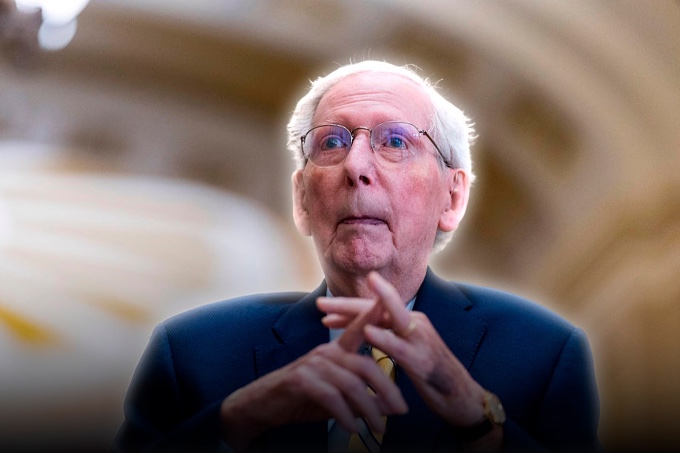
Since the 2019 edition, the Copa Libertadores final and Copa Sudamericana left behind their historic two-legged format and adopted single-match finals. The discussion about a possible return occasionally arises among fans, but the official response already has a clear and definitive message. Alejandro Domínguez, president of CONMEBOL, publicly explained why the organization doesn't consider going back and firmly defended the single-match model.
The official spoke through a video published on the South American entity's official TikTok account, where he acknowledged that those finals marked an era and are part of the continent's collective memory. However, he immediately clarified thatthe data, using Libertadores as an example, showed a serious problem: a trend favoring the team that played the second leg at home.
"In the last 10 years in which it was played that way, in 7 instances the champion was the team that played at home in the second match," Domínguez explained.
The data supports his argument. Between 2008 and 2017 (2018 doesn't count due to the memorable final in Madrid between River and Boca due to the incidents near the Monumental before the second leg) ten two-legged finals were played and only three teams managed to win away from home: Liga de Quito (2008), Estudiantes de La Plata (2009), and Gremio (2017).
For him, that difference undermined sporting fairness and justified changing the system. That's why he defended the final at a neutral venue: "We thought it was fairer for everything to be decided in a single match. It's 90 minutes; if it can't be decided, 30 minutes are added and, if still undecided, it goes to penalties. However, in a single match it's all or nothing: there are no second chances."
La final de 2018 entre River y Boca fue la última a ida y vuelta en la Libertadores
The official also mentioned other reasons that strengthen this position. He stated that a single final allows for safer organization, a more controlled spectacle, and better conditions for everyone involved: clubs, players, referees, and fans.
Finally, Domínguez assured that the change was neither improvised nor driven by a simple desire for modernization. According to him, the decision was made after a thorough analysis to ensure a more balanced competition and a final that is here to stay.