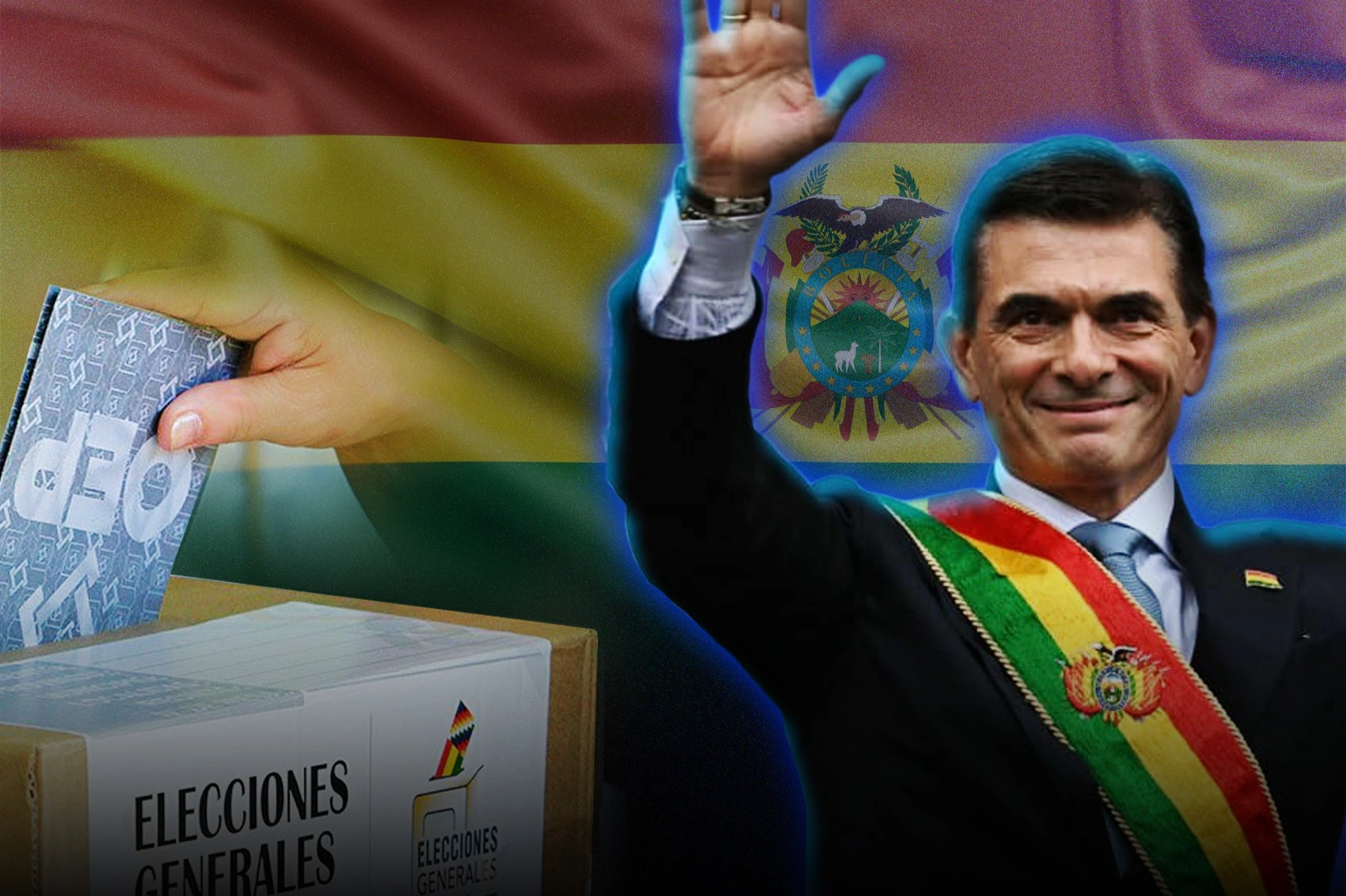

The regional elections held this Sunday in Bolivia shaped a new political map marked by the emergence of emerging leaders and, at the same time, by the strategic advance of alliances backed by President Rodrigo Paz, which managed to prevail in several key departments of the country.
According to the preliminary results released by the Supreme Electoral Tribunal (TSE), the ruling party and its allies achieved significant victories in the governorates of La Paz, Tarija and Beni, consolidating their territorial presence and strengthening their political projection ahead of the second rounds scheduled for mid-April.
In the department of La Paz, with 60% of the count, candidate Luis Revilla, of the Patria Sol Alliance, led the vote with 21.18%. Although the percentage anticipates a definition in the second round, its position reflects the competitiveness of a force aligned with the Executive in one of the most influential regions of the country. A similar scenario can be seen in Tarija, where Adrián Oliva, from Unity for the Fatherland, reaches 35.54% with 94% of the count, positioning himself as the first electoral option and
with an advantage for a possible ballot.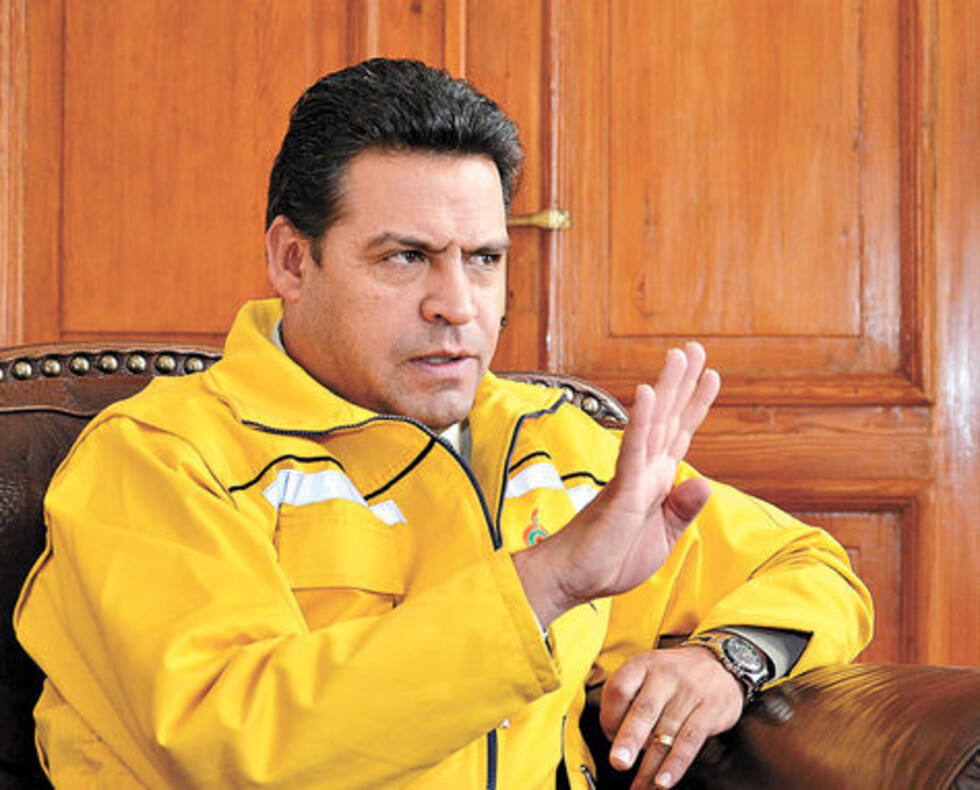
The strongest result for government allies is recorded in Beni. There, with 96% of the minutes processed, Tito Egüez, of the United Homeland Alliance, obtained 36.81% of the votes, with a wide difference compared to his competitors. This performance consolidates the official presence in the Amazon region and demonstrates the effectiveness of its strategy of local alliances
.However, the electoral landscape also reveals the limits of the ruling party in key positions. In Santa Cruz, one of the most important departments in the country, the Free Alliance candidate, Juan Pablo Velasco, leads with 28.55%, followed by Otto Ritter with 26.69%, while the current governor is in third place. This result marks one of the main surprises of the day and reflects a regional political reordering.