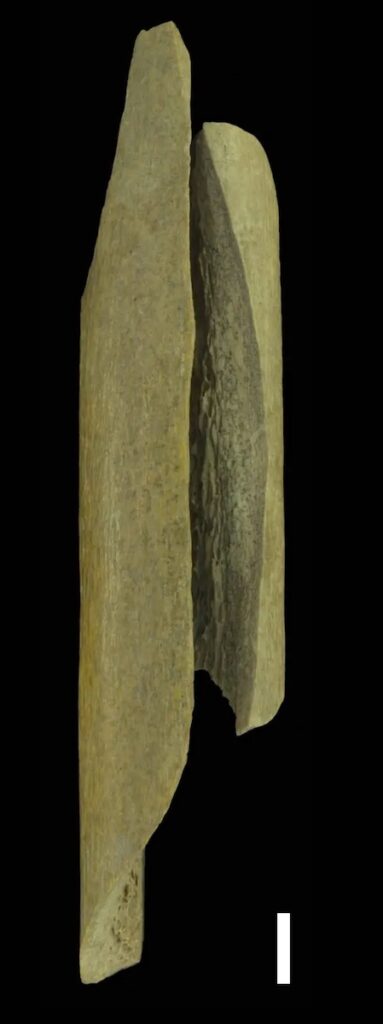

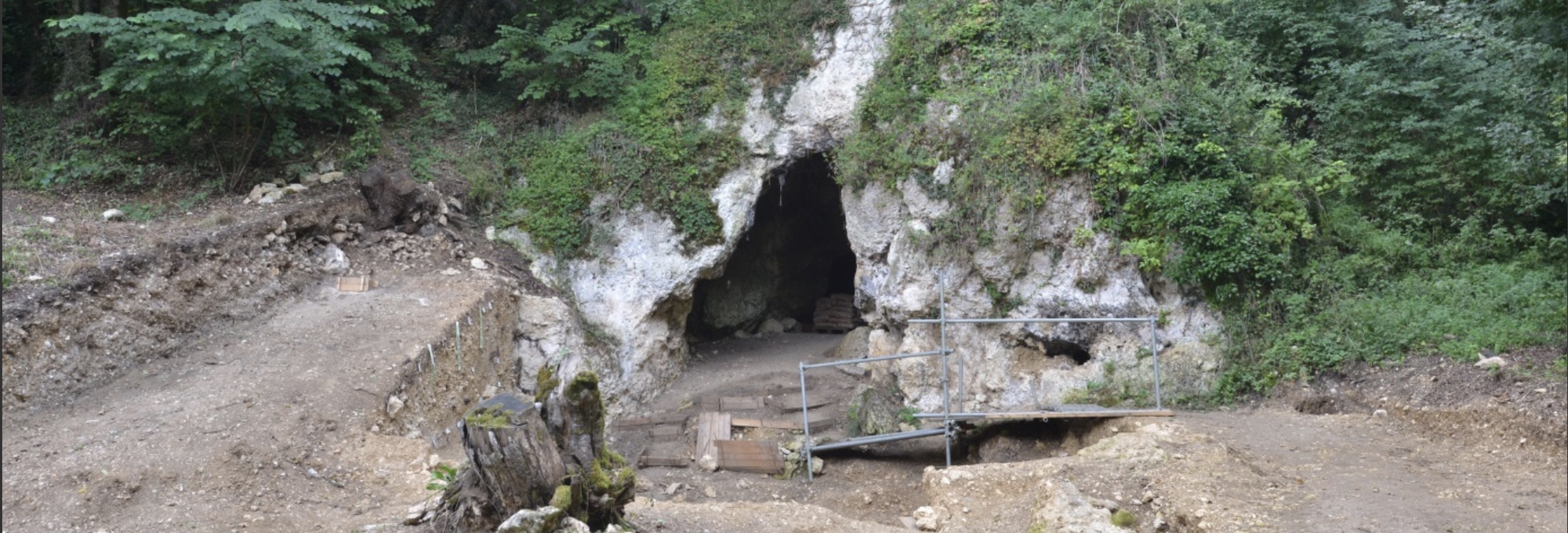
Researchers from Leiden University in the Netherlands analyzed the genomes of 27 Neanderthals who lived shortly before the species went extinct. The remains primarily come from sites in France and Belgium, including a recently discovered individual in Les Cottés, France.
The genome analysis of this latter individual showed connections with Neanderthal populations that inhabited areas outside of Western Europe. This challenges previous ideas about a possible lack of genetic diversity that may have contributed to their extinction.
According to the study, these 27 individuals were not part of a single isolated group. Instead, they lived in interconnected communities that shared different ancestral lineages. This complex social network suggests a richer organization than previously thought.
The results indicate that there were no signs of recent contact between these Neanderthals and modern humans. This absence of genetic mixing during the analyzed period is one of the key findings of the work led by Marie Soressi.
An unexpected diversity
For a long time, it was speculated that population reduction and low genetic diversity had accelerated the end of the Neanderthals. However, the examination of these genomes shows a different reality: there was a variety of lineages and connections between distant groups.