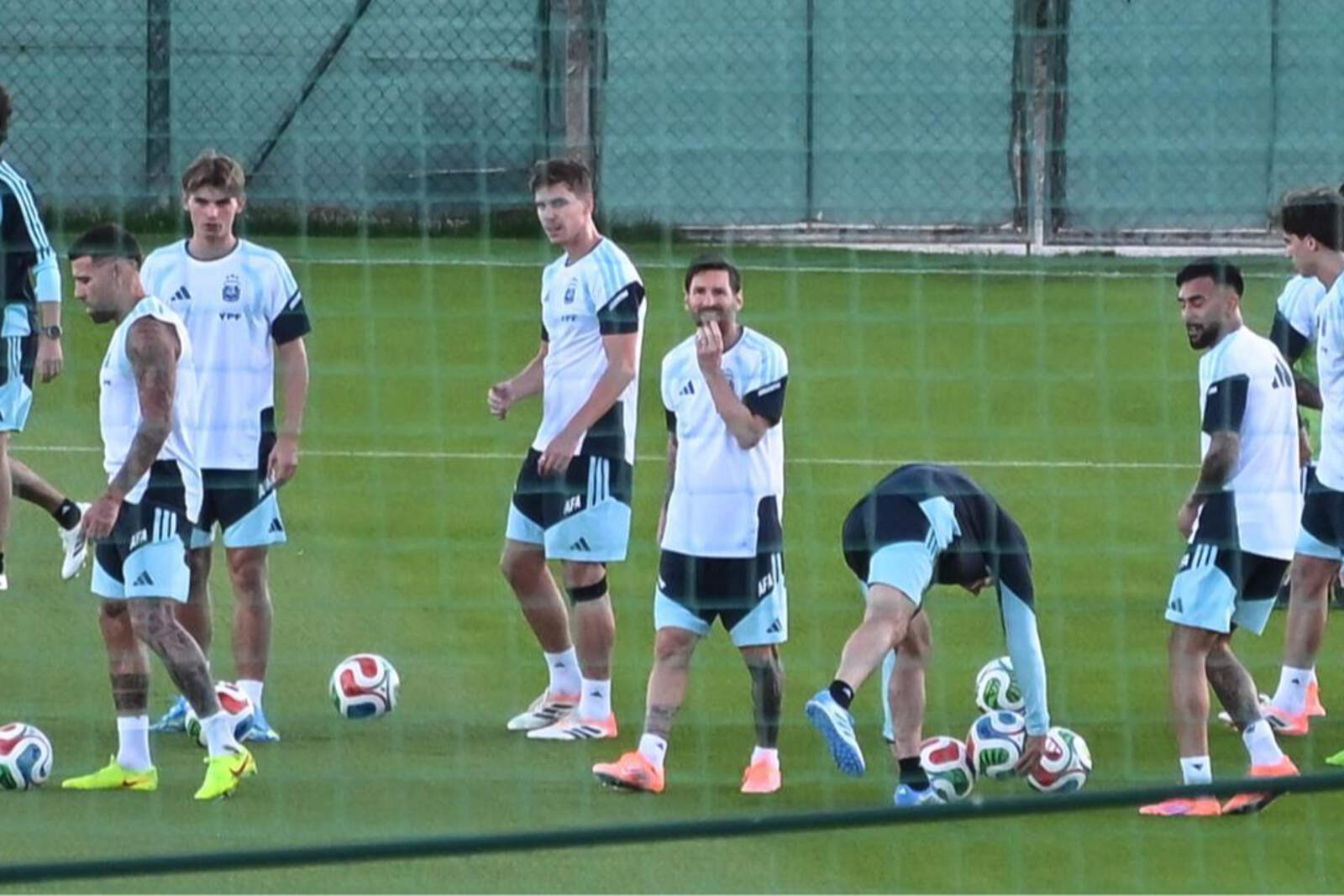
In the absence of a second friendly match, the Albiceleste players will have no further obligations after their trip to Africa
Nuevo
Agregar La Derecha Diario en
Compartir:
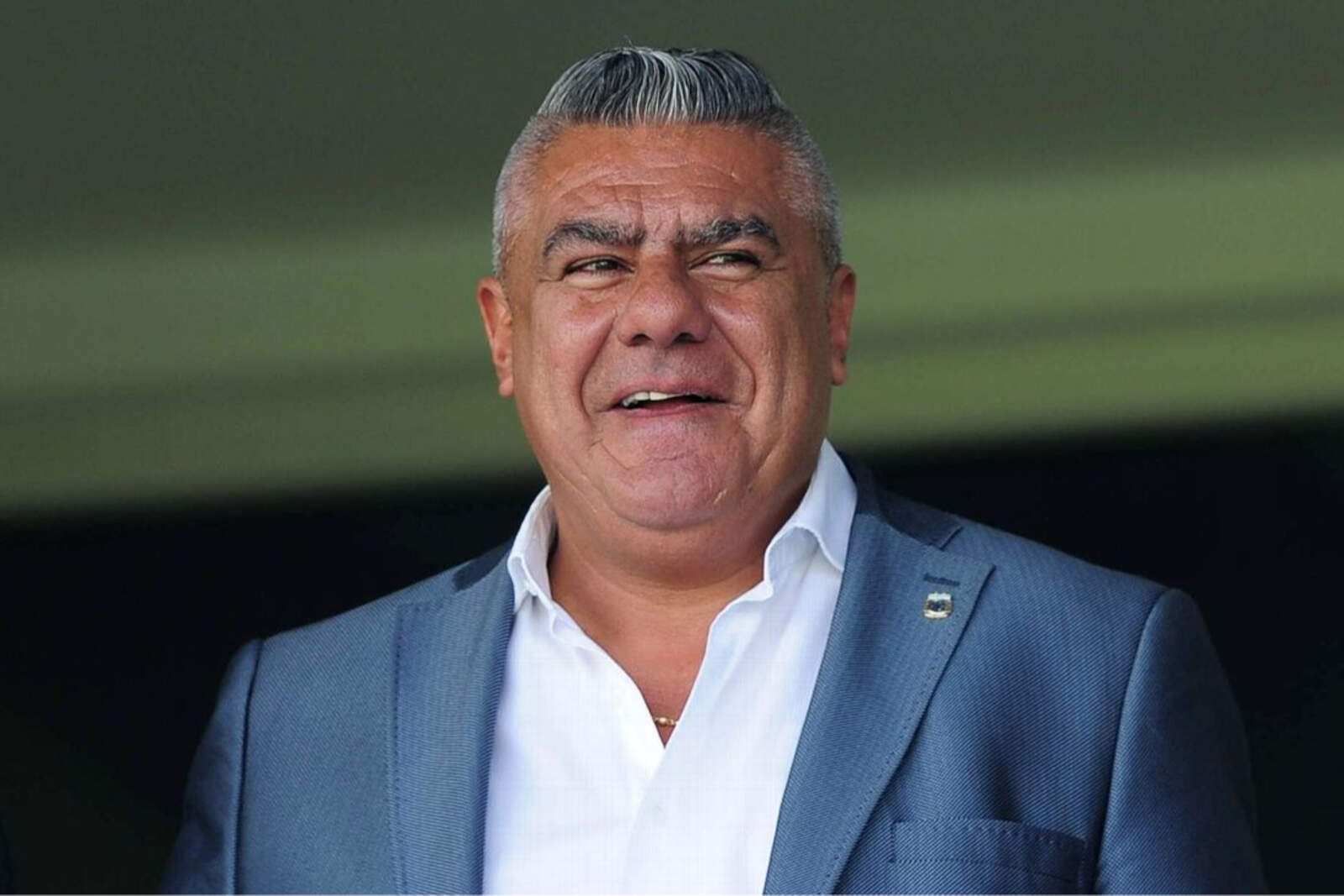
Argentina National Team is experiencing one of the most unusual tours in recent times. At the end of 2025, the reigning world champion will travel to Angola to play a single friendly match, with no major footballing challenge and with logistics that bordered on chaotic. Behind this situation, criticism is mounting against the AFA leadership, headed by the infamous Claudio "Chiqui" Tapia, who once again failed to secure a high-profile opponent and, to make matters worse, couldn't arrange a second match in the last FIFA window of the year.
The match against the African team, scheduled for Friday at 1 p.m. even forced the players to get vaccinated before the trip, something unusual in the preparation of a national squad. Added to this were the absences of Julián Álvarez, Thiago Almada, Giuliano Simeone and Enzo Fernández, which further weaken a squad originally intended to test alternatives.
El Chiqui Tapia es el principal responsable de la decisión de Scaloni
In their place, Joaquín Panichelli, Gianluca Prestianni, and Kevin Mac Allister appear as the new faces in a roster that mixes promising talents and regular substitutes. However, the context doesn't seem ideal for evaluations: with only one confirmed match and little time to work, the trip appears more like a contractual obligation than a useful opportunity for the coaching staff.
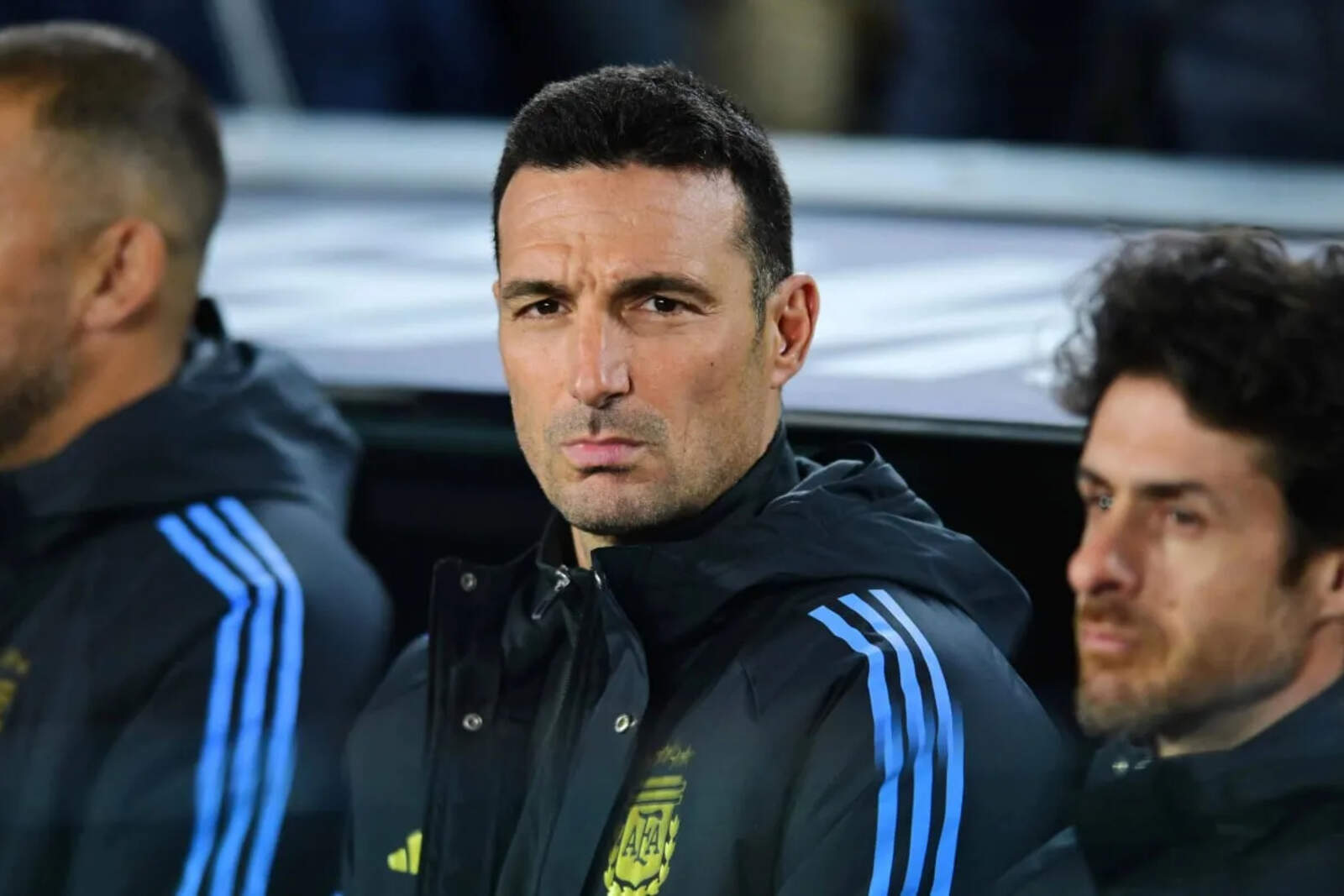
The initial plan was for the squad to remain in Alicante, Spain, until Thursday, then travel to Luanda to play the friendly, and return to Iberian territory to continue training until the middle of the following week. Everything changed at the last minute: Lionel Scaloni, with no possibility or responsibility to add a second match, decided to interrupt the tour and release the players after the match.
A Scaloni no le quedó otra que liberar a los jugadores
This way, the National Team not only loses training days but also the chance to adjust pieces and test alternatives ahead of the 2026 World Cup. The list includes players seeking to earn a spot at the World Cup, such as Valentín Barco, Máximo Perrone, or José Manuel López, but the window for evaluation will be minimal.
The inevitable question is why the AFA, with the prestige the world champion currently holds, couldn't secure a more competitive and coherent schedule. The lack of management in choosing opponents is recurring: after failed negotiations with European and Asian teams, the only viable option ended up being Angola, a team with no international weight that hasn't qualified for a World Cup since 2006.
Thus, while other teams take advantage of the FIFA window to consolidate ideas and measure their level against powerhouses, Argentina will end the year without a challenging opponent or relevant footballing conclusions. Scaloni's team remains competitive due to individual talent and quality, but the AFA leadership once again falls short in management and planning.