The discovery at Vichama reflects the religious and agricultural symbolism of the Caral civilization
Compartir:
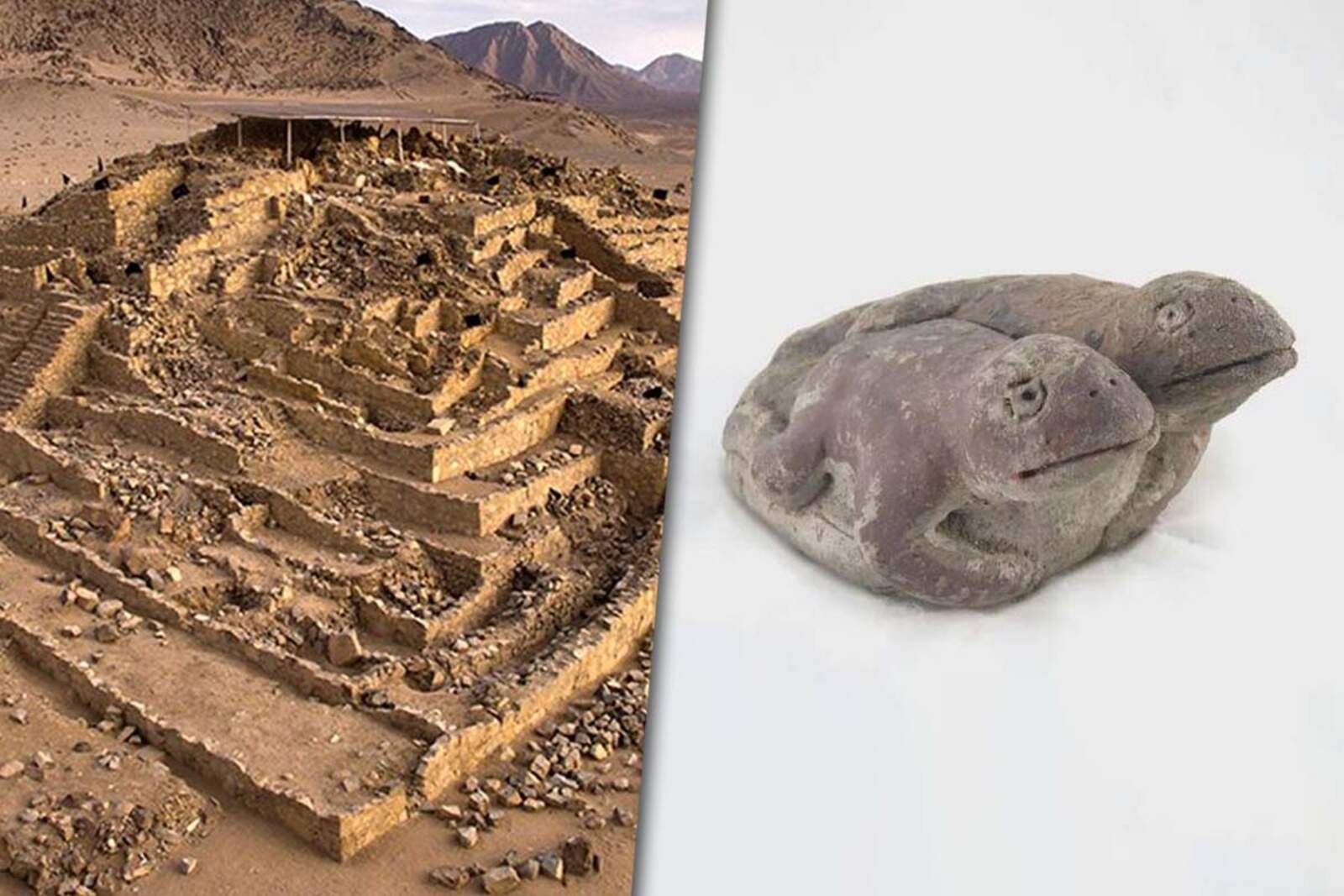
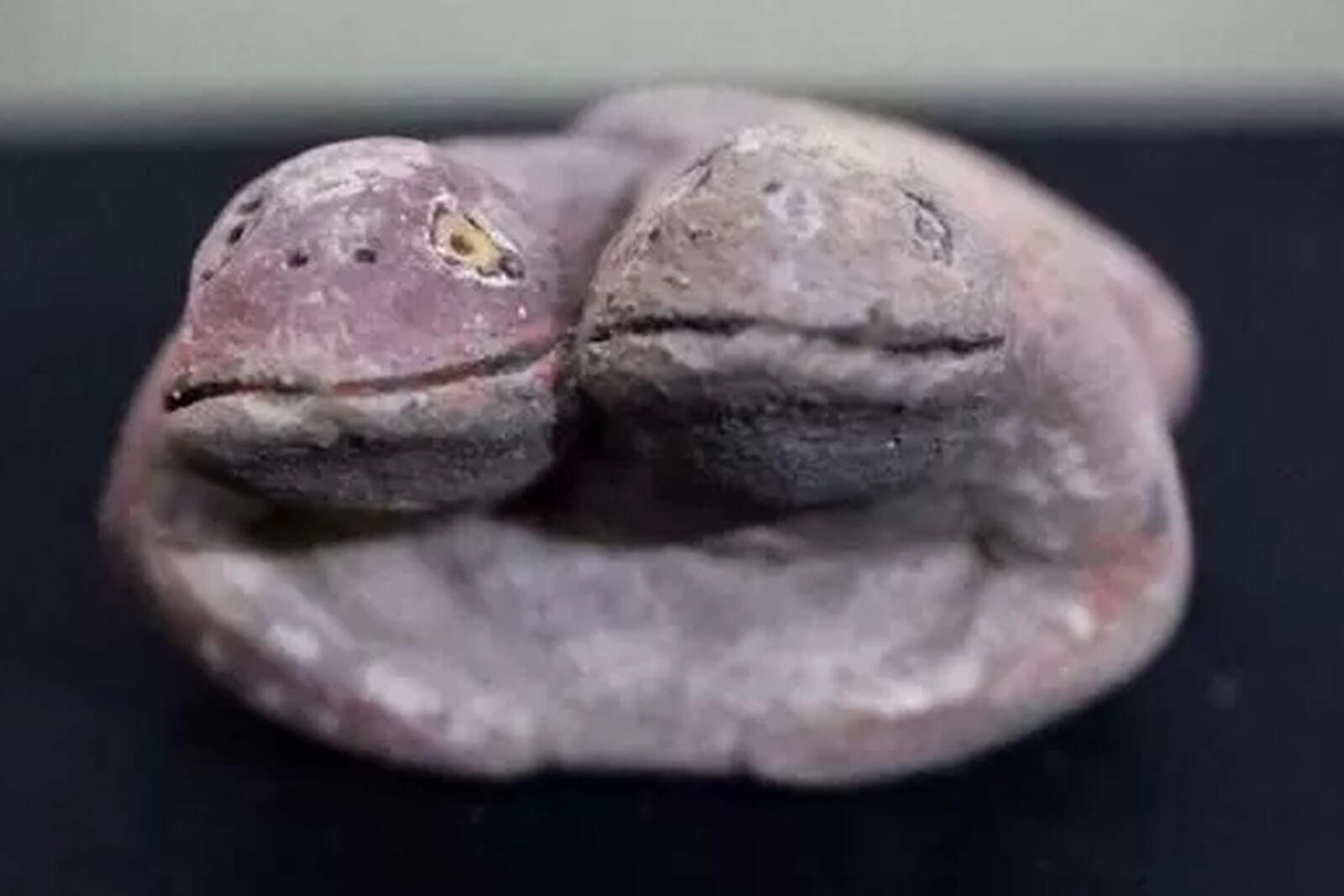
An archaeological discovery in Peru once again brings the Caral civilization to the forefront, considered the first great organized society in the Americas. Researchers found a small clay sculpture over 3,500 years old that depicts two frogs joined by their hind legs.
The discovery, made in the Huaura Valley, north of Lima, is not just an artistic display. According to specialists, it reflects a deep religious and agricultural symbolism in one of the continent's oldest cultures.
Investigadores encontraron una pequeña escultura de arcilla de más de 3.500 años
The meaning of frogs in Caral
For Caral's agricultural communities, frogs symbolized water and fertility, vital elements in an environment where harvests determined survival. Archaeologists indicate that the piece may have been used in ceremonies to invoke rain or celebrate cycles of abundance.
This finding confirms that religion and agriculture were closely intertwined in the daily life of the Caral civilization. It developed between 3000 and 1800 BC, in parallel with Egypt, Mesopotamia, India, and China, but in isolation.
Vichama, the site of the discovery
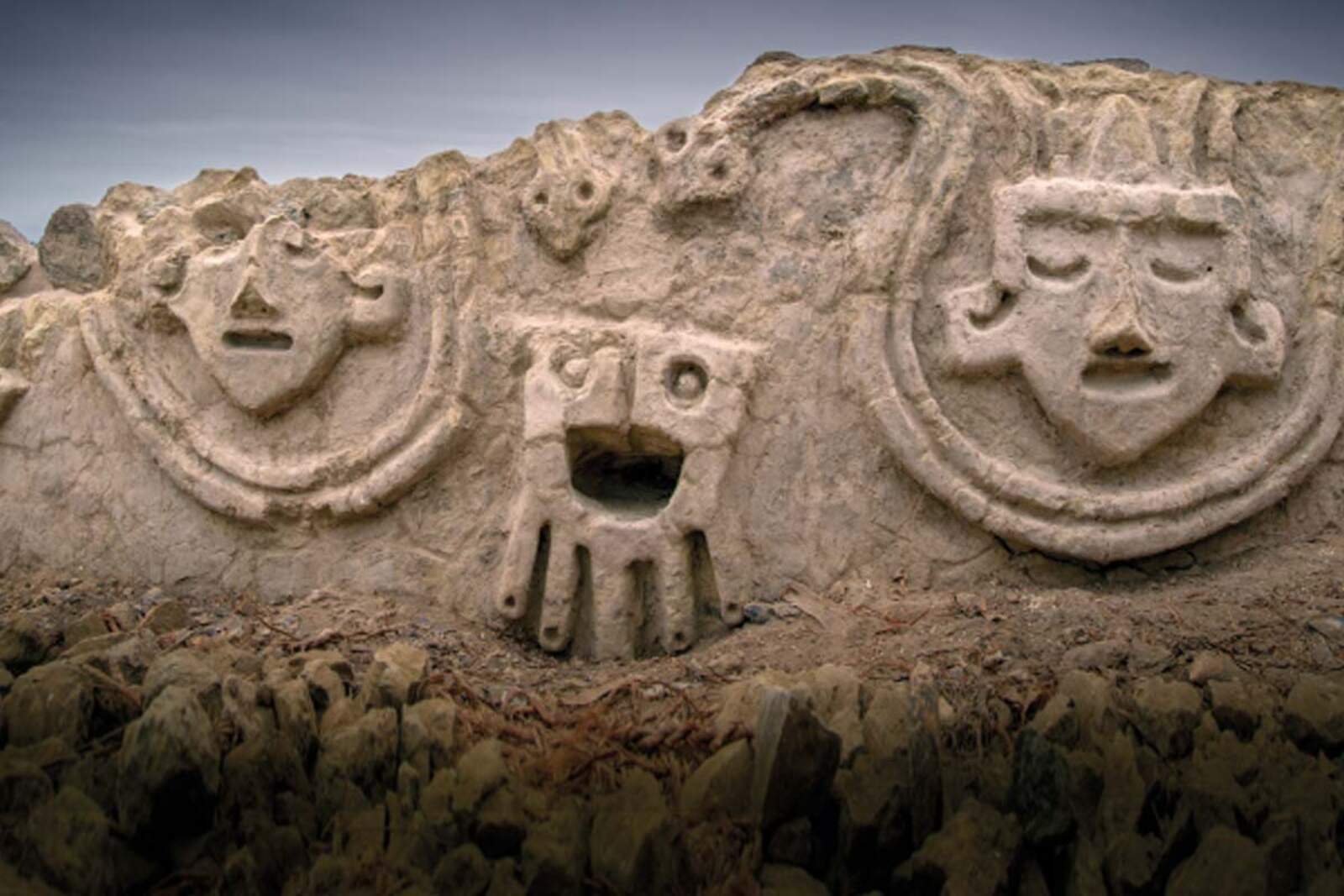
The sculpture was found at the Vichama archaeological site, where for almost two decades at least 28 structures have been identified, including ceremonial plazas, dwellings, and public buildings.
La escultura fue encontrada en el sitio arqueológico de Vichama
Among the most striking findings are miniature models of buildings. This indicates that the Caral people practiced some form of urban planning to organize their community life and optimize resources.
A legacy that remains relevant
Archaeologist Ruth Shady, director of the Archaeological Zone, emphasizes that these investigations show how ancient cultures also faced environmental crises and knew how to adapt. Their artistic expressions, such as the frog sculpture, are a reminder of the essential relationship between humanity and nature.