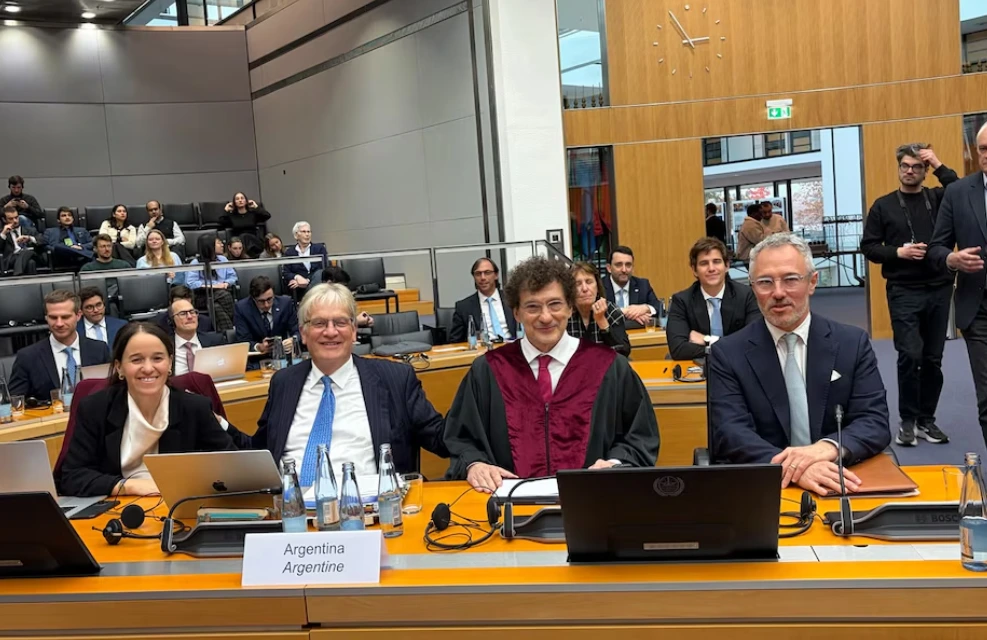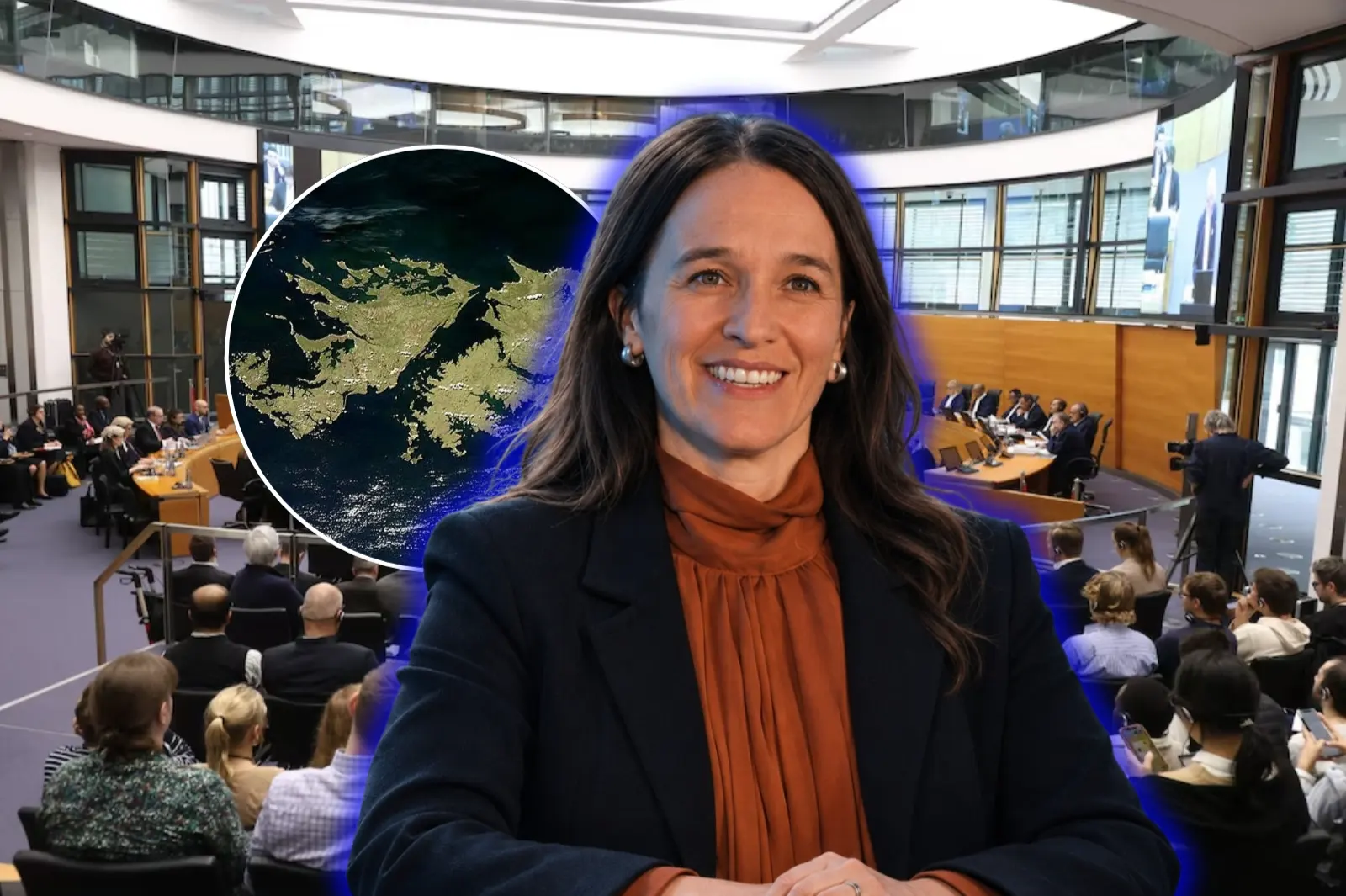

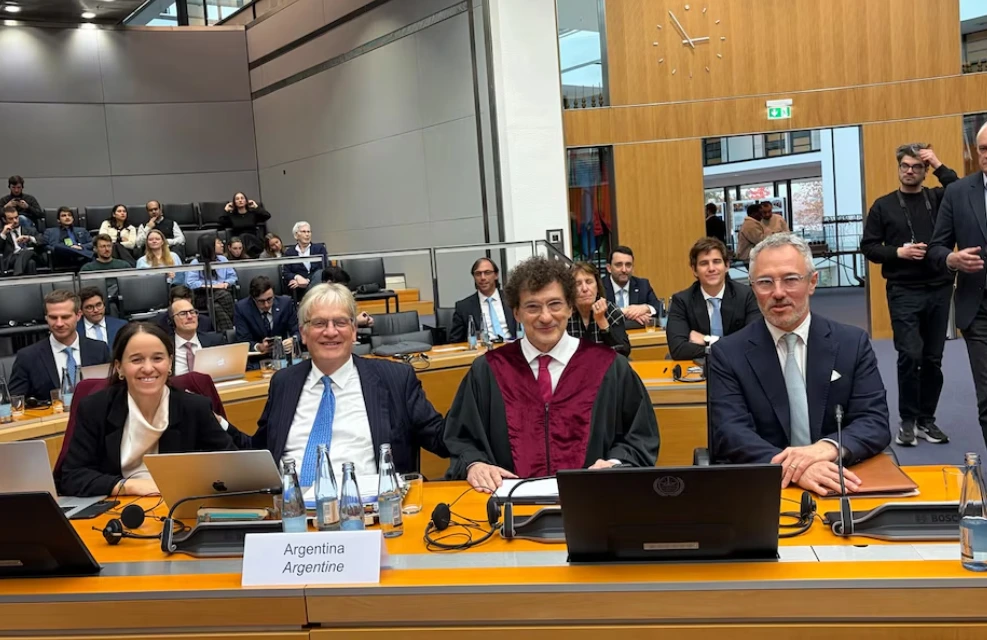
Argentina and the United Kingdom concluded their presentations before the International Tribunal for the Law of the Sea (ITLOS) on Wednesday in Hamburg, Germany, regarding British oil exploitation in the Falkland Islands. The government of Javier Milei seeks to have the international body order the suspension of the Sea Lion project, an initiative for hydrocarbon extraction that encroaches on an area historically claimed by our country.
The second and final day of hearings represented a key moment for Argentina's diplomatic and legal strategy. After the exchange of arguments on Tuesday, both delegations had a new opportunity to defend their positions before the judges began deliberating.
The decision could be known on Friday, November 13, when the estimated deadline for resolving the request for provisional measures expires, although there is also the possibility that the tribunal may delay its ruling until the following week. The date has not yet been officially confirmed by the body.
The Argentine request aims to prevent the United Kingdom from continuing to exploit natural resources in an area subject to a sovereignty dispute. The goal is to avoid the consolidation of facts on resources that Argentina considers its own before the conflict is resolved through the appropriate legal channels.
The Argentine claim to halt British oil exploitation
During the hearings, the Argentine representation argued that the development of Sea Lion is incompatible with the obligations established in the United Nations Convention on the Law of the Sea (UNCLOS), especially since it concerns a maritime area embroiled in a dispute between both countries.
Buenos Aires requested provisional measures to ensure that the United Kingdom prevents the initiation or continuation of hydrocarbon exploitation activities while the arbitral tribunal is established to intervene in the underlying controversy.
One of the main Argentine arguments is that oil extraction constitutes an activity on non-renewable resources that could generate irreversible consequences. Environmental risks related to potential spills and difficulties in responding to possible accidents in the South Atlantic were also raised.
The United Kingdom rejected the request and questioned the jurisdiction of the Tribunal of the Sea to intervene. London defended the oil activities and stated that drilling would not begin before March 21, 2027, while effective production is expected for 2028.
However, for Argentina, allowing the project to advance without restrictions could harm the rights it seeks to protect during the arbitration process.
The delegation of Javier Milei and Argentine legal support
President Javier Milei closely followed the hearings from Buenos Aires and expressed his satisfaction with the work done by the government in defending national interests.
According to reports, the president shared a message with members of his cabinet in which he emphasized: "We have worked on the issues of the Falklands like no one in history."
The Argentine delegation was led by Mario Oyarzábal, the country's agent before the tribunal, along with María Ibarzábal Murphy, legal and technical secretary of the Presidency, and Ambassador Bettina Pasquali de Fonseca, Argentina's representative in Germany.
Officials from the Foreign Ministry, the Ministry of Economy, and the National Treasury Attorney's Office also participated, along with international specialists in maritime law and sovereignty over natural resources, including Nico Schrijver, Marcelo Kohen, and Agustín Giustiniani.