Before the meeting, Colombia, Brazil, Chile, Mexico, Uruguay, and Spain had released a critical statement against President Donald Trump's operation. On the other side, the countries that blocked the condemnation are now moving forward with drafting their own text to support the arrest of the Chavista leader and to highlight the dictatorial nature of the Venezuelan regime.
The emergency meeting of the Community of Latin American and Caribbean States (CELAC) ended this Sunday in a resounding political failure for the governments aligned with the Bolivarian axis. Convened by Colombian President Gustavo Petro, the meeting didn't achieve consensus to issue a joint condemnation of the capture of Venezuelan dictator Nicolás Maduro by the United States.
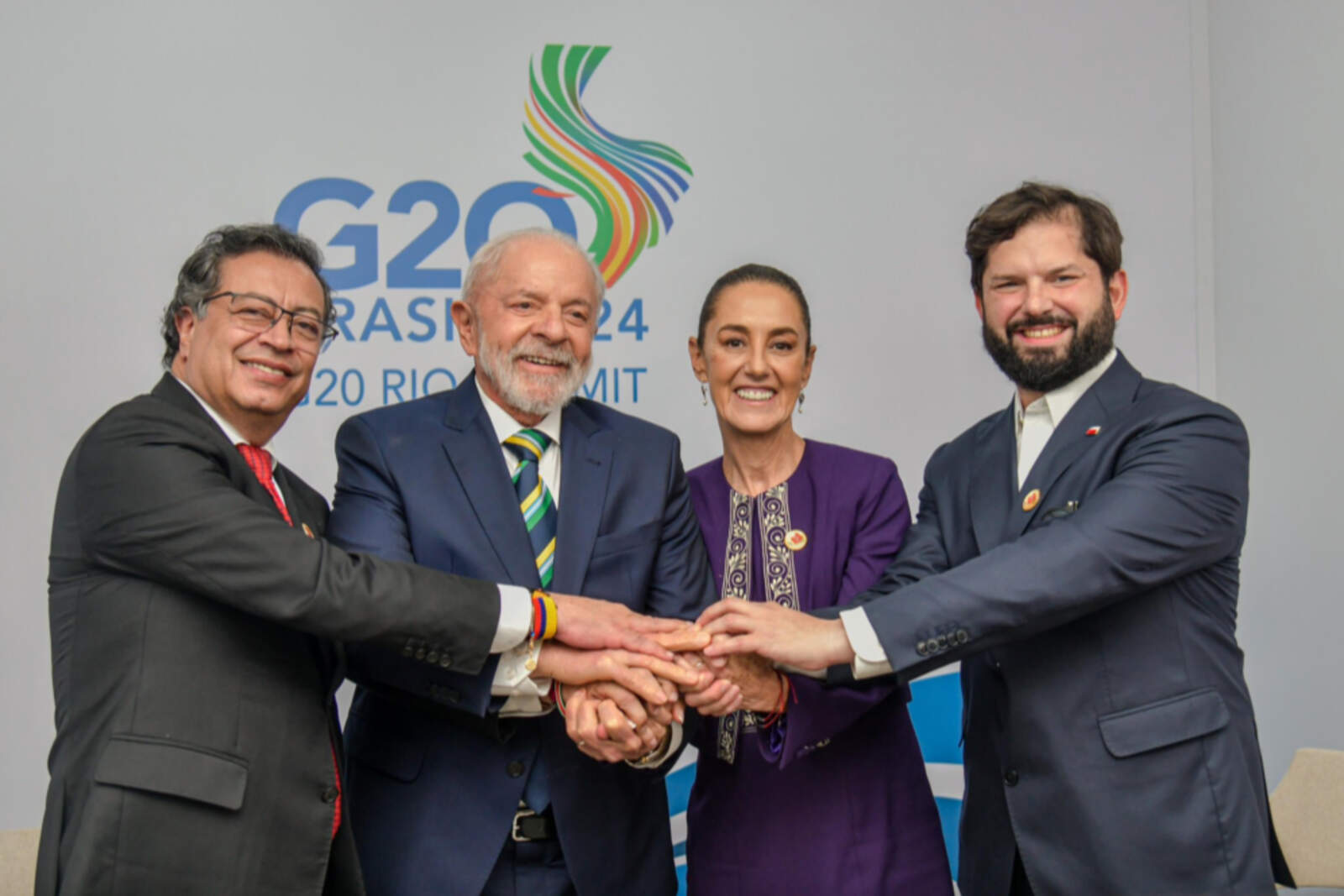
Argentina led a bloc of ten countries that rejected the initiative promoted by Petro, with the support of Brazilian President Lula da Silva and Mexican President Claudia Sheinbaum. The lack of unanimity prevented any official statement, exposing the deep political fracture that the region is experiencing today.
Líderes comunistas de la región intentaron avanzar en la condena a la detención del dictador.
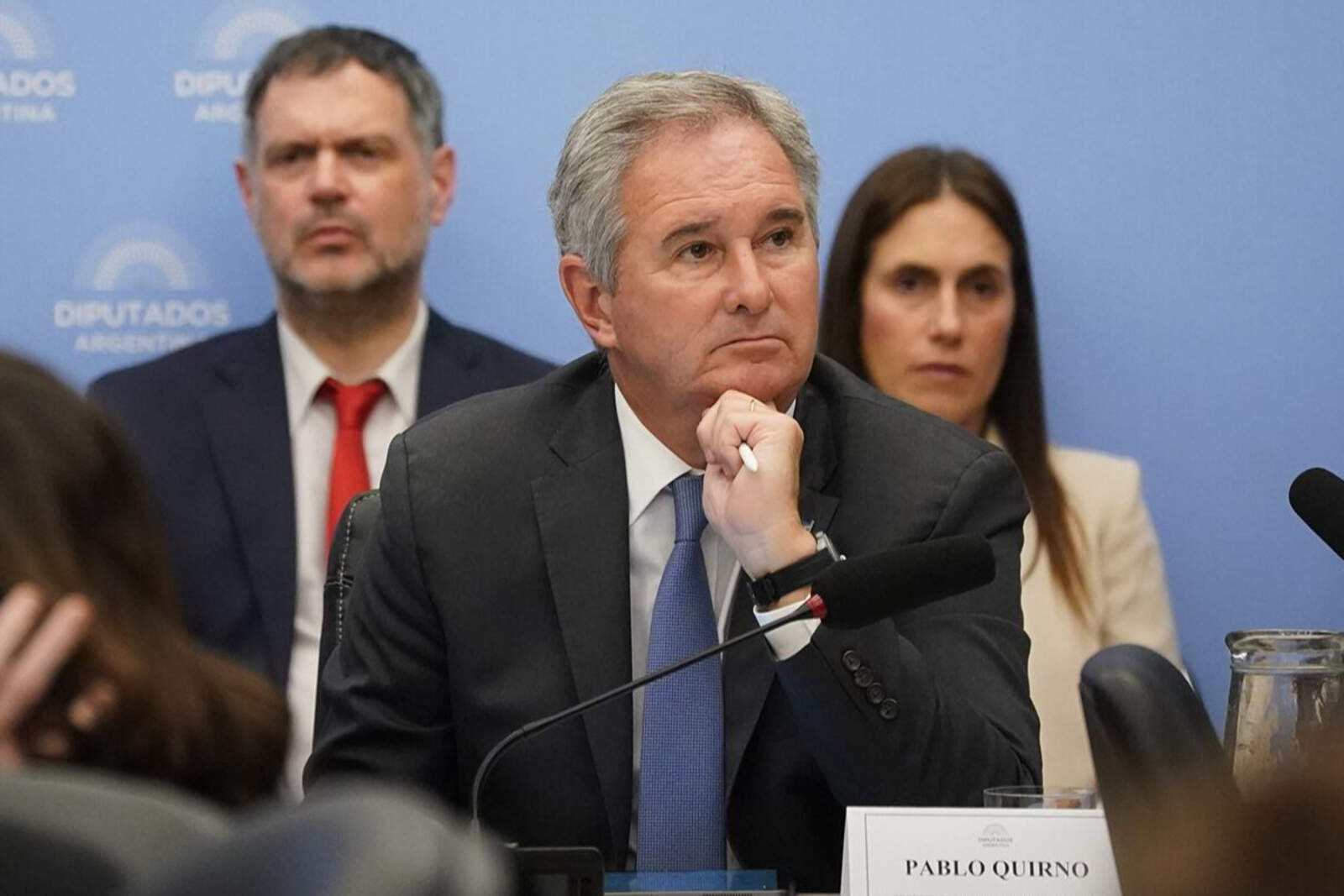
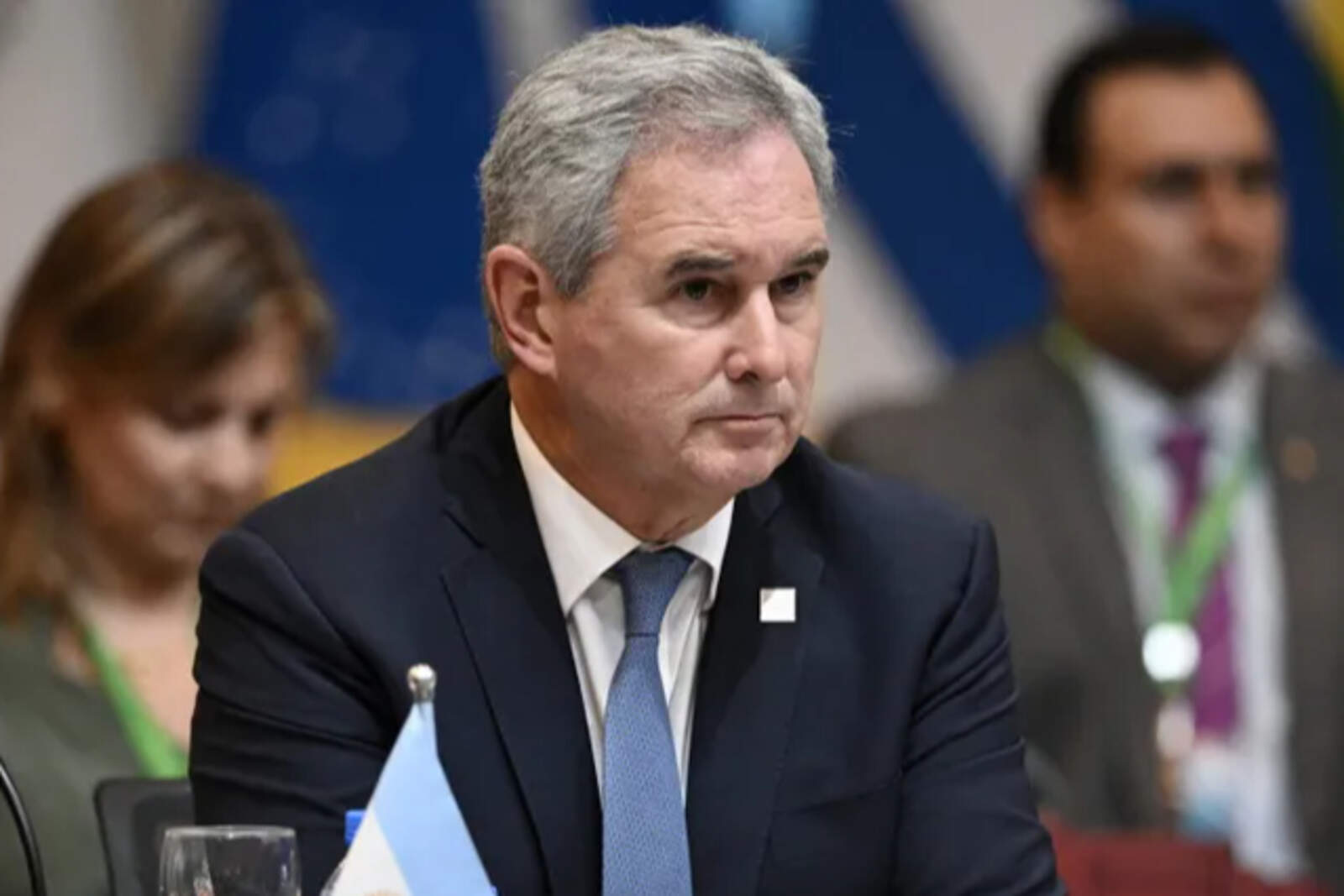
The role of Argentine Foreign Minister Pablo Quirno was decisive. Under instructions from President Javier Milei, Argentine diplomacy articulated a firm position together with Paraguay, Peru, Bolivia, Costa Rica, Ecuador, El Salvador, Panama, the Dominican Republic, and Trinidad and Tobago. As an unequivocal political signal, several of these countries sent low-ranking diplomatic representatives to the virtual meeting.
The objective of the sector that promoted the meeting was to condemn the U.S. military intervention that allowed the arrest of Maduro and his wife, who are now imprisoned in New York and at the disposal of the U.S. justice system on charges linked to transnational narco-terrorism. However, for the bloc led by Argentina, it wasn't an illegitimate act of aggression, but rather an action against a regime accused of systematic human rights violations.
The regional division was also reflected in other countries. In Chile, President Gabriel Boric joined the criticism of Washington, while his elected successor, José Antonio Kast, celebrated Maduro's capture as a "great piece of news for Latin America." In Honduras, President Xiomara Castro strongly questioned the operation, but the political space of her replacement expressed explicit support for the U.S. action.
Pablo Quirno, canciller argentino.
The fracture had already become evident at the last Mercosur summit, where Lula rejected any military intervention, while Milei maintained his unwavering support for the United States to put an end to the Chavista regime.
Latin America no longer responds as a bloc to the ideological reflexes of the past. With Argentina at the forefront, a new regional axis is beginning to draw clear lines in the sand against dictatorships and against the political relativism that for years shielded narco-Chavismo.