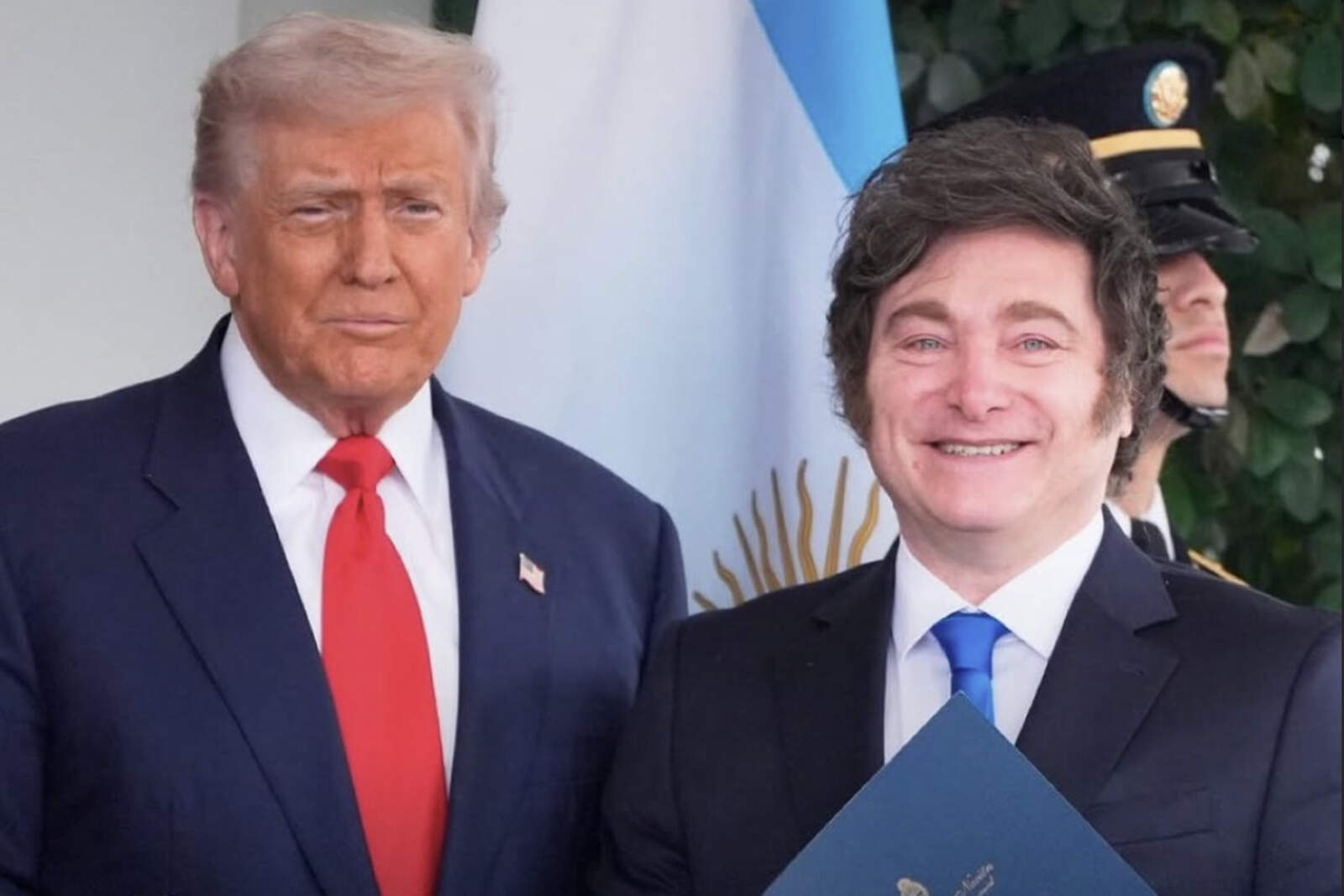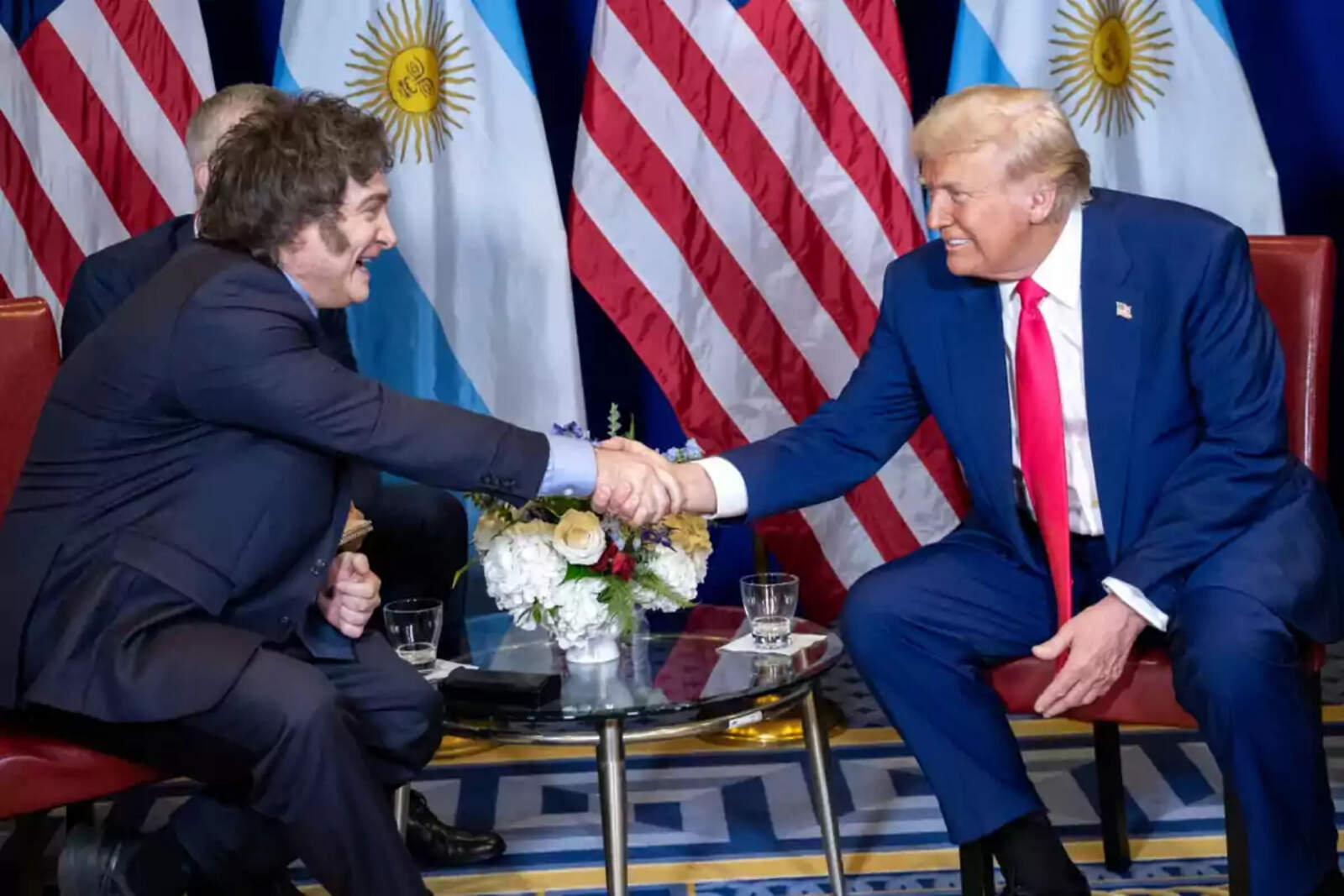

The news of the week is clear: Argentina has returned to the world stage, and it has done so in grand fashion. On the international front, Javier Milei has blown up decades of isolation and restored to the country a regional and global leadership that seemed lost forever. No one disputes it anymore: as Christopher Landau, Deputy Secretary of State in Donald Trump's administration, stated, the Argentine President is a "hemispheric rockstar," a figure capable of repositioning Argentina at the center of the international stage.
The decadent narrative of the "president who travels just to take pictures" is over. Today, Milei begs for nothing: he signs agreements, opens markets, forges strategic alliances, and restores respect to a nation that populism had reduced to irrelevance. The proof is the historic trade agreement between Argentina and the United States, an alliance that includes tariff reductions, agricultural opening, technological cooperation, integration in critical minerals, and alignment in economic security. The message to the world—and to the local political class that still doesn't understand it—admits no double meaning: Argentina is back in the big leagues and has no intention of stepping back.
Meanwhile, as the country repositions itself abroad, extraordinary things are also happening at home that the spokespeople for failure try to hide. Annual inflation has fallen for 18 consecutive months, and 2025 will close with a figure close to 30% (compared to the 211% left by Kirchnerism in 2023). The same people who shouted "savage adjustment" are now silent in the face of the collapse of the apocalyptic narrative. The fiscal surplus is here to stay, and it is the best social policy imaginable: protecting the value of money without punishing production.
Country risk has returned to values not seen since January. Bonds have risen, stocks have jumped up to 11%, and the dollar has stabilized. The panic deliberately instilled by politics has already passed. When intervention in what people do best on their own ceases, the economy finds its natural balance. It is not magic: it is the order that arises when each individual's freedom to decide, create, and coordinate is respected.
The agricultural sector, which Kirchnerism hated, persecuted, and squeezed, is now experiencing a historic renaissance. The sunflower harvest will reach 5.1 million tons, with exports totaling 2.1 billion dollars. Wheat has broken all records: 24.5 million tons, the highest production in history. The agribusiness sector will liquidate 37 billion dollars this year. It does so without subsidies or decrees: it does so because millions of producers, guided by their own knowledge, discover new ways to generate value every day.