A historic harvest combined with a highly favorable context could generate record foreign currency income
Nuevo
Agregar La Derecha Diario en
Compartir:
The crop season in the agricultural sector is progressing with results that already allow talk of the largest wheat harvest in the country's history, a performance that not only strengthens the countryside but also has a direct impact on the entire economic activity, due to the sector's strong interconnection with the rest of the productive chains.
A few months ago, when the traditional auction of the first wheat lot was held at the Buenos Aires Grain Exchange, projections were optimistic but still cautious.
At that time, production was estimated to be close to 22 million tons and a primary gross value of 4.665 billion dollars, which represented a 9.8% increase compared to the previous season and already marked a historic record. However, the actual progress of the harvest far exceeded those initial forecasts.
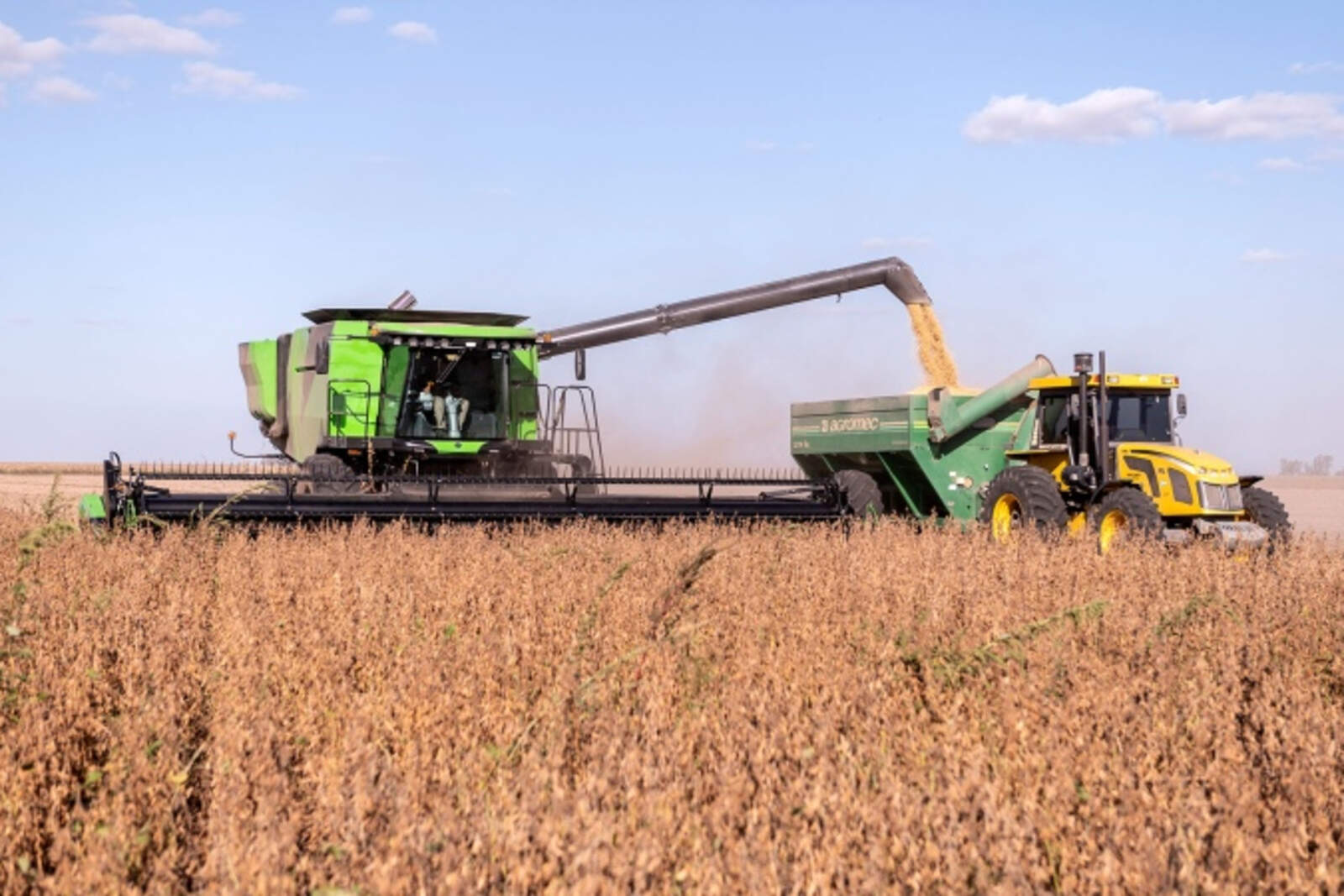
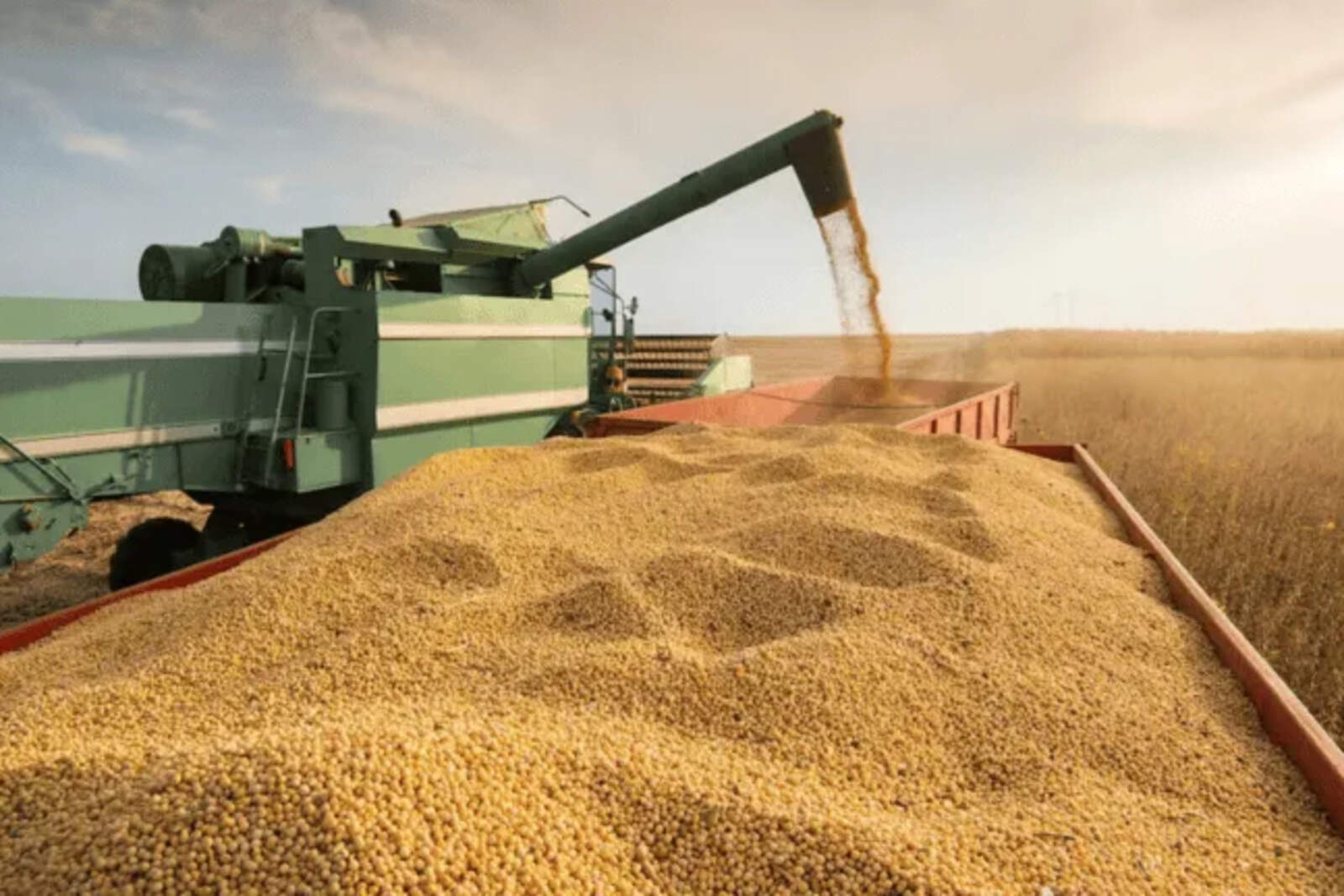
The first threshings, which began in the north of the country, were surprising due to their yields. In provinces such as Salta, Chaco, and Santiago del Estero, where wheat is usually sown more as a cover crop than for productive purposes, rainfall played a decisive role.
El campo argentino.
As the harvesters moved toward the center of the country, the results became consolidated. In the agricultural core of the humid pampas, which covers the Rosario-Córdoba axis and northern Buenos Aires, average yields far exceeded the usual records, which in recent years ranged between 4 and 5 tons per hectare. This season, the average exceeds 6 tons, with numerous lots approaching 10.
With still about half of the area left to harvest, including traditionally wheat-producing regions in southern Buenos Aires and La Pampa, the Rosario Board of Trade updated its estimates and now projects a production of 27.7 million tons, 20% more than the initial calculation.
The fine harvest
This also implies a significant jump in terms of foreign currency: wheat alone will contribute around 3 billion dollars from exports, about 800 million more than originally expected.
Barley, the second most important crop within the so-called "fine harvest," also shows solid performance. Production is expected to reach 5.2 million tons, which would generate additional income of about 1 billion dollars. These figures are joined by crops still on a smaller scale but with great potential, such as canola, camelina, and carinata, oilseeds whose demand is growing alongside the development of biofuels for aviation.
Altogether, the fine harvest will contribute about 4 billion dollars at a key moment. In this context, the Government of Javier Milei moved forward with a reduction in export duties, aiming to boost production and eventually offset the lower tax percentage.
El campo argentino.
The coarse harvest
With attention now focused on the "coarse harvest," the outlook is also favorable. Soybeans and corn show very good early establishment, with weather conditions that, so far, are supporting crop development.
If projections are confirmed, 50 million tons of soybeans and an even greater volume of corn, these two complexes could generate income close to 30 billion dollars. Adding other crops, regional economies, and animal protein exports, agriculture could contribute around 50 billion dollars in 2026.
Beyond the macroeconomic figures, agriculture's impact extends to multiple sectors. From rural contractors to input suppliers, including the fertilizer industry, logistics, and technology applied to the countryside, the benefits are distributed throughout the entire chain.
An emblematic case is Profértil, the largest nitrogen fertilizer plant in South America, which is once again a key player thanks to the growth in urea use and the potential of Vaca Muerta's gas. The recent entry of major international investors into this segment reinforces Argentine agriculture's profile as an industry with high added value and global projection.