The White House will not accept any agreement that does not involve the total cancellation of Tehran's nuclear program.
Nuevo
Agregar La Derecha Diario en
Compartir:
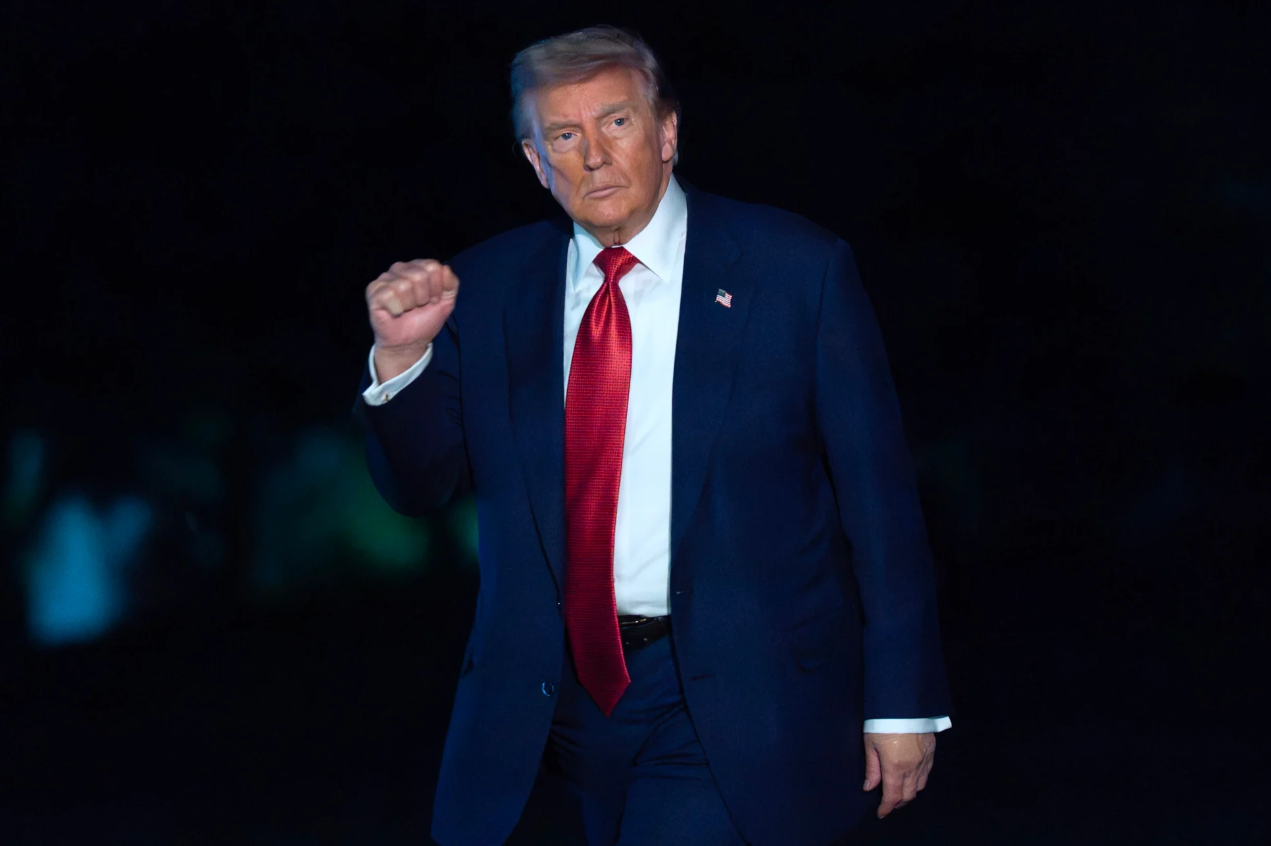
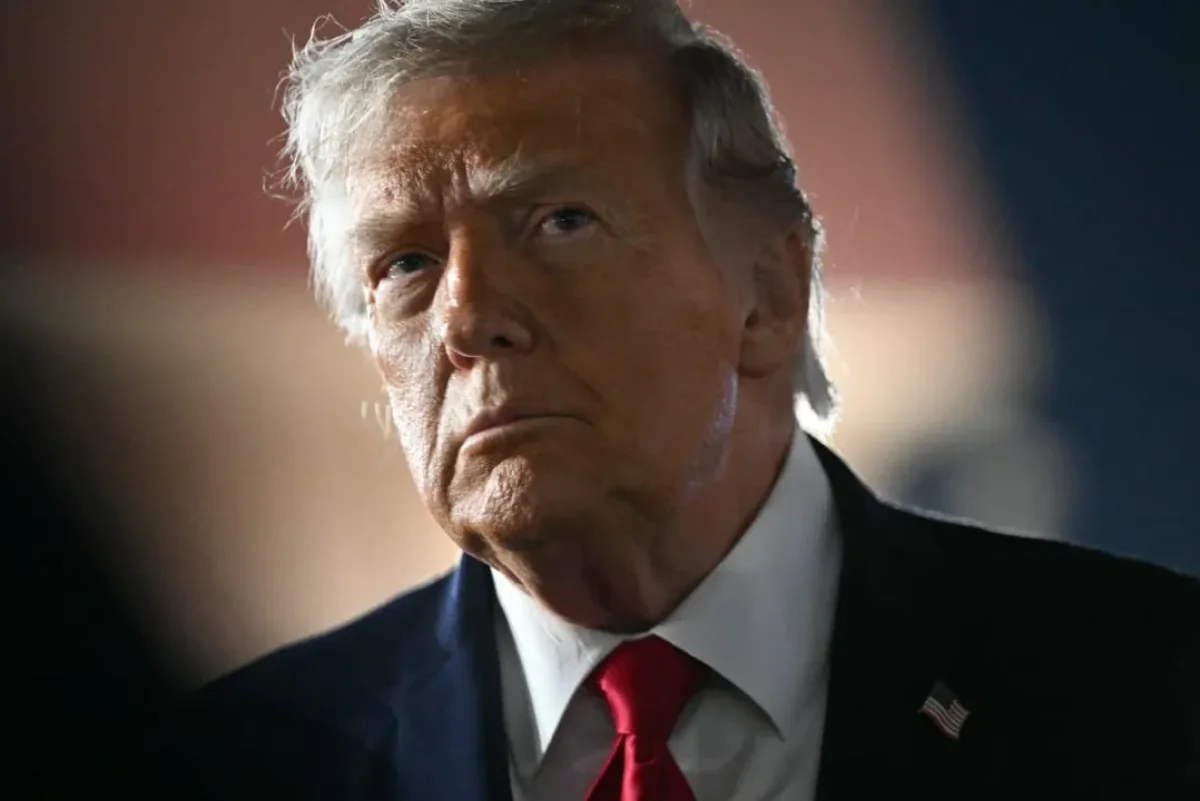
Washington's patience with Tehran seems to have run out. After weeks of stalled negotiations and rising tensions in the Middle East, U.S. President Donald Trump sharply rejected the latest Iranian proposal for a peace agreement, calling it “totally unacceptable”.
The message was brief, direct, and revealing: the White House is not willing to allow Iran to continue using diplomacy as a tool to buy time while preserving its nuclear capability intact.
The Iranian proposal demanded economic compensation for war damages, the lifting of sanctions, an end to the U.S. naval blockade, and guarantees that there would be no new attacks.
Strait of Hormuz
Additionally, Tehran insisted on maintaining its sovereignty over the strategic Strait of Hormuz, through which a vital portion of the world's oil flows. In other words, Iran aimed to obtain economic and political relief before offering real concessions regarding its nuclear program.
The U.S. response made it clear that the strategy no longer works. Trump accused the Iranian regime of “playing games” for nearly five decades and harshly criticized the more conciliatory policies of previous administrations, particularly those of Barack Obama and Joe Biden.
“They will no longer be laughing,” wrote the president, marking a stark contrast with years of concessions that, according to critics of the Iranian regime, only allowed Tehran to quietly advance towards increasingly dangerous nuclear capabilities.
The central point remains enriched uranium. According to the International Atomic Energy Agency, Iran possesses hundreds of kilograms of uranium enriched to 60%, a very short technical step from the level needed to manufacture nuclear weapons. For Washington and Jerusalem, that represents an unacceptable threat.
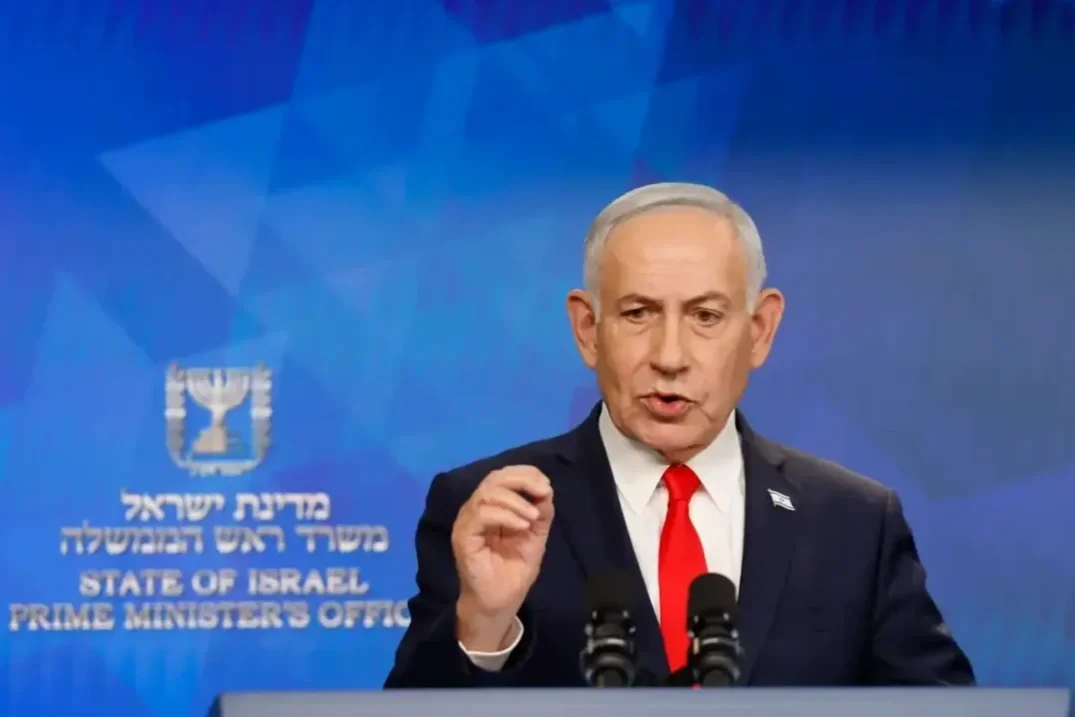
Israeli Prime Minister Benjamin Netanyahu was categorical in stating that “the war is not over” as long as that material remains within Iran. Trump, while asserting that Iran was “militarily defeated,” also left the door open for new military operations if necessary. “We can go in two more weeks and destroy all remaining targets,” he stated.
Meanwhile, Iran continues to send contradictory signals: on one hand, it talks of negotiation, and on the other, it maintains military activities and drone attacks in the region. For the United States, the conclusion seems clear: there will be no lasting agreement without a real and verifiable dismantling of Iran's nuclear capabilities.