The Iranian regime threatened on Saturday to continue its attacks against U.S. interests in the Middle East until achieving the "total surrender of the enemy," in a new escalation of tensions with Washington as President Donald Trump claims that talks between the two countries continue despite military confrontations.
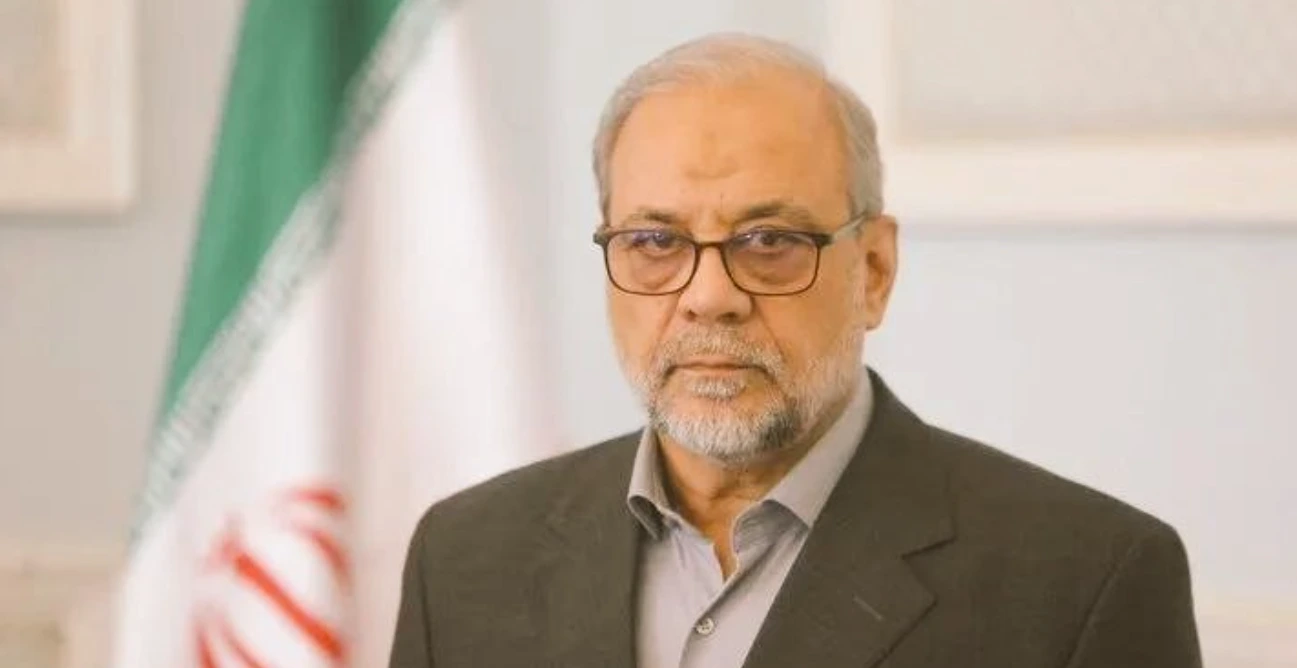
The statements were made by Mohamad Baqer Zolqadr, secretary of Iran's Supreme National Security Council, who disseminated a message through the Tasnim agency. The official stated that attacks against U.S. targets will continue as a response to military operations carried out during the conflict.
"The continuous and selective attacks by our fighters are the lashes of the anger of the Iranian people, which fall upon the system of domination and will continue, with God's help, until the total surrender of the enemy," Zolqadr declared.
The authorities of the Iranian terrorist regime have once again issued threats against the U.S. armed forces in the Middle East
The official, who took office after the death of Ali Larijani in Israeli-American bombings, justified the Iranian offensives by appealing to the victims of the war. He claimed that attacks against U.S. targets in various Middle Eastern countries will continue until "the blood of innocent children" is avenged.
Zolqadr mentioned among the victims the 168 minors who, according to Iranian regime authorities, died in an attack on a primary school in Minab on the first day of the war initiated by Israel and the United States on February 28.
In a statement that reflects the narrative used by the regime to justify its offensive, the official asserted that "every column of smoke in the region means that a military, security, or financial center of the United States has been hit."
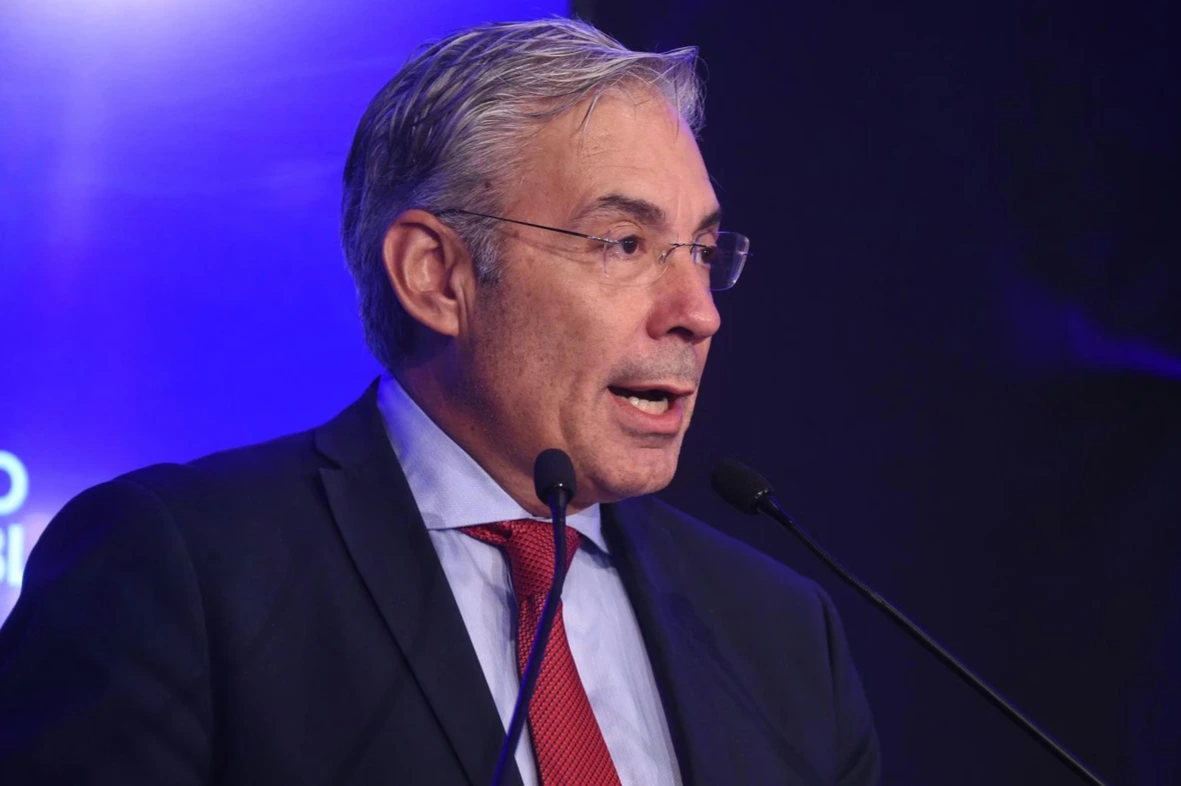
Zolqadr is the replacement for the former president of the Iranian parliament, Ali Larijani
The escalation comes after two weeks of new confrontations between Iran and the United States. The crisis worsened after Trump announced the end of a ceasefire following Iranian attacks on commercial vessels in the Strait of Hormuz, one of the main maritime routes for global energy transport.
Since then, the United States has conducted strategic attacks against Iranian territory, mainly in the south of the country, while Tehran responded with missile and drone launches against U.S. targets in countries like Bahrain, Kuwait, and Jordan.
The violence has already caused new military casualties. Four U.S. soldiers died during the recent escalation, raising the total number of U.S. military fatalities to 18 since the conflict began. On the Iranian side, approximately 55 deaths have been reported during the confrontations recorded in July.
Despite the continuation of military operations, Trump stated that Washington is maintaining talks with Tehran. The U.S. president, however, expressed doubts about the Iranian regime's willingness to reach a definitive agreement and asserted that, in his view, they are still "not ready" to move towards peace.
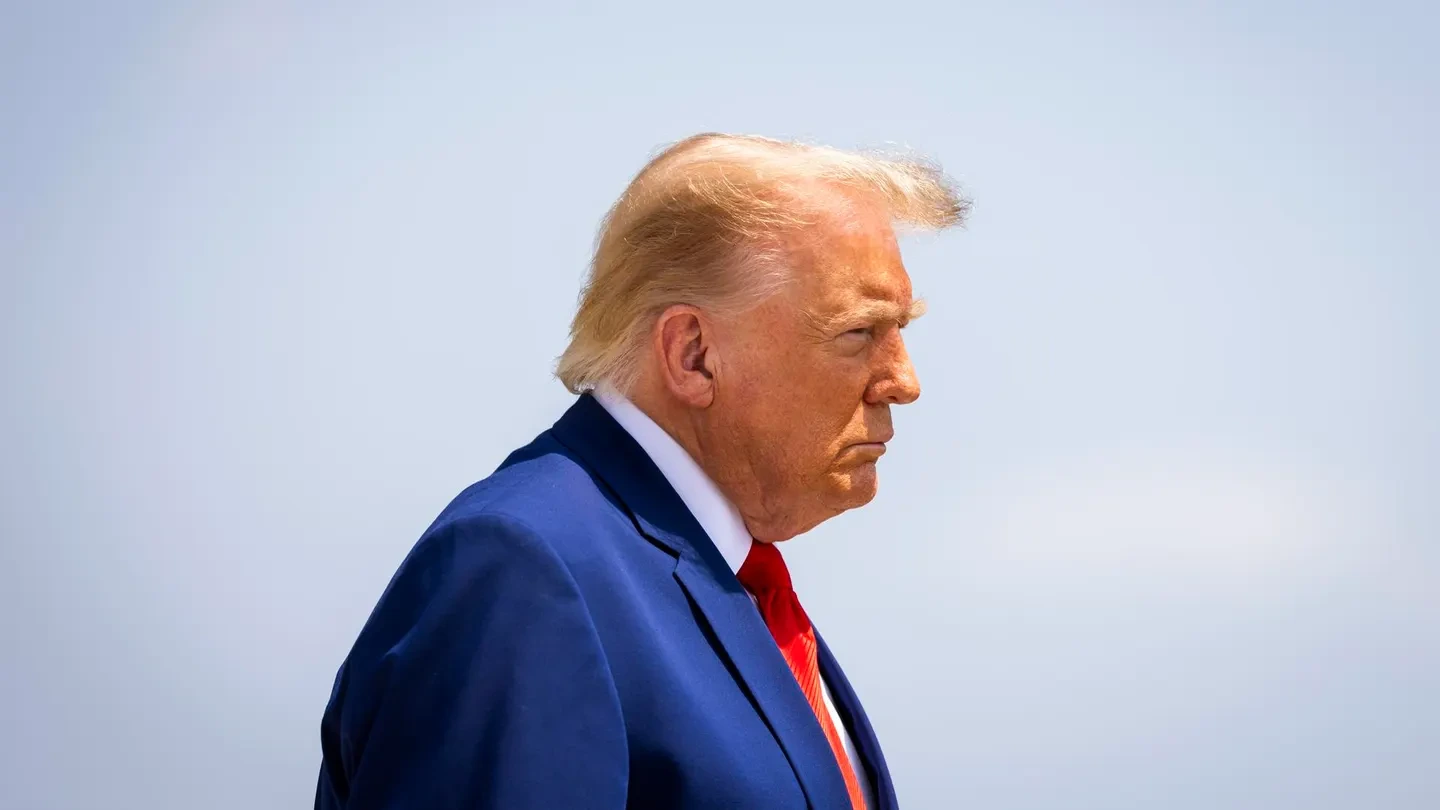
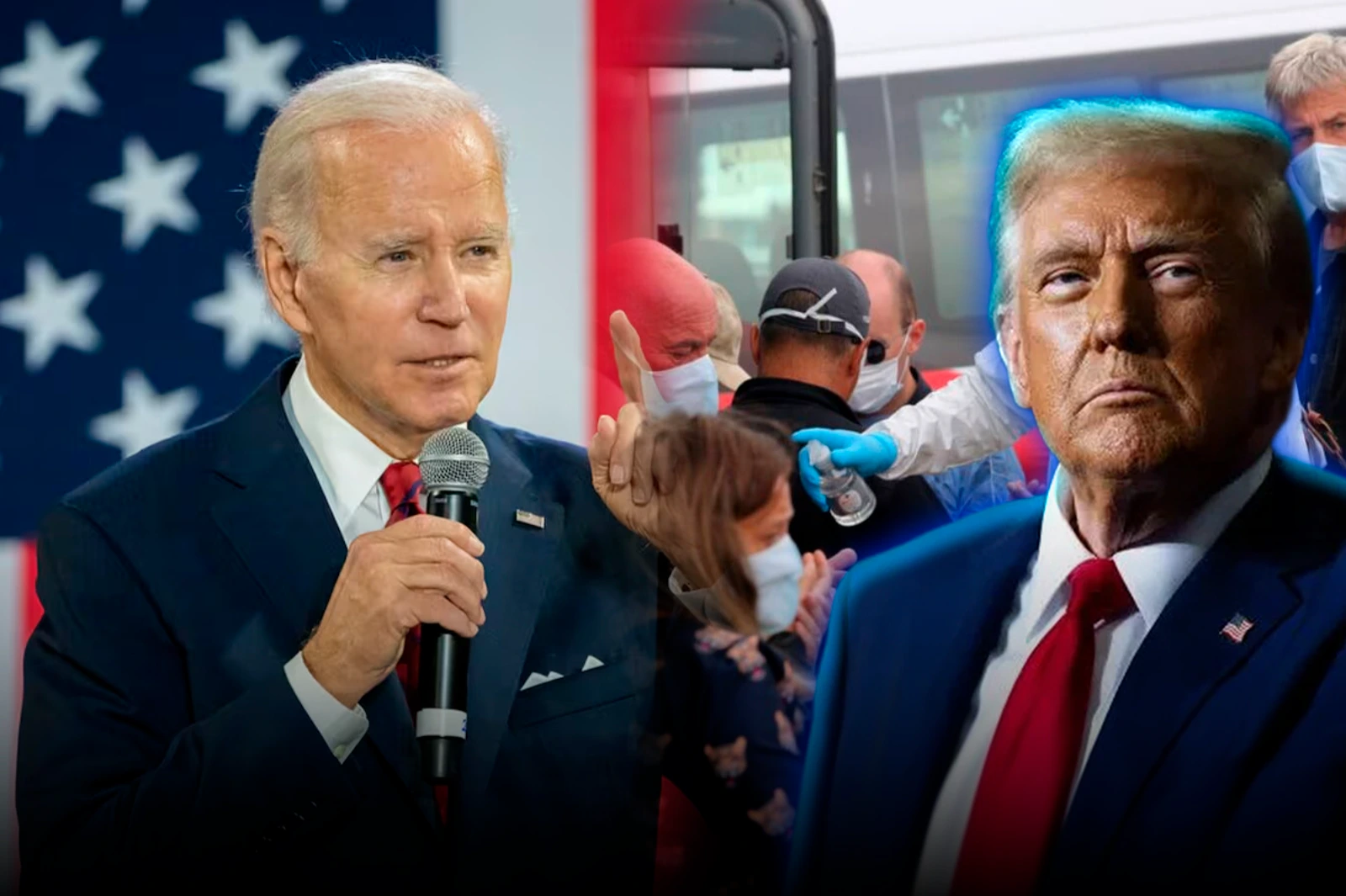
President Donald Trump expressed some doubts about the Iranian regime's willingness to reach a diplomatic solution
Trump also declared that he is considering launching a "massive attack" against the Islamic dictatorship, a warning that increases pressure on the ayatollah regime as diplomatic efforts continue.
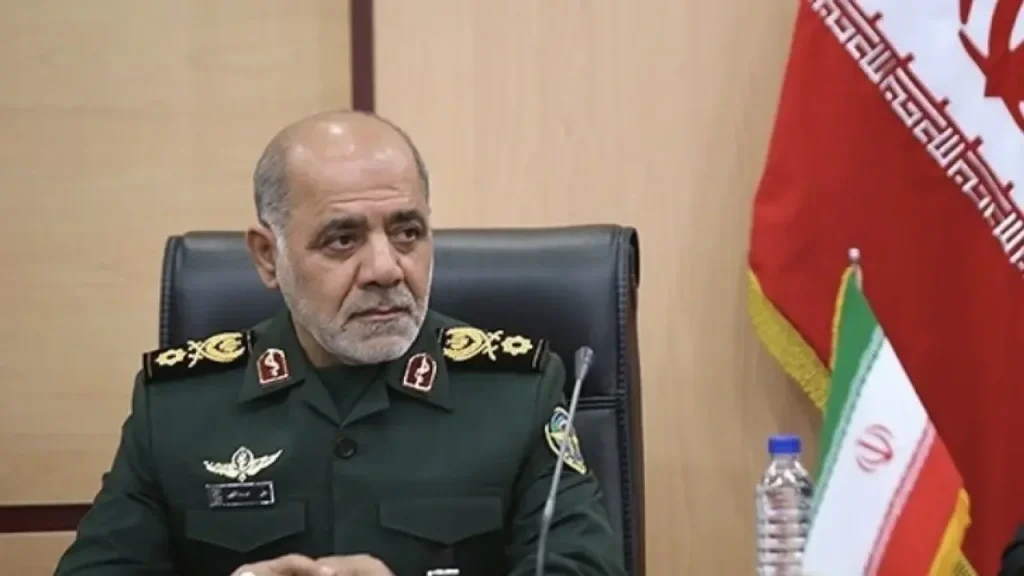
In parallel, Iranian military authorities issued new threats against U.S. forces. Ali Abdollahi, commander of the Khatam al-Anbiya Central Headquarters, stated that Tehran has established a new "equation" on the battlefield: for every Iranian citizen killed during the war, a U.S. soldier must pay with his life.
"Now we consider a definitive and declared equation on the battlefield that for every proud Iranian citizen martyred, a U.S. force will be sent to hell," the general stated in a message disseminated by the state agency IRNA.
Abdollahi also directly threatened the troops of the U.S. Central Command (CENTCOM), who are participating in military operations in the region. The Iranian commander accused U.S. forces of maintaining a blockade against Iran's ports amid Tehran's de facto closure of the Strait of Hormuz and claimed that his troops had "one-way tickets to hell" ready for U.S. military personnel.
The armed forces of the Islamic dictatorship issued threats against the United States Central Command
During the night of Friday and the early hours of Saturday, CENTCOM did not report a new wave of attacks against Iranian territory, after 13 consecutive nights of operations targeting military infrastructure.
The increasing belligerent rhetoric of the Iranian regime contrasts with the possibility of a diplomatic exit that Trump keeps open. While Tehran threatens to prolong its attacks and promises to avenge every casualty suffered, Washington continues to evaluate both negotiations and new military options.
The main point of conflict remains Iran's nuclear program. Trump has made it clear that any agreement must prevent the dictatorship from obtaining a nuclear weapon, while threats from high-ranking Iranian officials increase the risk of a new escalation.
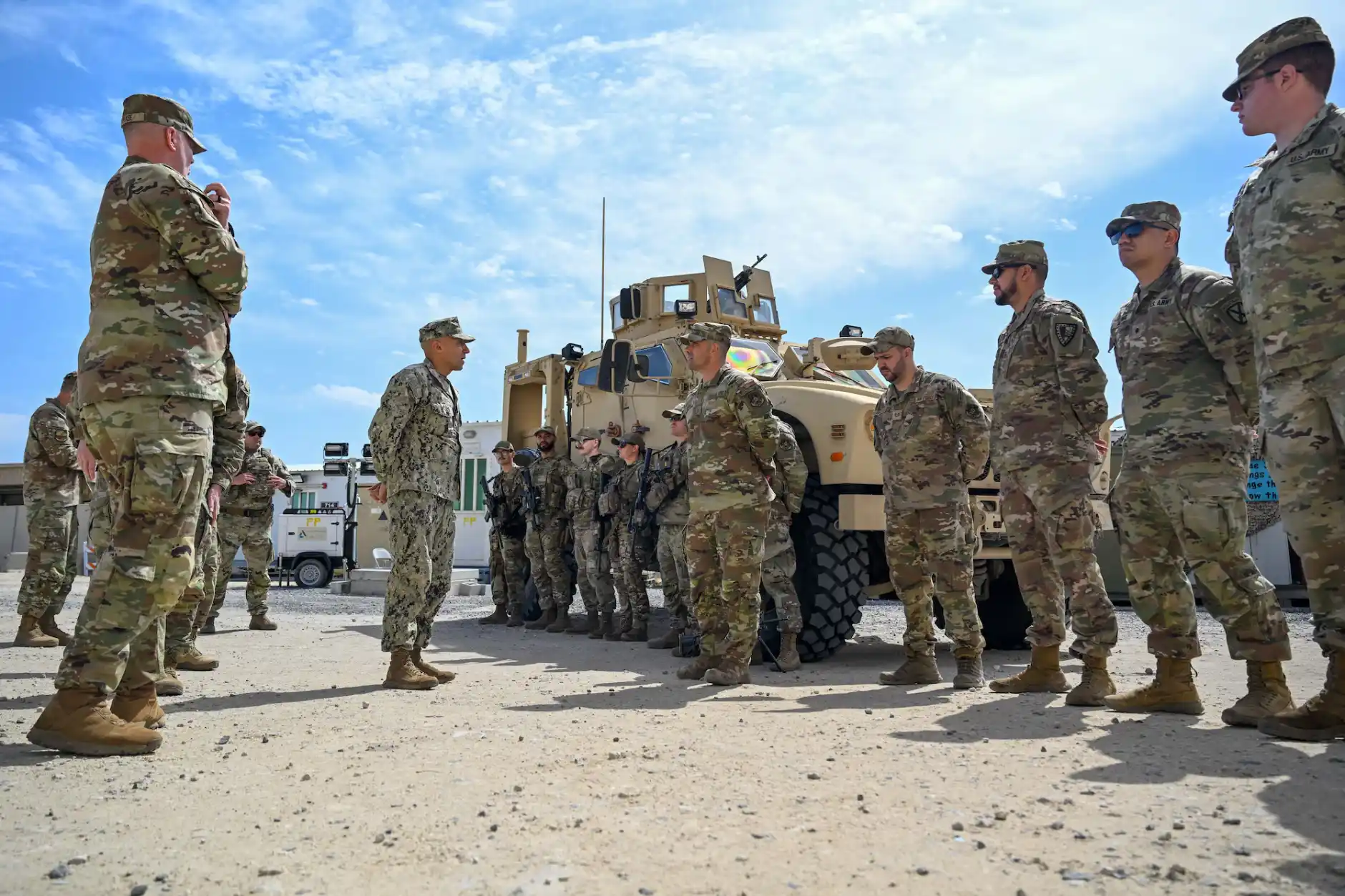
The U.S. forces stationed in the Middle East have not reported any new attacks from Iran in recent days