NASAis going through a decisive moment. Delays and the complexity of the Artemis program have forced a review of the entire mission architecture that must once again take astronauts to the Moon.
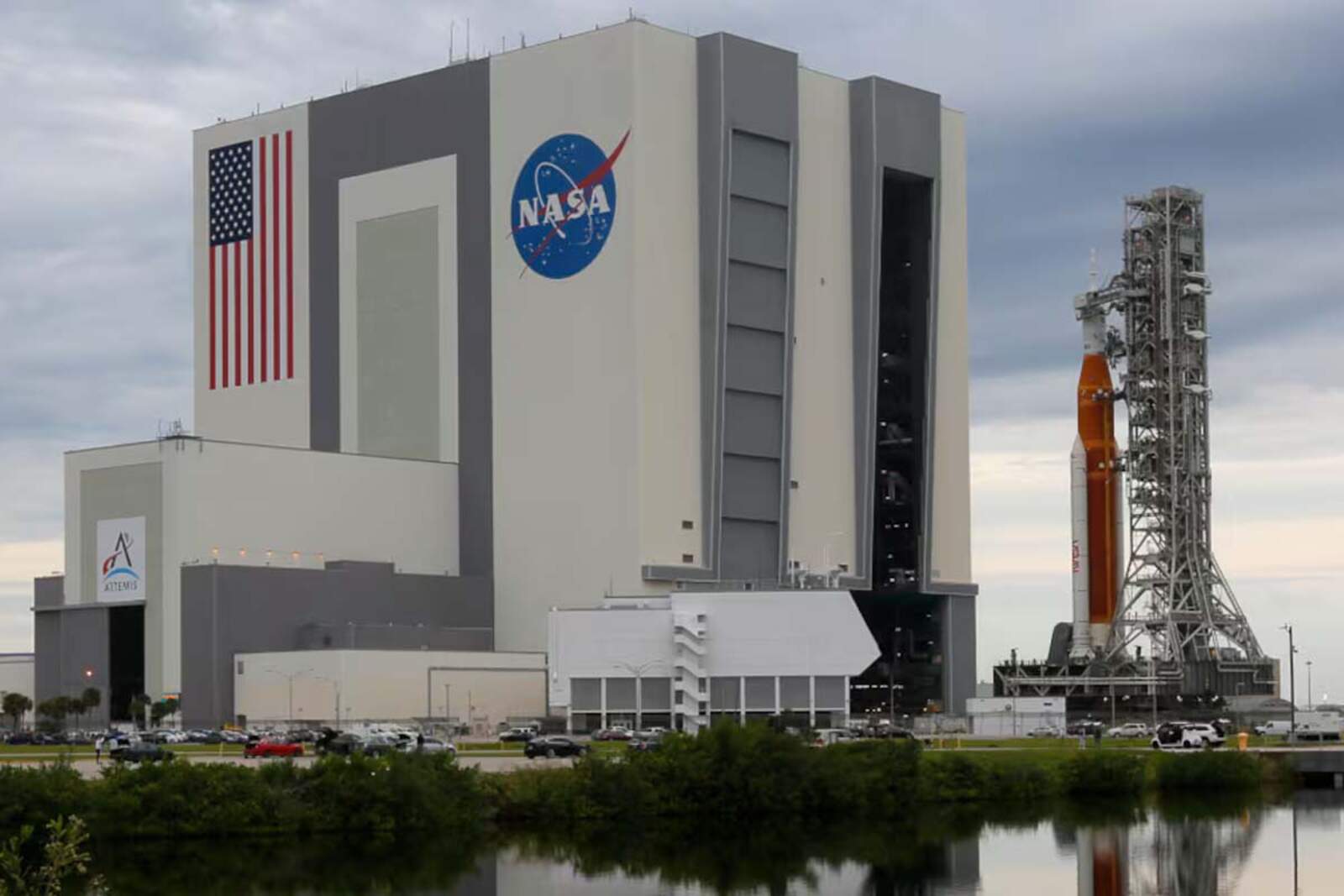
Among the challenges of the SLS rocket, the demands of the Orion capsule, and the unprecedented tests of SpaceX's Starship, the original schedule has been overwhelmed. For this reason, the agency has asked its partners for more agile and realistic proposals.
Corea del Sur ya dio sus primeros pasos en la exploración lunar en 2022
New strategy: a simpler Starship
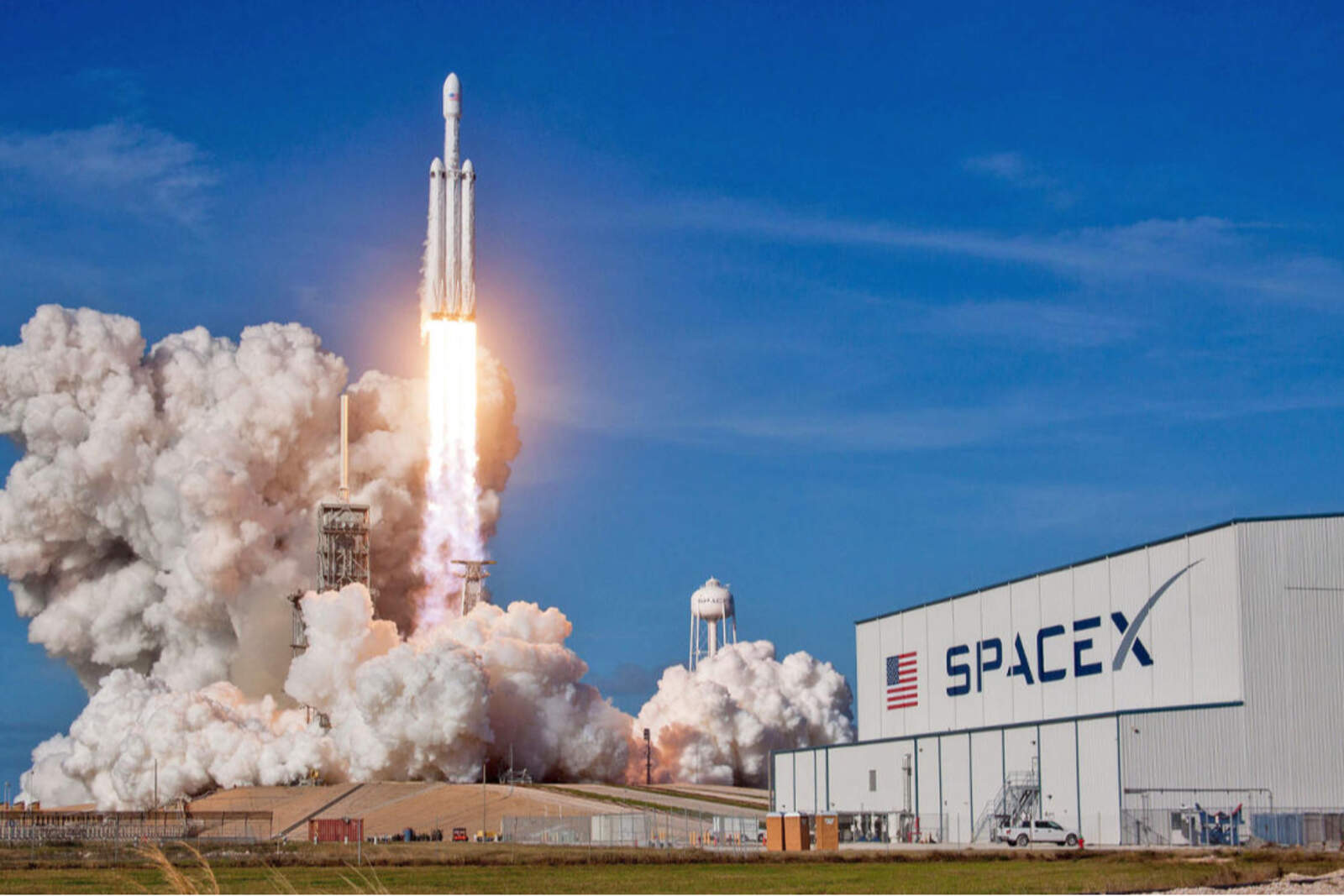
SpaceX has presented an alternative that is already under review within NASA. It is a simplified mission architecture designed to reduce maneuvers and improve crew safety without modifying the base vehicle.
The focus is on optimizing Starship's operations and avoiding intermediate stages that currently represent a bottleneck in the lunar mission.
The biggest problem: refueling in orbit
The biggest stumbling block in the current plan is the low-Earth orbit fuel transfer method, a maneuver that has never been tested in a real mission. Today, it requires launching a "depot" Starship and between 12 and 20 tanker rockets to fill it before departing for the Moon.
El mayor problema: el reabastecimiento en órbita
One option to reduce that number is to use expendable Starships: without a heat shield or reentry systems, they weigh less and can carry more fuel. However, this strategy contradicts SpaceX's philosophy of total reusability and would multiply the mission's costs.
The alternative plan: "Enter the Dragon"
Another proposal, less likely but technically feasible, suggests carrying out the entire mission with SpaceX spacecraft:
Send the lunar Starship without crew to low-Earth orbit.
Add two Starship depots with fewer tanker flights.
Transport the astronauts in a Crew Dragon.
Dock both spacecraft, travel to the Moon, land, and refuel in lunar orbit to return to Earth.
A diferencia de Boeing, el historial crediticio de SpaceX es impecable
This scheme reduces complex maneuvers, but it conflicts with NASA's policy of avoiding fuel loading with astronauts on board. It is considered a high-risk practice.