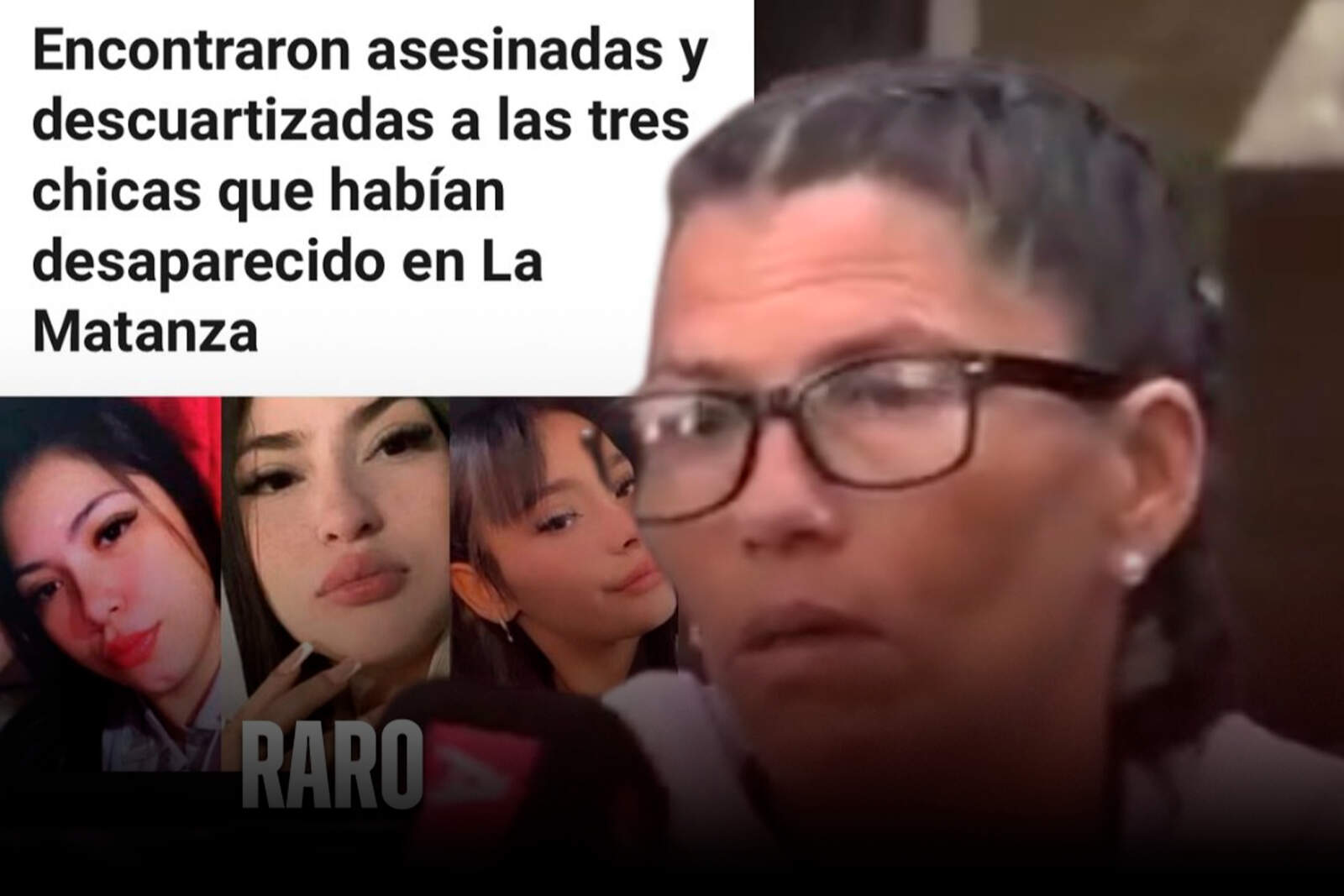
The mother of one of the murdered young women and the families' lawyer publicly denied media reportsthat indicated the bodies had been mutilated and reported that Buenos Aires officials offered them money, without providing concrete solutions to the case.
The lawyer told the media: "They weren't, as the girls say, mutilated and so on. One of the mothers saw the girls' bodies and they weren't like that".
Immediately afterward, the mother reaffirmed this version by recounting a conversation held between the families: "What you said, they weren't like that. Yesterday the three mothers met and Paula asked her, 'Let me ask you something Beba, I have a question... did Lara have her fingers cut off?' No". This rekindles doubt regarding the veracity of the autopsy processes that had emerged and confirmed mutilation. She also strongly criticized the media coverage for "causing psychological and moral harm to the family" through unverified information.
Meanwhile, the lawyer denounced the lack of institutional support: No provincial authority with decision-making power appeared to assist the victims' families.He also confirmed that Buenos Aires officials approached them "to offer money", without specifying amounts or the purpose of the proposal, which opens a sensitive political front amid a case that has caused strong public shock.
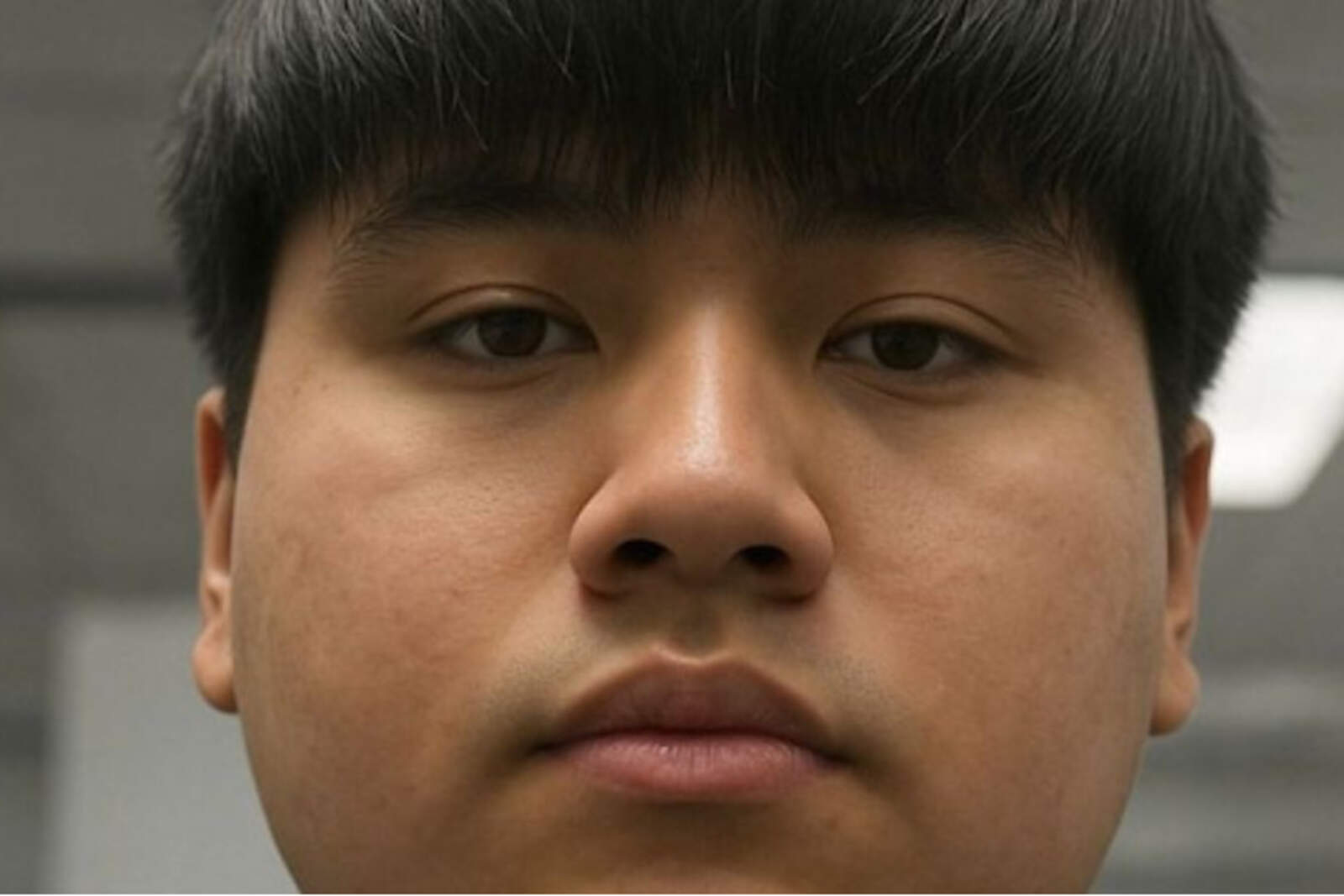
According to Buenos Aires Security Minister Javier Alonso, the triple femicide was ordered by this individual as part of an internal disciplinary message, broadcast live on Instagram to a closed group of followers. "The leader said: 'This is what happens to those who steal my drugs.' It was a planned act of terror, with mafia logic", Alonso stated, who explained that the objective was "to build a criminal authority image through fear".
El narco peruano "Pequeño J".
The live broadcast of the crime, watched by at least 45 people, was confirmed by the minister himself. The episode starkly exposed the degree of impunity with which certain drug trafficking organizations operate in Greater Buenos Aires, where state presence is deficient and provincial security structures show signs of collapse.
The case also caused political tensions. Security Minister Patricia Bullrich demanded that Governor Axel Kicillof take responsibility for the deterioration of security in the province. "The main investigation is in the hands of Buenos Aires Police and the provincial Security Ministry", Bullrich recalled, although she noted the collaboration of federal forces since the beginning of the case.
The murders occurred after the disappearance of the three young women on Friday night, when they were last seen getting into a white van in La Matanza. Days later, Buenos Aires Police found the bodies buried in the backyard of a house in Florencio Varela. The van was found burned, in an attempt to destroy evidence.
Beyond the criminal investigation, the triple crime once again revealed a structural insecurity problem in Buenos Aires Province. Criminal organizations operate freely, criminal networks expand over the most vulnerable sectors, and the provincial police face criticism for their lack of effectiveness. The statements of the mother and the lawyer not only contradict initial media reports, but also put the political actions of provincial authorities under scrutiny in one of the most serious cases of the year.