Bandai Namco, Square Enix, and Studio Ghibli demand that OpenAI stop using their works without permission in Sora 2
Compartir:
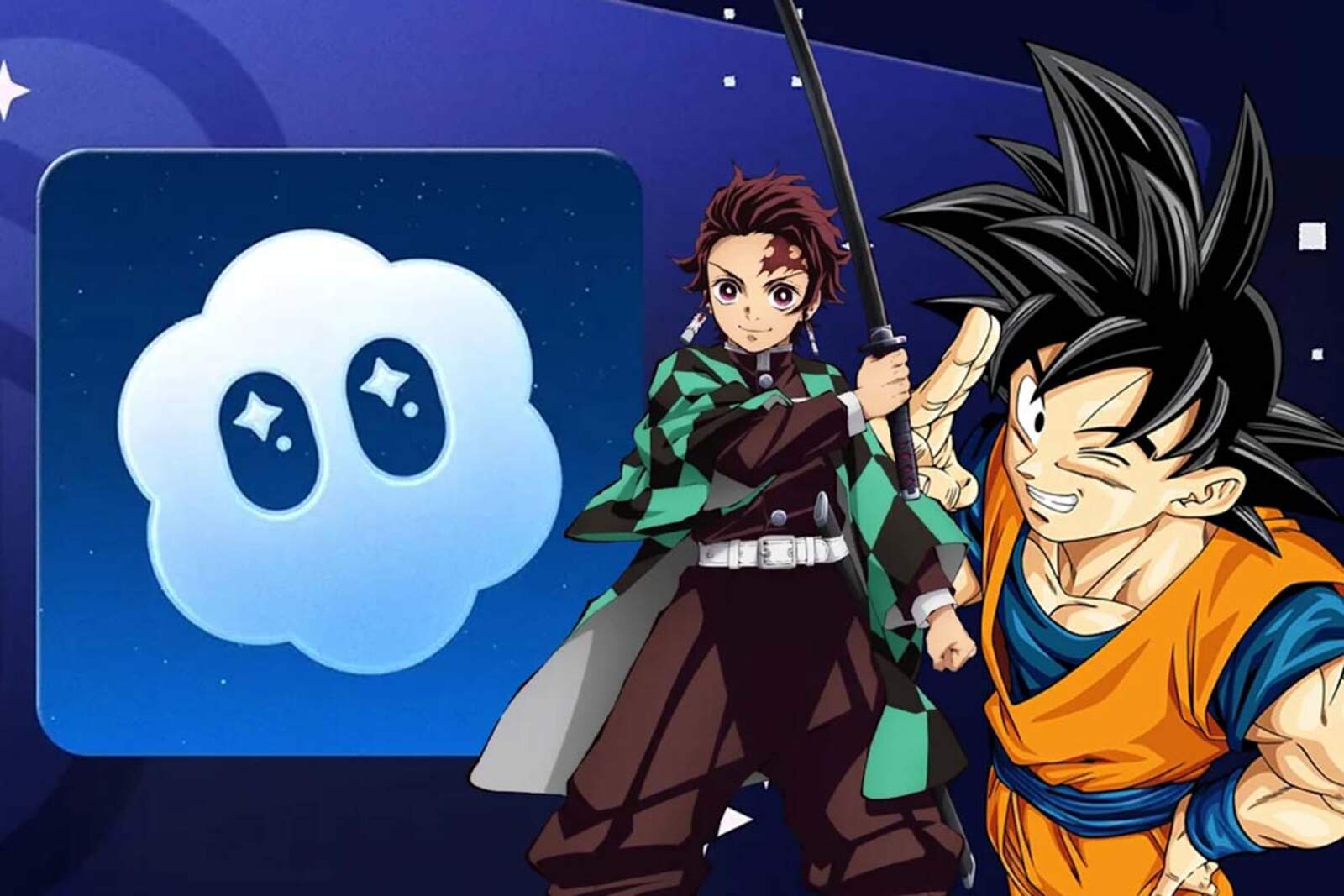
Japanese entertainment giants such as Bandai Namco, Square Enix, Toei, Aniplex/Sony Music, Kadokawa, and Studio Ghibli sent a formal letter to OpenAI. They demand that it stop using their protected works without authorization in the training of Sora 2, its artificial intelligence model capable of generating anime-style videos.
The complaint was filed by the Content Overseas Distribution Association (CODA), an entity that brings together the country's main intellectual property holders. According to the official statement, the clips caused by the model "closely resemble" characters and styles from Japanese franchises.
Exigen que deje de usar sus obras protegidas sin autorización en el entrenamiento de Sora 2
Japan toughens its stance on AI use
The Japanese government had already intervened weeks earlier, when the Cabinet Office asked OpenAI to seek prior permission before replicating anime or video game characters. The measure aims to prevent models like Sora 2 from generating content based on intellectual property without authorization.
They state that Tokyo is promoting an "opt-in" model instead of an "opt-out" system, where creators must later request that their works be excluded.
The legal conflict between CODA and OpenAI
In its letter, CODA demands two key points: that OpenAI stop using its members' content to train the Sora 2 model without permission and that it respond quickly to any claim that infringes copyright.
Sora alcanzó el millón de descargas en menos de cinco días
The organization keeps that, under Japanese law, AI training with protected material requires prior licensing, and that subsequent opt-out mechanisms do not exempt from legal responsibility. The complaint was filed at the end of October, shortly after the launch of Sora 2.
OpenAI's response and industry pressure
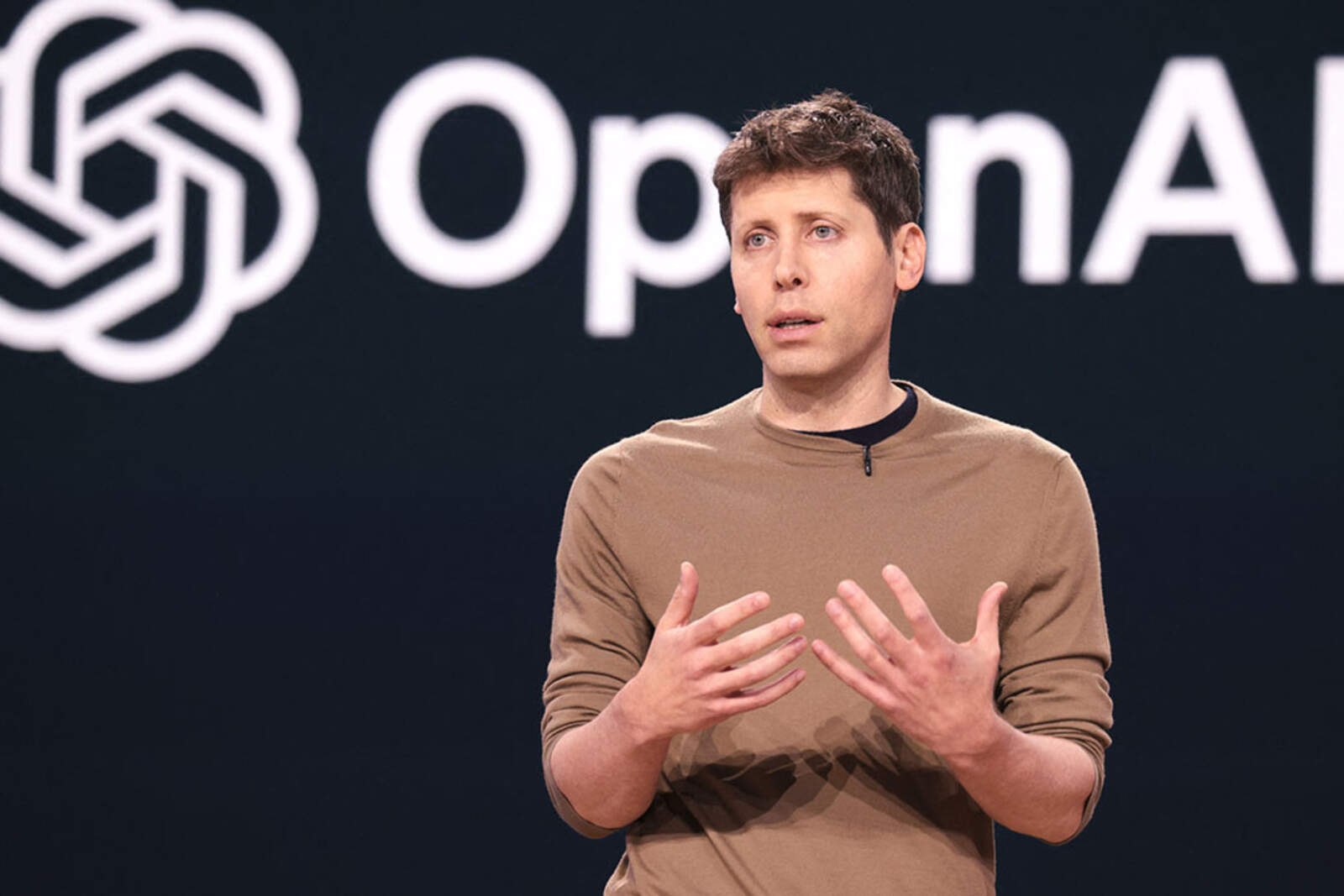
From OpenAI, Sam Altman acknowledged the existence of "borderline cases" and promised to improve controls to prevent unauthorized uses. He also indicated that monetization and revenue-sharing formulas with affected rights holders are being considered.
Sam Altman, CEO y fundador de OpenAI, ha apoyado fuertemente al presidente Trump
Meanwhile, lawmakers such as Akihisa Shiozaki described the model's asymmetry as "serious," since it blocks North American characters but allows the recreation of figures such as Pokémon, Mario, Dragon Ball, or One Piece. Political and business pressure on OpenAI continues to increase, and Japanese companies do not rule out filing civil lawsuits if an agreement is not reached.