With a high trading volume, the Central Bank made its largest daily purchase of the year
Nuevo
Agregar La Derecha Diario en
Compartir:
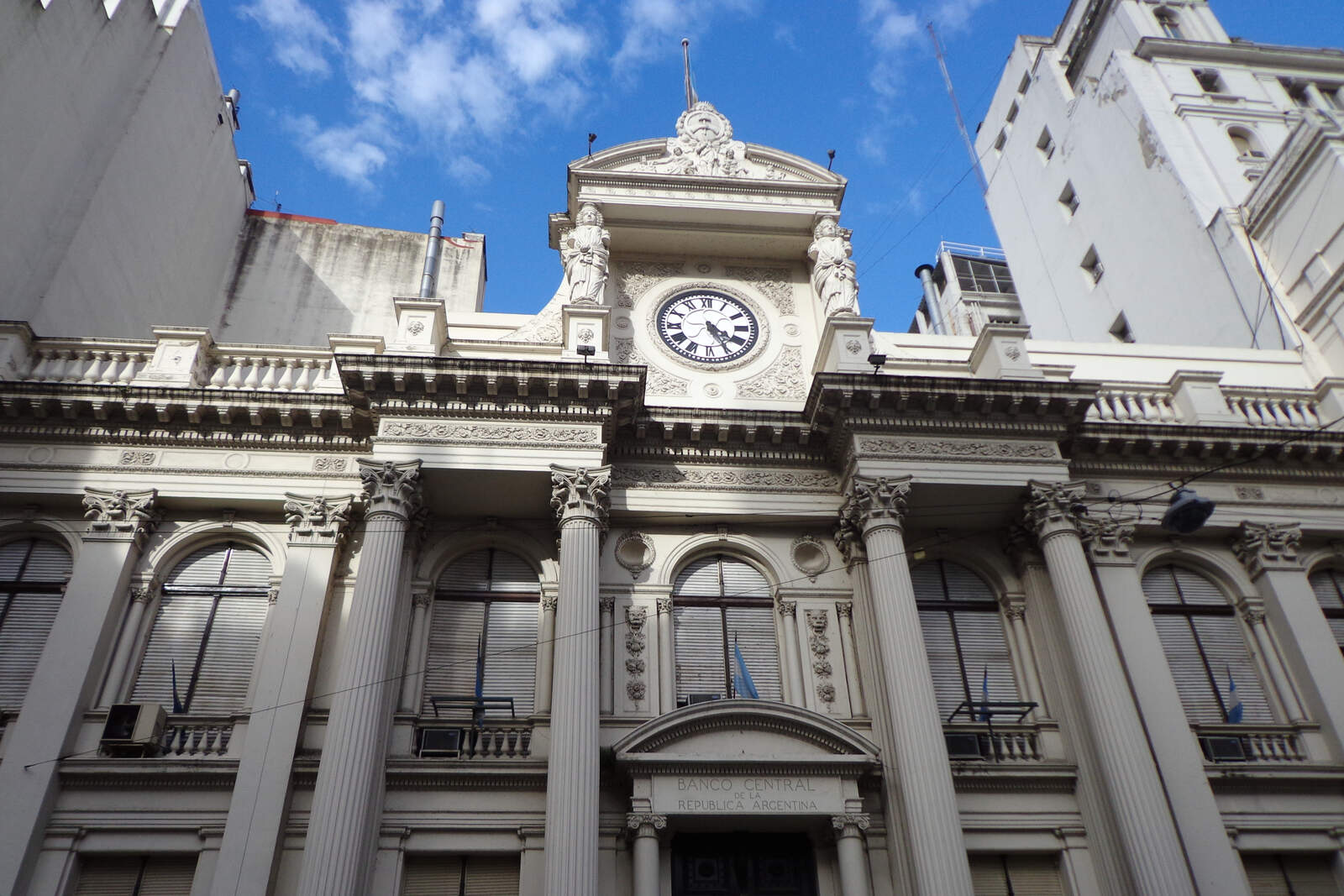
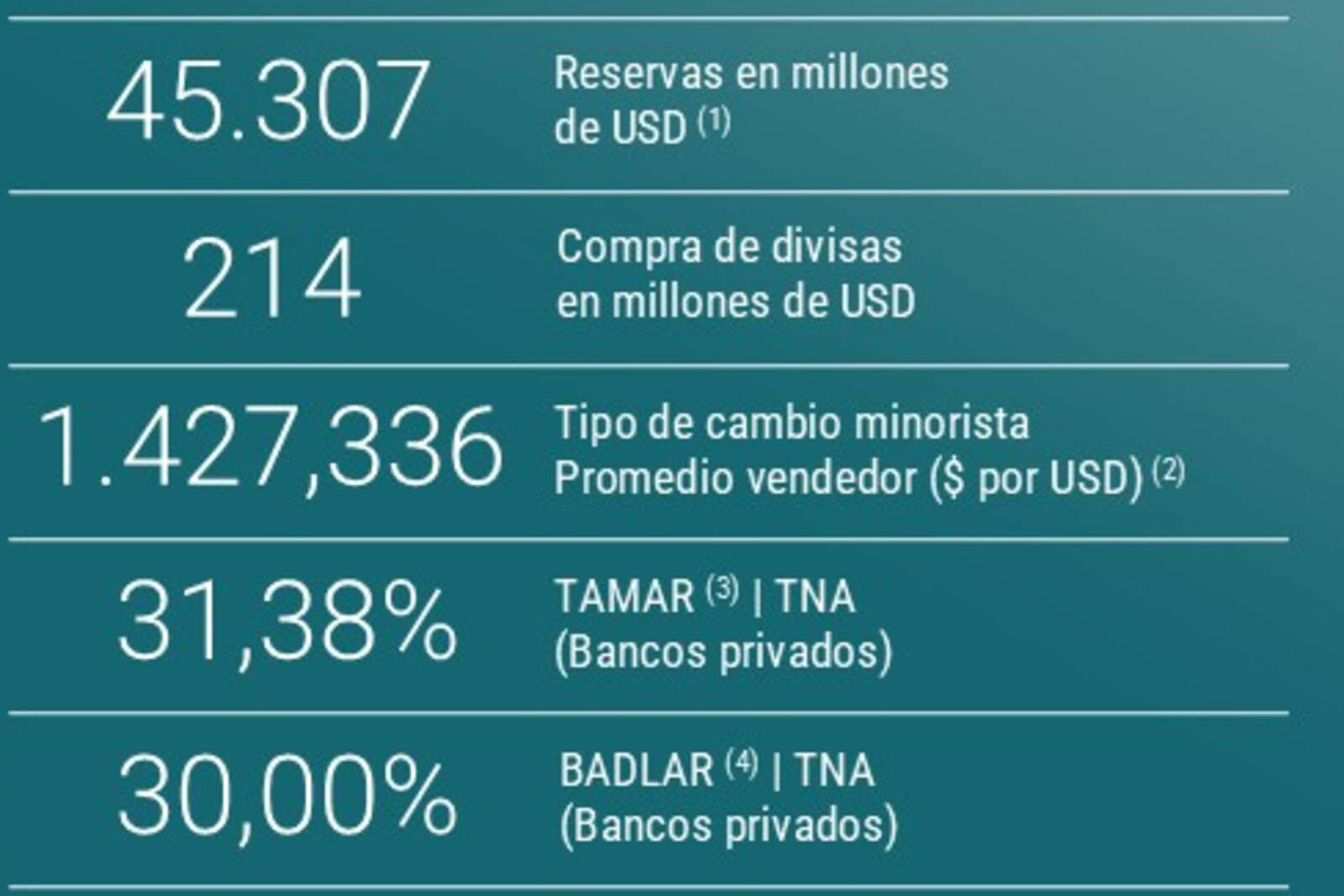
The Central Bank of the Argentine Republic carried out on Wednesday its largest daily purchase of foreign currency so far in 2026, by absorbing USD 214 million from the market. With this result, the institution has accumulated USD 1.906 billion in the year and has already reached 19% of the annual reserve accumulation target, consolidating the ongoing process of external strengthening.
The session was marked by a decline in the wholesale dollar, which fell six pesos (-0.4%) to ARS 1,400, its lowest value since November 17. In February, the official exchange rate has fallen 3.2%, while so far this year it has accumulated a 3.8% decline. The currency also remains 13% below the ceiling of the official exchange band, currently set at ARS 1,581.83, which widens the margin within the managed float scheme.
Resumen del día publicado por el BCRA.
The volume traded in the wholesale market reached USD 591.5 million, a high figure for this time of year. In that context of strong supply, the Central Bank captured 36.2% of the foreign currency traded. In February, the net buying balance amounts to USD 749 million. Gross international reserves rose by USD 75 million and stood at USD 45.307 billion.
In parallel, the retail dollar at Banco de la Nación Argentina fell to ARS 1,420 for sale, also at its lowest levels since November. The futures market showed a mixed close, with contracts for USD 865.6 million and prices that remain below the projected ceiling of the bands.
On the financial front, dollar-denominated government securities posted an average gain of 0.4%, while the country risk stabilized at 506 basis points. In contrast, the S&P Merval index fell 1.4%, affected by specific declines in leading stocks both in the local market and on Wall Street.
Santiago Bausilli, presidente del BCRA.
Meanwhile, the Ministry of Economy reported that the Secretariat of Finance awarded ARS 9.02 trillion in the short-term peso debt auction, out of bids totaling ARS 11.51 trillion, which implied a rollover of 123.4%. The Treasury not only renewed all maturities, but also secured additional financing without validating extraordinary rates.
The combination of a weaker dollar, sustained Central Bank purchases, and peso financing with high rollover rates creates a scenario of greater macroeconomic strength. The accumulation of reserves is progressing at a good pace and, if the current dynamics persist, the Government could comfortably exceed its annual targets, reinforcing exchange rate and financial stability in a key year for the consolidation of the economic program.