The monetary authority has accumulated 33 sessions with a positive balance and is strengthening the foreign exchange front
Nuevo
Agregar La Derecha Diario en
Compartir:
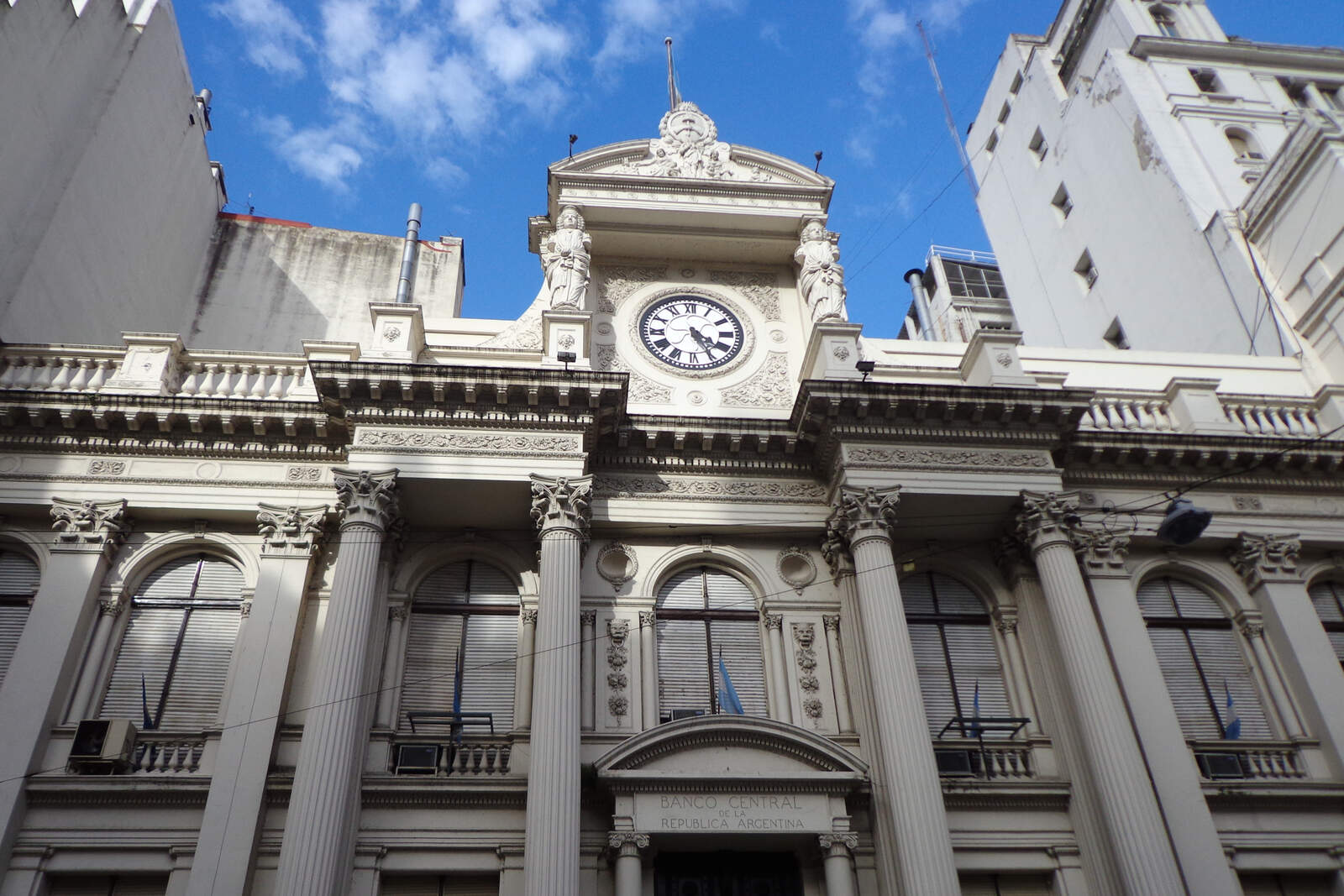
The Central Bank of the Argentine Republic consolidated in February a dynamic that a few years ago seemed impossible:33 consecutive trading sessions with a net buying position in the foreign exchange market and international reserves at their highest level in more than four years.
This Friday the institution purchased USD 167 million, bringing the total accumulated in 2026 to USD 2.412 billion.The figure represents more than 24% of the annual accumulation target projected for this year, within the framework of the so-called "phase 4" of the economic program.
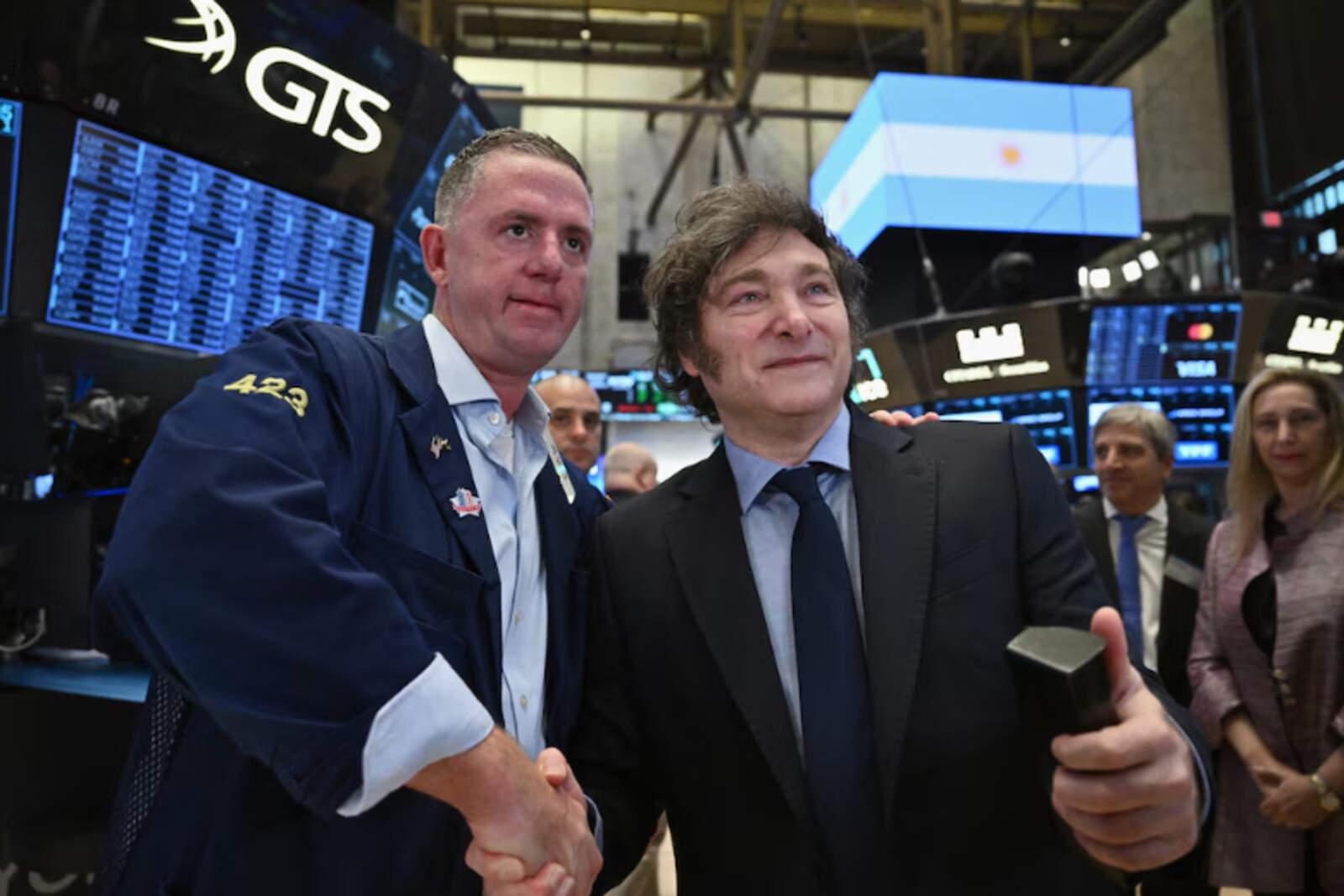
El presidente Javier Milei.
International reserves reached USD 46.261 billion, after a daily increase of USD 1.348 billion.This is the highest level since August 2021. The improvement is due both to net foreign currency purchases and to the revaluation of assets that make up the Central Bank's holdings.
The flow of dollars that feeds the Central Bank's coffers comes mainly from the settlement of the agribusiness complex and from corporate debt issuances. According to private estimates, during 2025 Argentine companies placed more than USD 20 billion, which helped strengthen the supply of foreign currency.
For 2026,official projections envisage net purchases in a range of USD 10 billion to USD 17 billion, depending on the pace of remonetization and capital inflows. The president of the BCRA, Santiago Bausili, had already indicated that accumulation will depend on the consolidation of the macroeconomic process and on monetary stability.
In parallel,the wholesale dollar continues to retreat. This Friday it closed at $1,376, with a daily decline of 0.9%. In February it has accumulated a 4.9% drop and so far this year it has fallen 5.4%. The exchange rate stands 16% below the ceiling of the exchange band set at $1,595.93, widening the distance from the upper limit.
Javier Milei.
The Central Bank keeps a daily cap of 5% of the volume traded in the Mercado Libre de Cambios for its interventions, although it can also make purchases outside the traditional wholesale circuit through direct agreements, a tool that allows it to avoid distortions.
In a country historically constrained by reserve scarcity, 33 consecutive days buying dollars are not a minor fact. The strengthening of the Central Bank's balance sheet, combined with the decline in the official exchange rate,consolidates a scenario of greater predictability and reinforces the ongoing stabilization process.