Werning said that the remaining currency restrictions will be lifted as the economic plan progresses
Compartir:
The Vice President of the Central Bank, Vladimir Werning, anticipated that the currency restrictions that are still in placewill be lifted in the coming months as Javier Milei's government's economic plan progresses.
In his presentation at the Argentina Fintech Forum, the official stated that the Central Bank's strategy seeks to consolidate stability and fully liberalize the foreign exchange market: “The currency controls were not equitable, because large companies had access to dollars, but small businesses and individuals did not.”
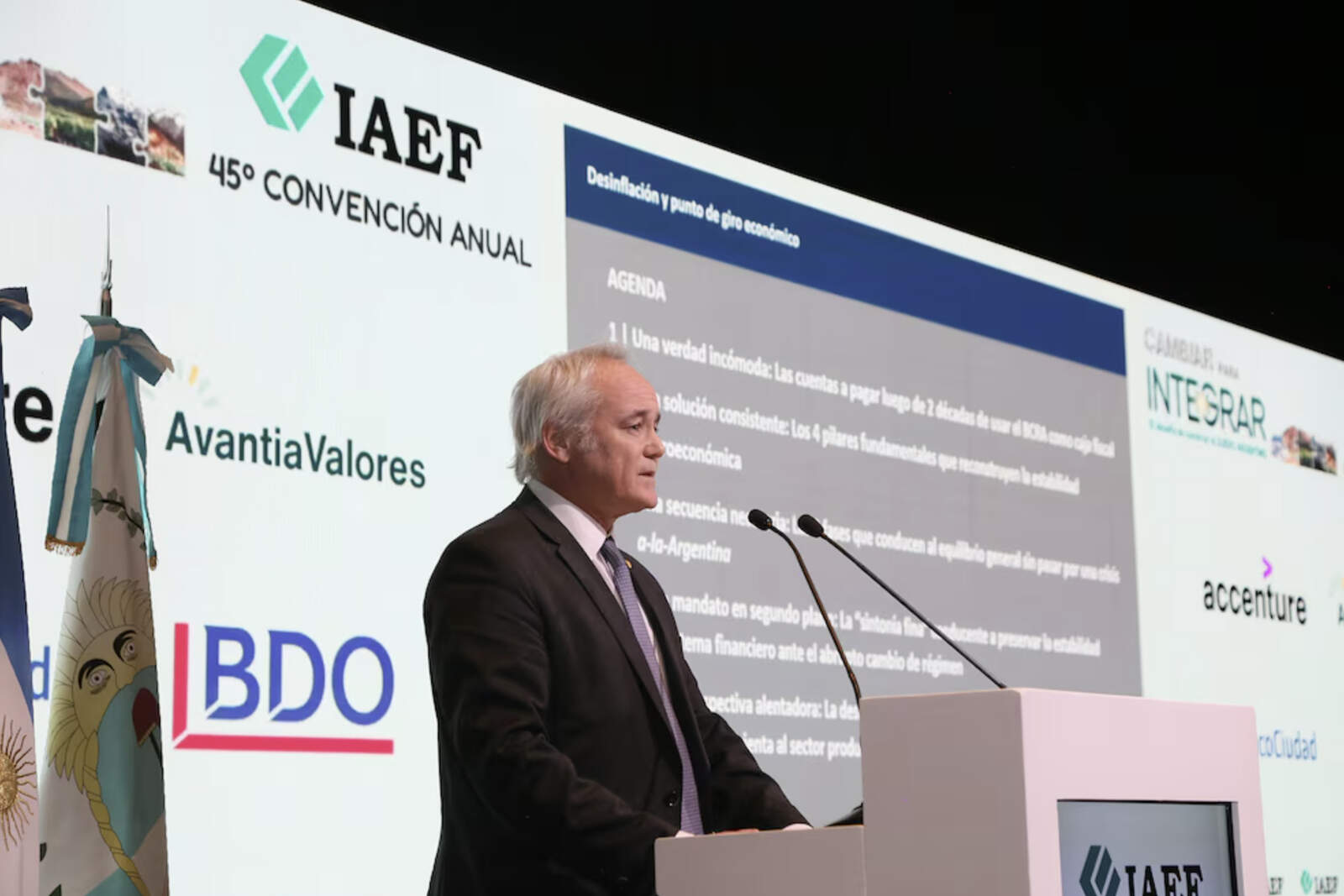
El vicepresidente del Banco Central, Vladimir Werning
He added, "Some restrictions remain, but as the economic plan advances, they will soon be lifted."
Werning's remarks came amid speculation about possible changes to the currency regime, following Minister Luis Caputo's tour of the United States. Central Bank officials sought to reassure the market: “For us —I also speak for Santiago Bausili— this is a moment of great enthusiasm. We are making the effort to achieve macroeconomic stability while maintaining contractual rights.”
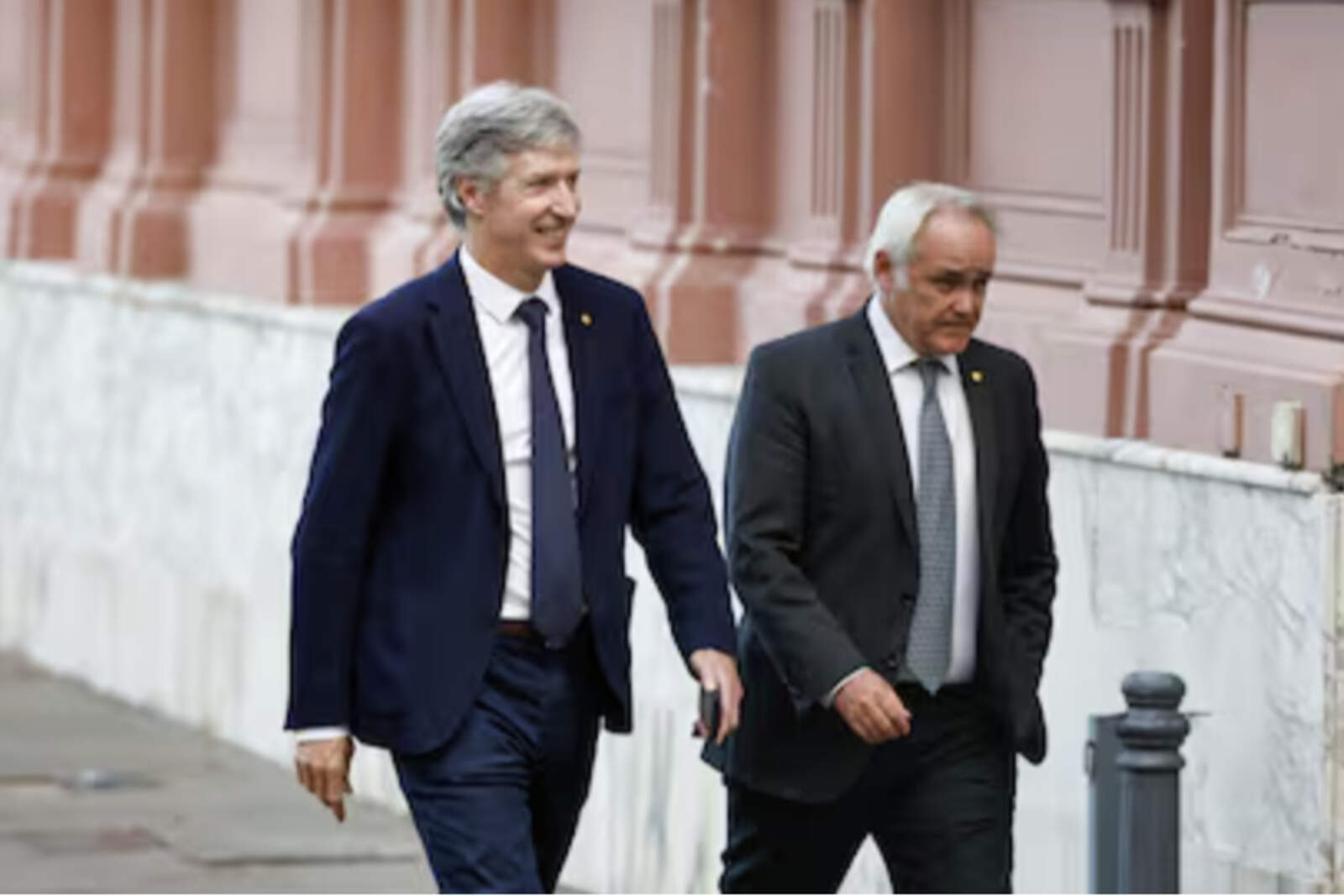
Werning junto al Presidente del BCRA, Santiago Bausili
Under Alberto, it went "From a society of rights to a society of permits"
Werning also drew a comparison with the administration of former Kirchnerist president Alberto Fernández, stating that during the pandemic “Argentina went from being a society of rights to a society of permits.” According to the economist, the currency controls and state intervention “restricted economic freedom and citizens' decision-making capacity.”
“With the lifting of the currency controls in April of this year, we once again gave Argentines the possibility to operate freely,” he said.
For the official, eliminating distortions and regulations is as important as macroeconomic stability: “Many people think only about credit. We believe that the regulations we are eliminating are not only aimed at providing more and cheaper credit for the private sector, but also at fostering the domestic market.”
According to the data he presented, credit in pesos rose from representing 4.5 points of GDP in December 2023 to almost double that figure today, which he attributed to the “recovery of confidence and monetary stability.”
Criticism of provincial taxes
In another part of his presentation, Werning again questioned the provincial tax burden, especially the Gross Income Tax (IIBB), which he described as a “disguised toll” that penalizes the financial system.
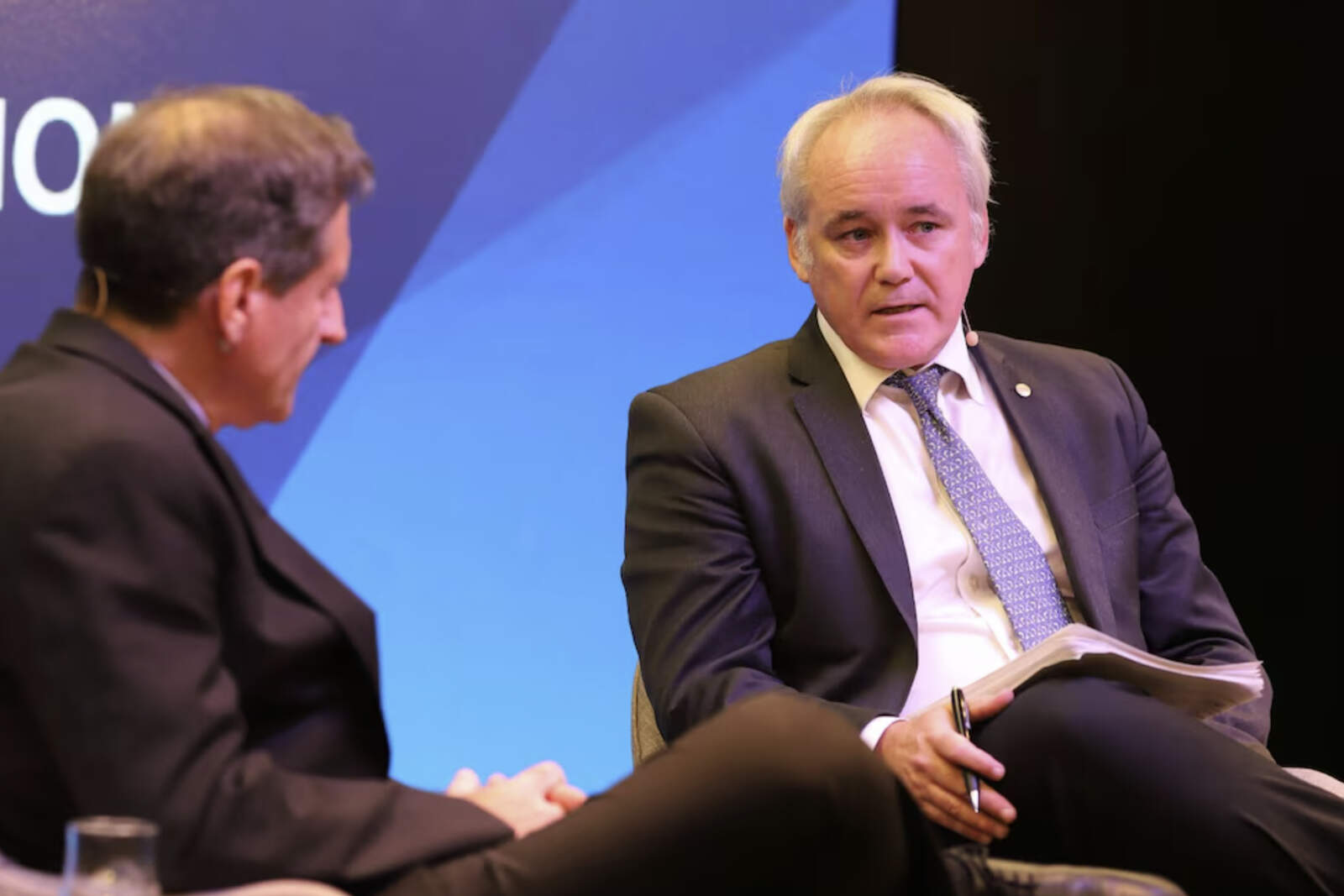
Werning presentó en el Argentina Fintech Forum y aseguró nuevas desregulaciones
“It is a major challenge to spread the reform process to the provinces. The financial system faces Gross Income Tax rates above 8%, more than double those of other sectors. These are hidden taxes, easy ways to collect revenue that discourage formalization,” he warned.
The official recalled that this was one of the points he presented in October to investors in Washington, where he explained that the Central Bank is working to reduce the distortions that hinder financial intermediation.
“There is not only a major challenge to achieve a solid financial system at the national level, but we also have to aim for the provinces to embrace the reform process,” he noted.
Werning linked this invitation to the Pacto de Mayo, and emphasized that victory in the legislative elections reinforced the mandate for change. “After the election results, the president's call to the provinces becomes more concrete, but it also needs to be accompanied by demands from the private sector,” he stated.
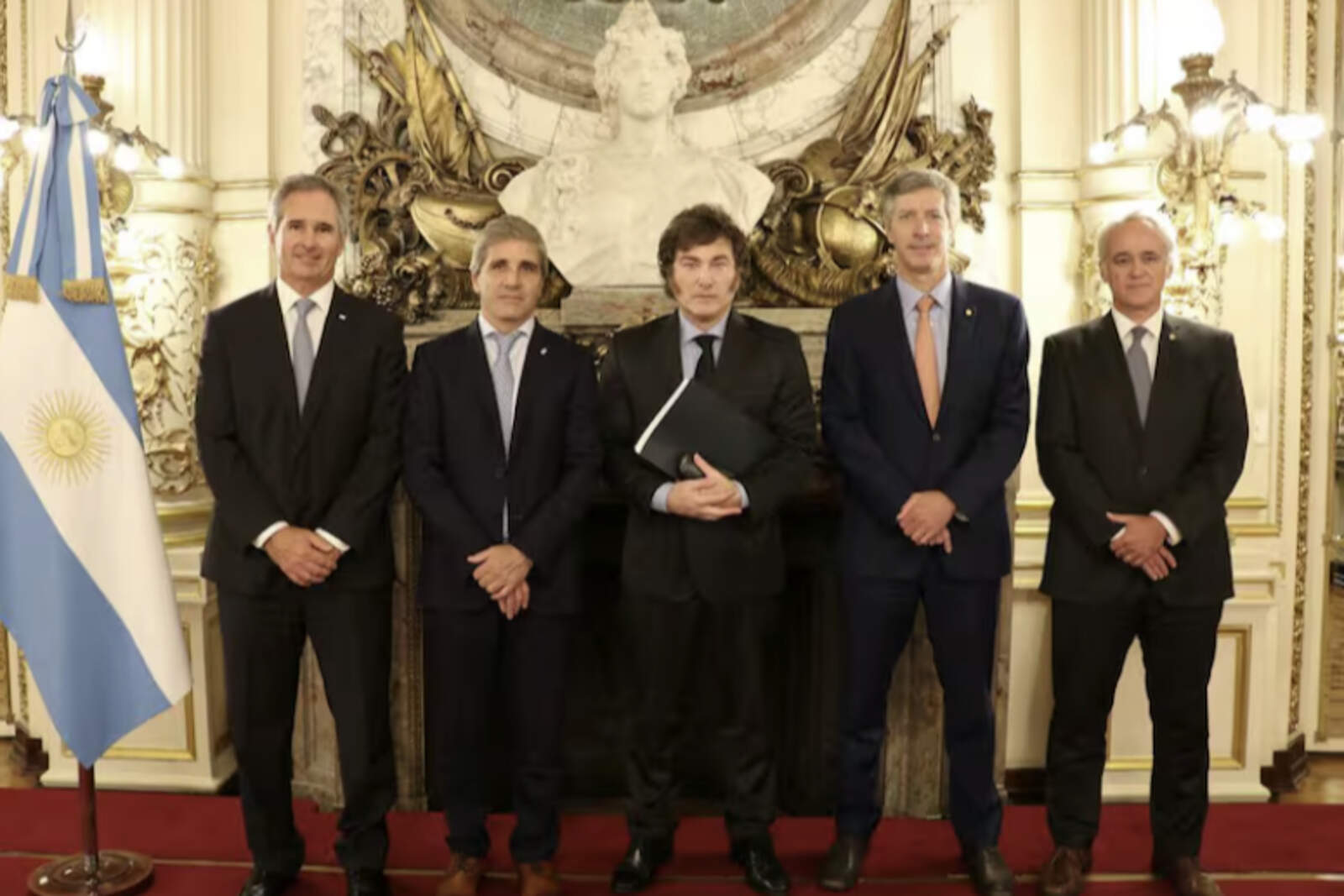
El Presidente Milei junto a Toto Caputo y el equipo del BCRA
With this message, the economist sought to reaffirm the economic team's roadmap: stabilize, liberalize, and deregulate. The signals to the market are clear; it is time to trust Argentina and invest in the country.