The Central Bank of the Argentine Republic (BCRA) officially confirmed that it already holds the USD 20 billion corresponding to the currency swap signed with the Treasury of the United States, an operation that constitutes one of the largest financial agreements in the country's recent history.
Although the funds will not yet be counted as part of the international reserves—something that will only happen once a tranche of the agreement is activated—various BCRA sources explained that the operation will be recorded as "a contractually valid liquidity line" in the annual balance sheet for 2025. This strengthens the Central Bank's accounting position, which is closing the year with a "solid and highly liquid" balance sheet.
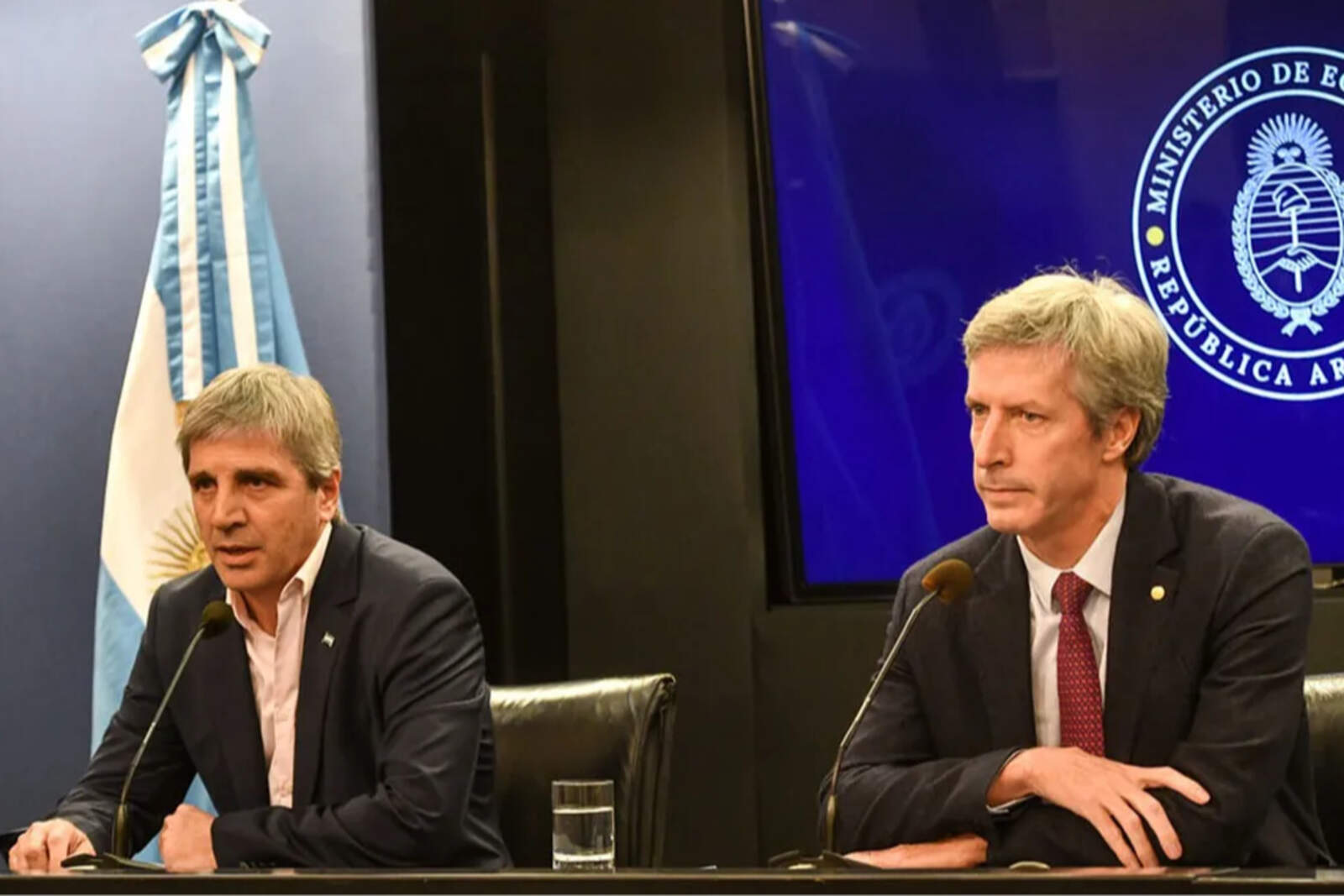
Luis Caputo junto a Santiago Bausilli.
"The disbursements of each tranche will be determined according to the BCRA's future needs," sources from the monetary authority stated, emphasizing that each activation will directly impact the international reserves reported daily.
The structure of the swap with the United States differs from the one in force with the People's Bank of China, since in this case the funds are not automatically counted as available reserves. The difference is due to technical accounting criteria: while the swap with China was immediately available, the agreement with the U.S. Treasury is activated in tranches, providing flexibility and structural support.
The announcement comes after weeks of intense negotiations in Washington, D.C. and following the historic meeting between President Javier Milei and President Donald Trump at the White House. As a result of this political and economic alignment, on Monday the BCRA formally announced the signing of the USD 20 billion agreement, with the aim of "contributing to macroeconomic stability, especially price stability and the promotion of growth," according to the joint statement.
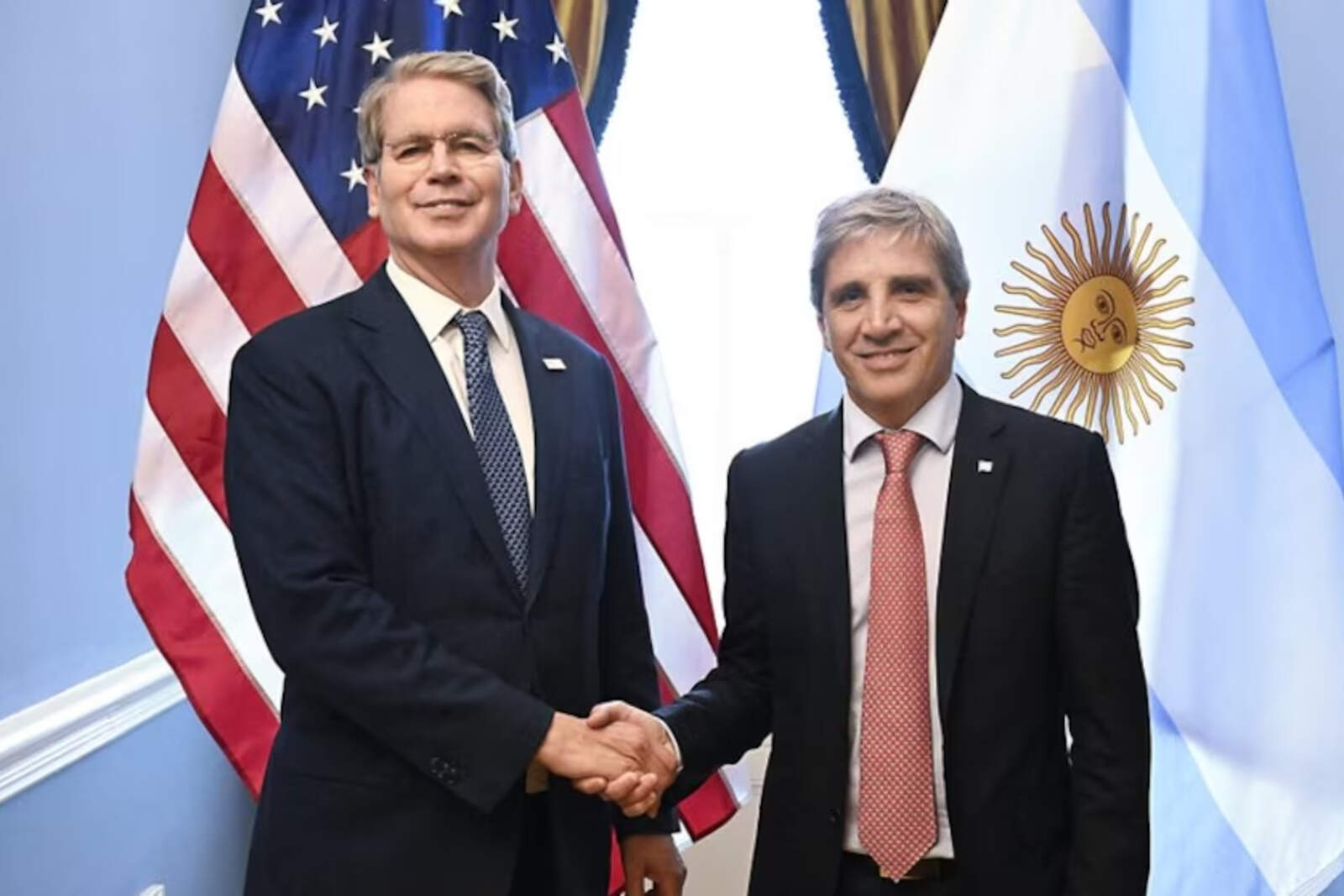
The Secretary of the U.S. Treasury, Scott Bessent, and the Argentine Minister of Economy, Luis Caputo, both emphasized that the agreement constitutes a currency stabilization tool and a vote of confidence in the economic direction adopted by Milei's government.
Javier Milei y Luis Caputo.
Nevertheless, the local exchange rate context remained somewhat tense in the first days following the announcement. On both Monday and Tuesday, all dollar exchange rates closed higher. The wholesale dollar rose by $15.50 and closed at $1,490.50 for sale, with transactions totaling USD 718.4 million—about USD 320 million more than in the previous session. In response to this dynamic, the BCRA decided to intervene with sales of USD 45.5 million, after the currency reached the upper band limit.
It is worth recalling that the last intervention of this kind occurred between September 17 and 19, when the monetary authority sold USD 1.110 billion over three consecutive sessions, at a time when the dollar had also reached the upper floating limit, then at $1,475.
Despite market pressures, sources from the financial sector indicated that "it doesn't necessarily mean that the exchange rate will go much higher," although they acknowledged that some traders are speculating about a possible "recalibration" after the October 26 elections.