There are moments in history when events align with brutal clarity. There is no narrative that can cover them up, no apparatus that can distort them, no propaganda capable of twisting what is evident. When that happens, societies face a simple and deep dilemma: either they cling to authoritarian nostalgia or they accept the cost—and the benefit—of freedom.
This is not a technical discussion or an ideological nuance. This is a historical definition.
That moment arrived. The world began to move accordingly.
The global map is changing and, for the first time in decades, Argentina decided to stand on the right side of history: the side of freedom, trade, real sovereignty, and order. Everything else is the past. A past that resists dying, but that no longer offers a future. What is truly disruptive is not the rhetoric, but the decision to definitively abandon ambiguity.
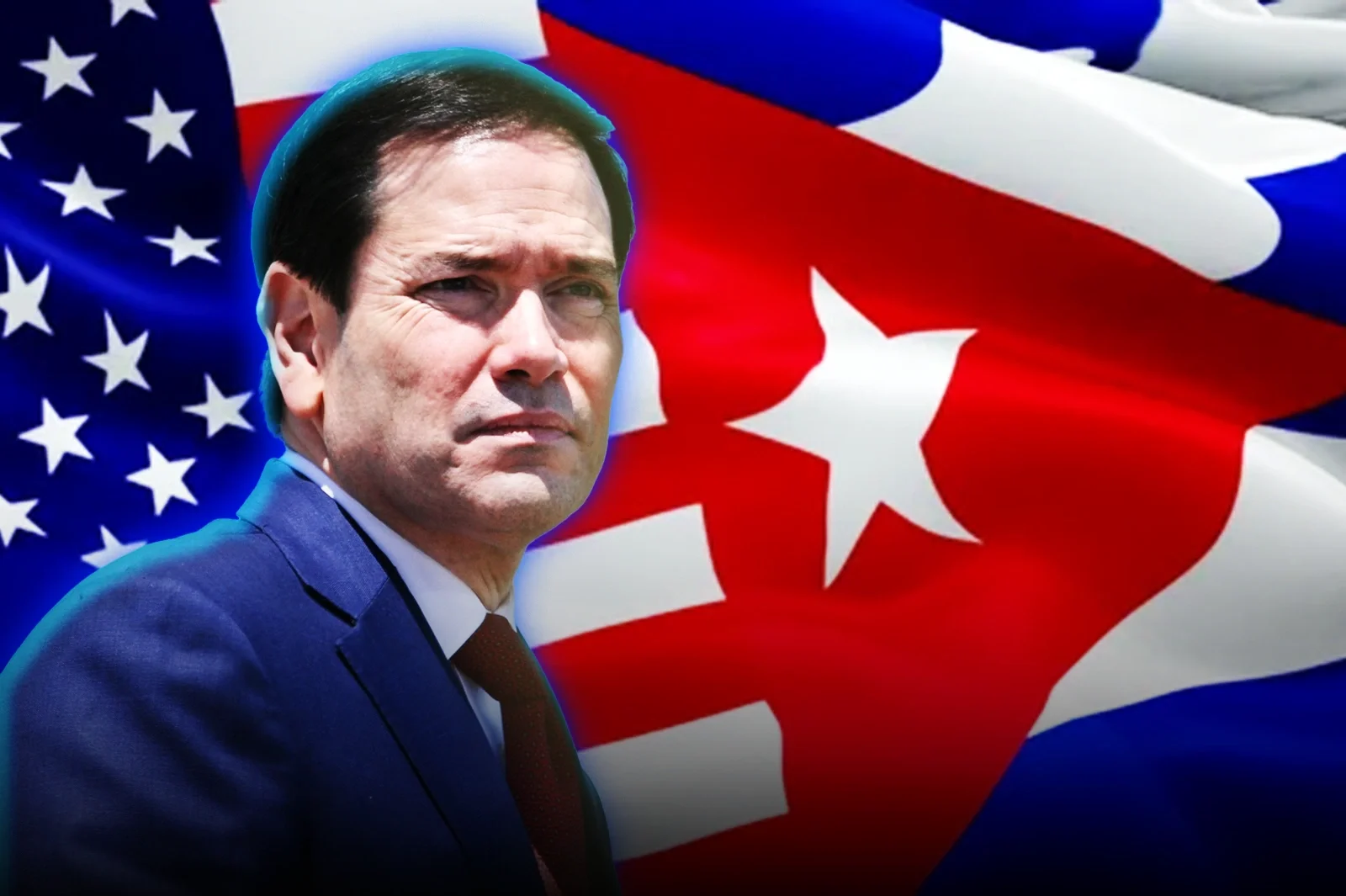
That rupture is also expressed in the region. While dictatorships tremble, freedom advances. The release of political prisoners in Nicaragua was not a humanitarian gesture or a moral concession: it was a sign of weakness. A reflection of fear. The capture of Nicolás Maduro marked a historic turning point. This is not an isolated episode or a regional anecdote. This is, without exaggeration, the greatest shock of freedom of the 21st century. A direct blow to regimes that survive by killing, torturing, raping, and kidnapping citizens for thinking differently.
For years, many tried to relativize what was evident. People spoke of "alternative models," of "popular processes," of "different democracies." That ideological alibi is beginning to crumble. The world began to understand what many denounced in solitude: 21st-century socialism is not a failed political experiment, it is organized crime with revolutionary rhetoric. When ideological impunity ends, the effect is contagious. The regimes look at one another and understand that they are no longer untouchable.
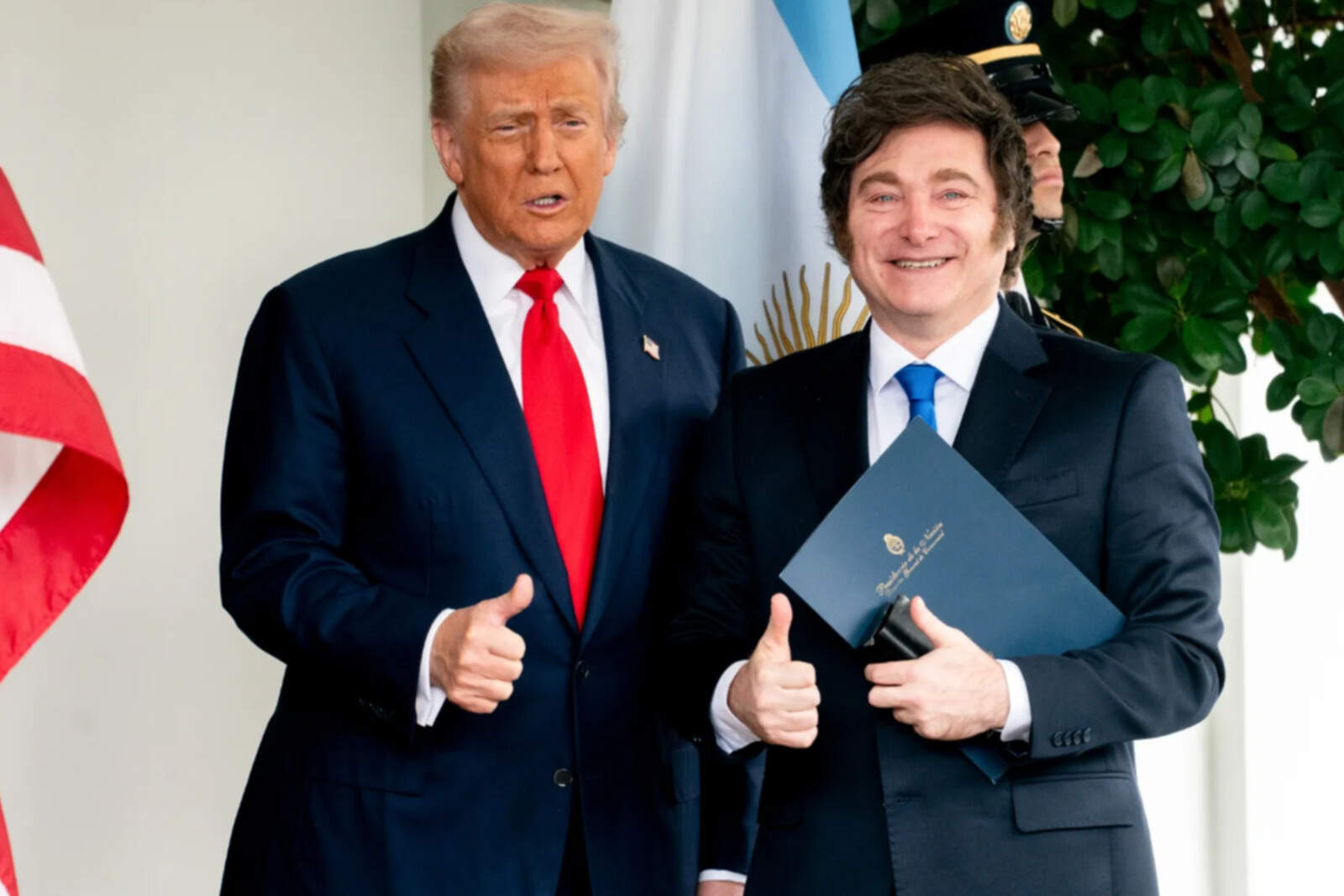
In that global scenario, Javier Milei's geopolitical decision acquires a historical dimension. Recognizing an unrestricted alliance with the United States and Israel is not a provocation or a symbolic gesture: it is a strategic definition.
It is probably the most important decision in Argentina's foreign policy in one hundred years. Argentina stopped being an irrelevant satellite of discursive Third-Worldism to occupy a clear place in the new global configuration. That's why it bothers so much. Because they know that this is an irreversible decision. There is no turning back when a country chooses clear rules, strong allies, and Western values without complexes or moral ambiguities.
That external shift did not remain at the level of statements. It has a concrete translation in economic decisions that break with decades of isolation. Argentina decided to compete. The agreement between MERCOSUR and the European Union, authorized after more than thirty years of stalled negotiations, is historic: preferential access to a market of 450 million people, elimination of tariffs for 92% of our exports, and direct benefits for 99% of regional agriculture. More trade, more investment, more employment. This is not ideology. This is common sense. This is understanding, once and for all, that producing and exporting is the only sustainable social policy.
That change of course is also expressed internally. From chaos to stability. From permanent emergency to predictability. Reserves are strengthening, interest rates are no longer confiscatory, and monetary policy is abandoning the logic of the eternal patch. The economy is not "adjusting itself": it climbed out of the hole. That is especially uncomfortable for those who bet on failure as a political strategy.
That's why it bothers people that the Central Bank is accumulating reserves, buying dollars, closing stabilization agreements, and normalizing international financial relations. Every positive data point is bad news for Kirchnerism and good news for the country. The first week of 2026 was eloquent: they did not get a single prediction right. Reality once again imposed itself over wishful thinking.
The results are already visible in the real economy. In 2026, agricultural exports will reach 110 million tons. Meanwhile, while some were predicting disaster, tourism is booming: record occupancy, genuine consumption, without "little money plans" or fiscal anabolic steroids. Without narrative. With facts.
Argentina decided again. That is what is truly disruptive. It did not choose a patch or a lukewarm transition. It chose a course. In a world that is beginning to punish authoritarianism and reward societies that bet on freedom, staying on the right side of history is no longer a slogan: it is a responsibility. This time, there is no turning back.