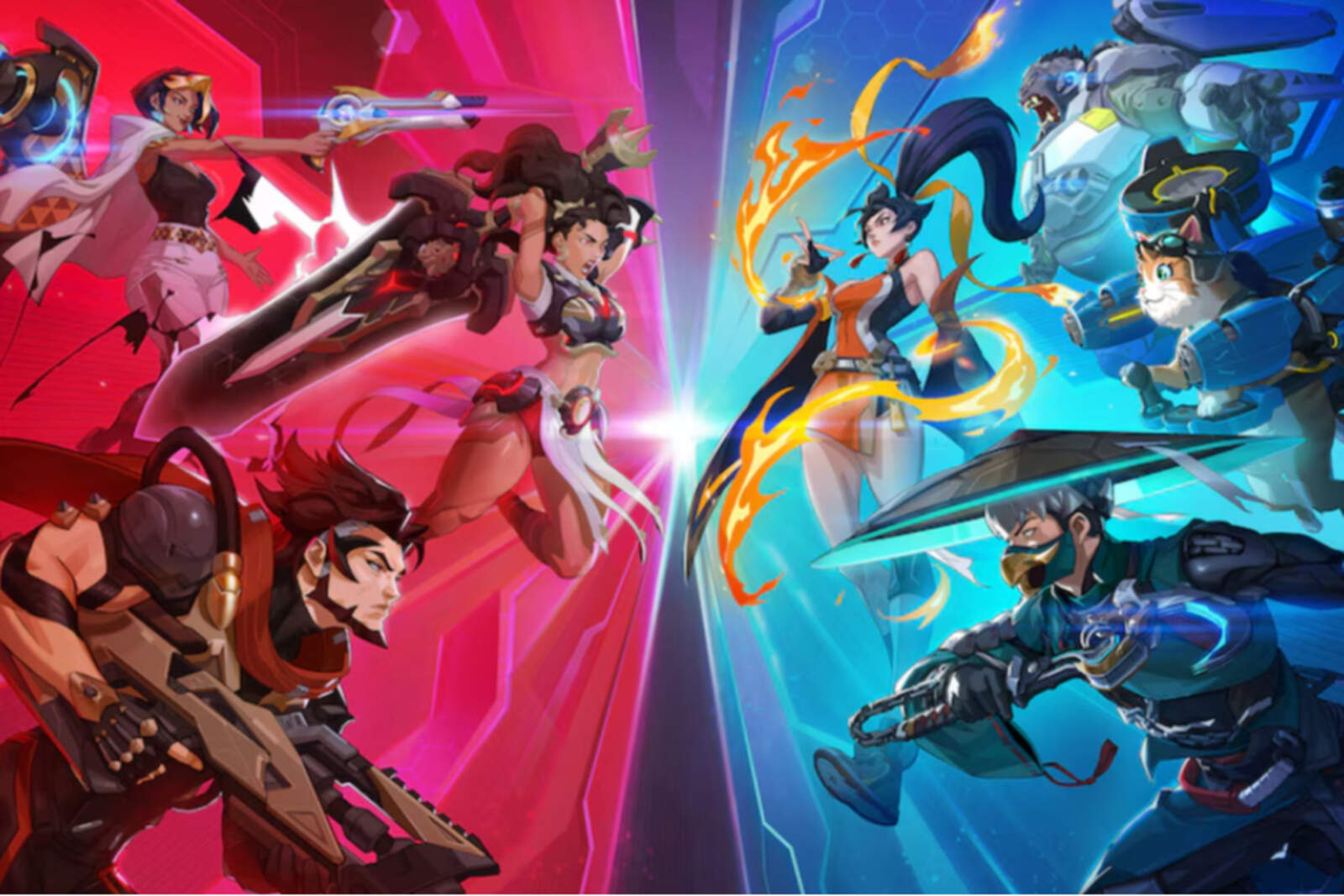

Blizzard made a bold bet and the market replied. The hero shooter that until recently was called Overwatch 2 has officially returned to its original name: Overwatch. The change was not just symbolic. It came along with a new Season 1, an ambitious roadmap, and a relaunch strategy that seems to have reconnected with the community.
Just a few days after the announcement, the game recorded on Steam a peak close to 70,000 concurrent players, more than double the average of the last six months. At several points over the weekend it even surpassed Battlefield 6 and reached figures similar to Call of Duty, two giants of the online shooter genre.
It's important to emphasize that Steam represents only a portion of Overwatch's total player base, so the global impact could be even greater.
More than a name change: a strategic reboot
The removal of the "2" marks a deep shift in Blizzard's strategy. Overwatch 2 had caused very high expectations, especially because of its promised large-scale cooperative PvE mode, which was ultimately canceled in its most ambitious version. That decision eroded the trust of part of the community.
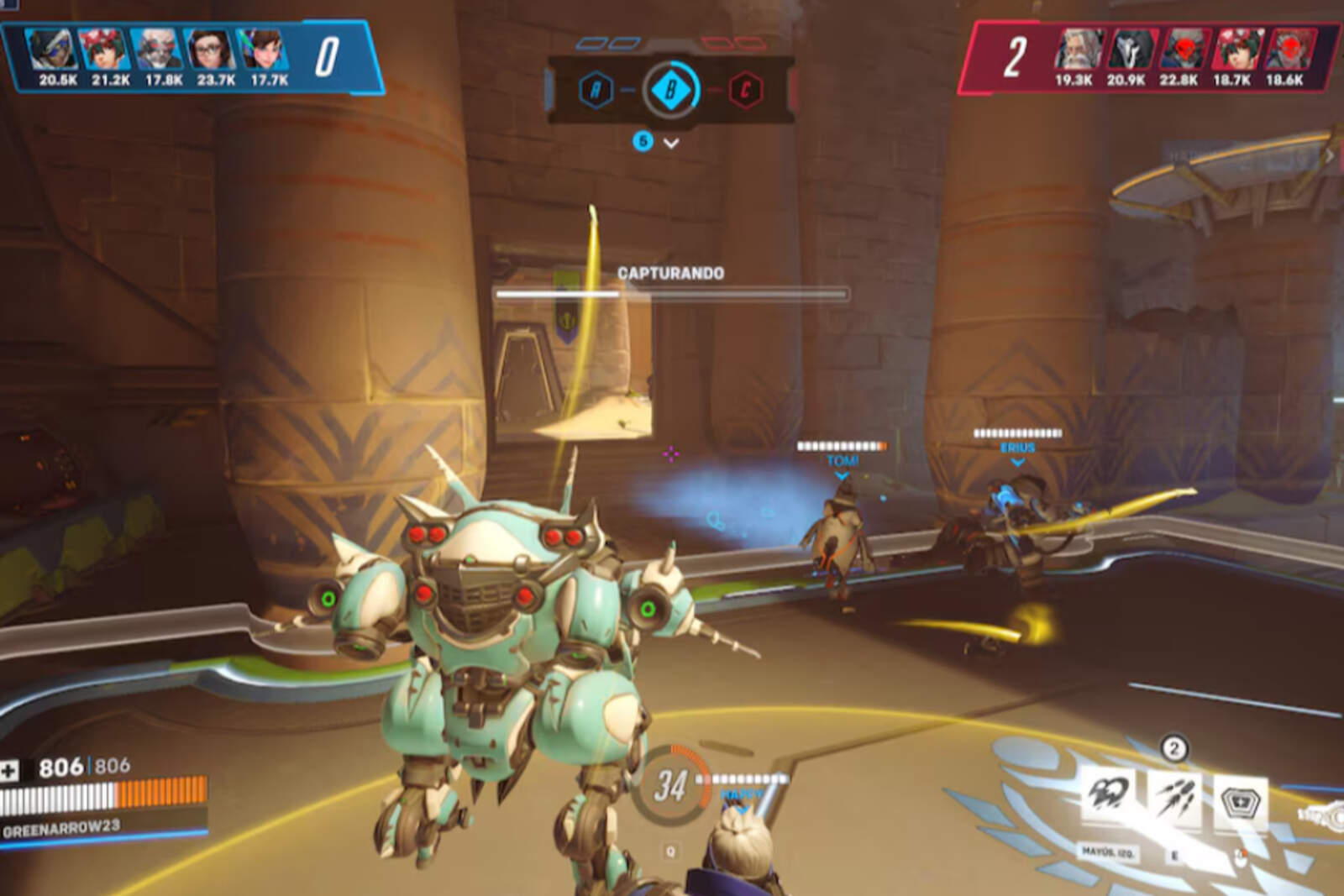
The return to Overwatch works as a kind of conceptual reboot. Blizzard not only changes the name: it redefines the seasonal model, restarts the count with a new Season 1, and presents an annual plan with renewed heroes and stories.
Among the new features, the following stand out:
- Five new heroes in development.
- Characters like Fika (Jetpack Cat), which have already caused a strong impact.
- Adjustments to the competitive and progression system.
- Live events with narrative impact.
The signal is clear: the company seeks to recover the essence of the original title and at the same time modernize its content structure.