The new regulation establishes a legal framework for the implementation of extraordinary measures, enables the participation of the Armed Forces, and grants greater tools to the Executive to confront the blockades that paralyze the country
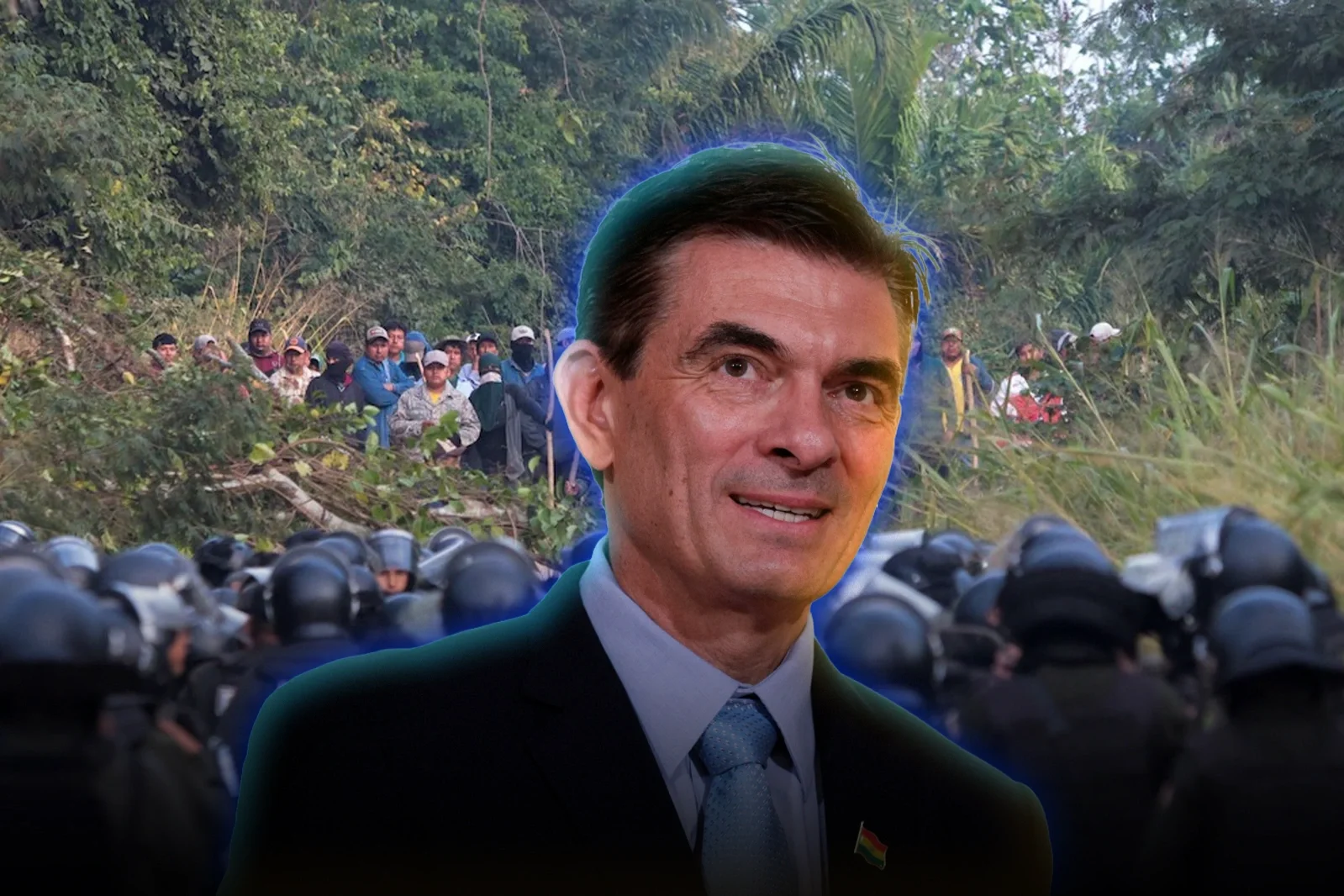
The Chamber of Deputies of Bolivia approved this Sunday the law that regulates states of emergency, one of the most important initiatives promoted by the government of Rodrigo Paz since the beginning of the political and social crisis affecting the country due to attempts at destabilization by Evo Morales and his followers.
The legislation authorizes the president to declare a state of emergency by supreme decree, defining territorial and temporal limits for its application. Additionally, it establishes a maximum period of 90 days for these extraordinary measures and contemplates the participation of the Armed Forces in tasks aimed at restoring normalcy when the situation requires it.
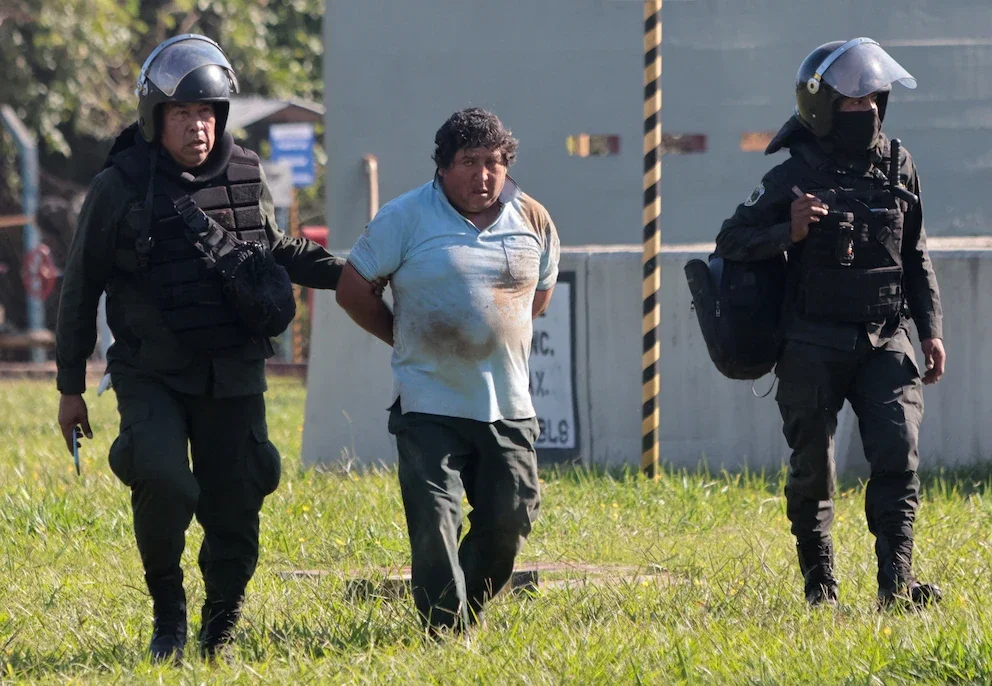
Bolivian police detaining a member of Evo Morales' blockades
The approval comes after more than five weeks of protests, roadblocks, and clashes that have caused serious supply problems for food, fuel, medicine, and oxygen in several regions of the country. La Paz and other cities have particularly suffered the impact of the blockades, which the government considers a threat to constitutional order.
For supporters of the initiative, the law provides the necessary tools for the State to respond more effectively to exceptional situations. Its defenders argue that the Executive needs to have clear mechanisms to act in the face of conflicts that affect security, the economy, and the functioning of essential services.
The norm is also part of a series of reforms approved in recent weeks that have expanded the government's capacity to act in response to protests. Among them is the elimination of legal restrictions that limited the intervention of the Armed Forces in internal conflicts, a measure that had already been promoted by the ruling party to respond to the crisis.
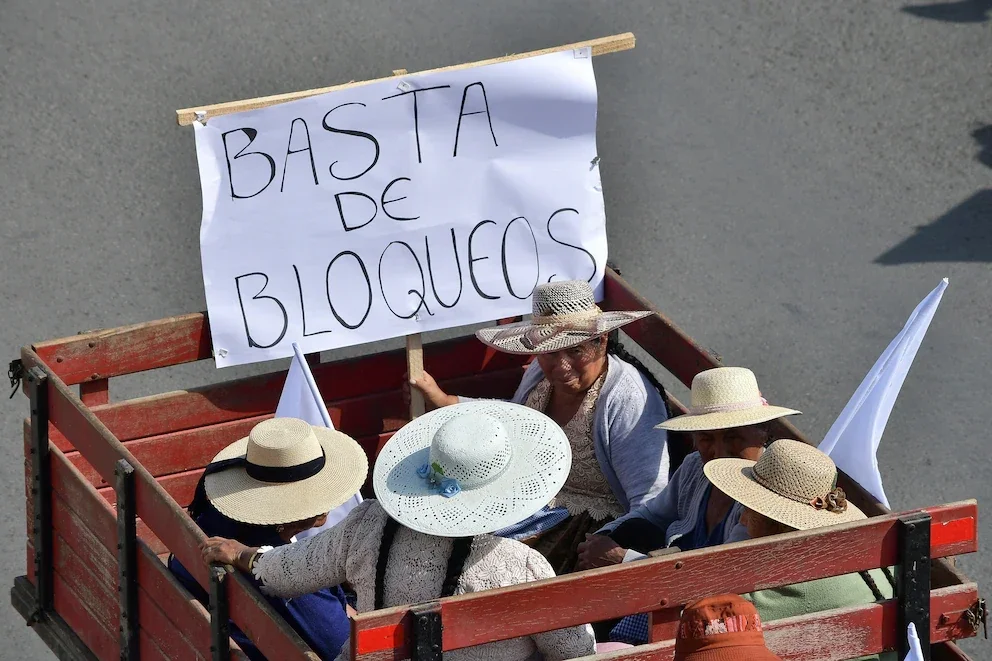
Relatives of patients and doctors protesting against Evo Morales' blockades
From Rodrigo Paz's circle, they assert that the main objective remains to restore the circulation of people and goods without resorting to extreme measures. However, the approval of this law puts the Executive in a position to act more quickly if the situation continues to deteriorate.
The decision marks a turning point in the Bolivian crisis. With the new legal framework already approved by Parliament, the government has greater powers to confront the blockades and regain control of the main routes in the country, while expectations grow regarding the next steps that the administration of Rodrigo Paz will take.