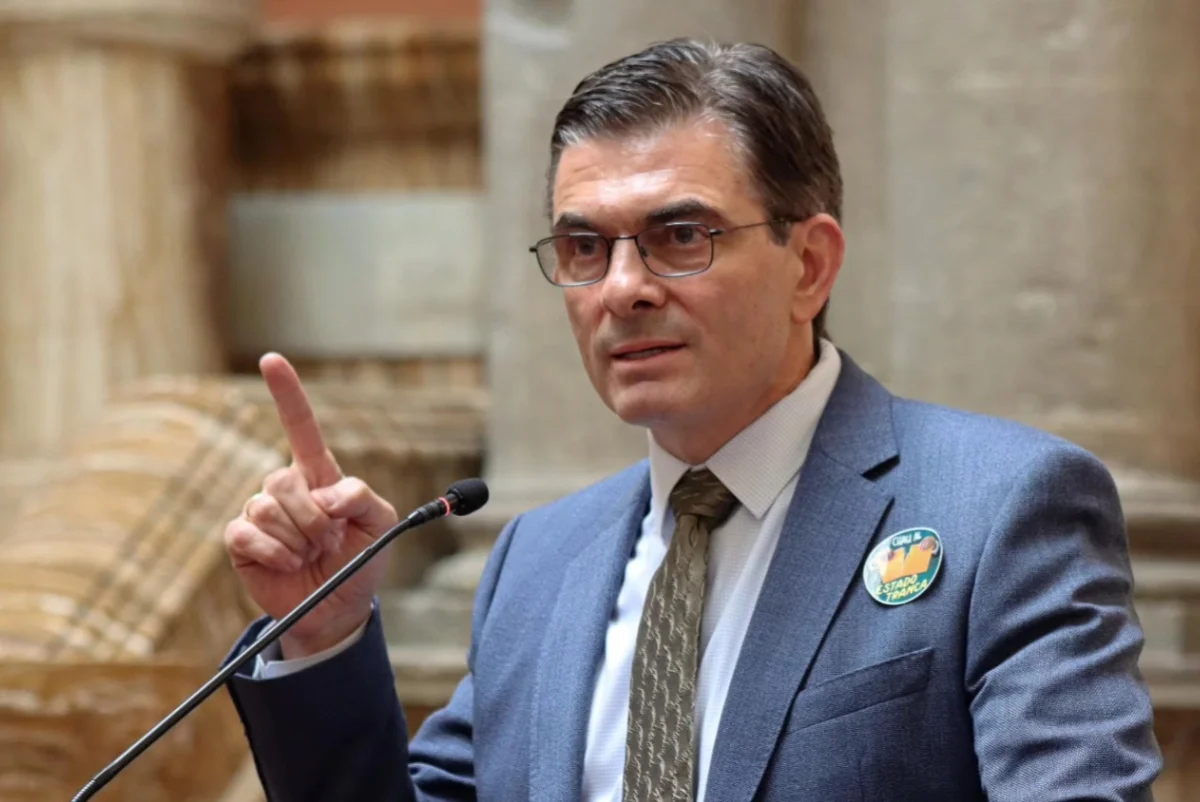
Authorities highlighted that the process began normally and emphasized that they will continue to monitor the market's evolution to ensure an orderly transition.






The government of Rodrigo Paz ended the fixed exchange rate regime that had been in place for 15 years and adopted a floating exchange rate scheme
Authorities highlighted that the process began normally and emphasized that they will continue to monitor the market's evolution to ensure an orderly transition.
From the Executive, they assert that exchange rate liberalization is a necessary tool to regain economic balance and claim that it will correct the distortions generated by years of control over the exchange rate.
In contrast, opposition sectors questioned the decision and labeled it as a "covert devaluation", considering that the new system will ultimately raise the price of the dollar compared to the old official value.
Beyond political differences, economic analysts and authorities agree that the new scheme could improve the competitiveness of the export sector, allowing Bolivian products to reflect an exchange rate closer to the real market conditions.
The Government is confident that this increased competitiveness will help increase foreign currency income, strengthen international reserves, and create better conditions for the recovery of the Bolivian economy.
With this decision, Bolivia leaves behind one of the pillars of its economic policy of the last 15 years and begins a new exchange rate phase, the success of which will depend on the Government's ability to regain trust, stabilize the market, and attract dollars back to the economy.





Bolivia ended the fixed exchange rate regime that had been in place for the last 15 years and began implementing a floating exchange rate system, in which the value of the dollar will be determined by supply and demand. The decision represents one of the most significant economic changes in recent decades and is part of the government plan of Rodrigo Paz to address the shortage of foreign currency and stabilize an economy hit by a deep crisis.
The measure comes in a context marked by a lack of dollars, a decline in international reserves, and a deterioration of economic activity, a situation that various analysts describe as the worst crisis Bolivia has faced in over forty years.
With the entry into force of the new exchange rate regime, the Central Bank stopped setting the official price of the dollar, allowing the exchange rate to be determined freely according to market conditions.
The Government maintains that the new scheme will allow for the recovery of foreign currency availability, improve the functioning of the exchange market, and strengthen macroeconomic stability in the medium term.
The decision also aims to normalize access to the dollar, one of the main problems that affected businesses, importers, and citizens in recent months.
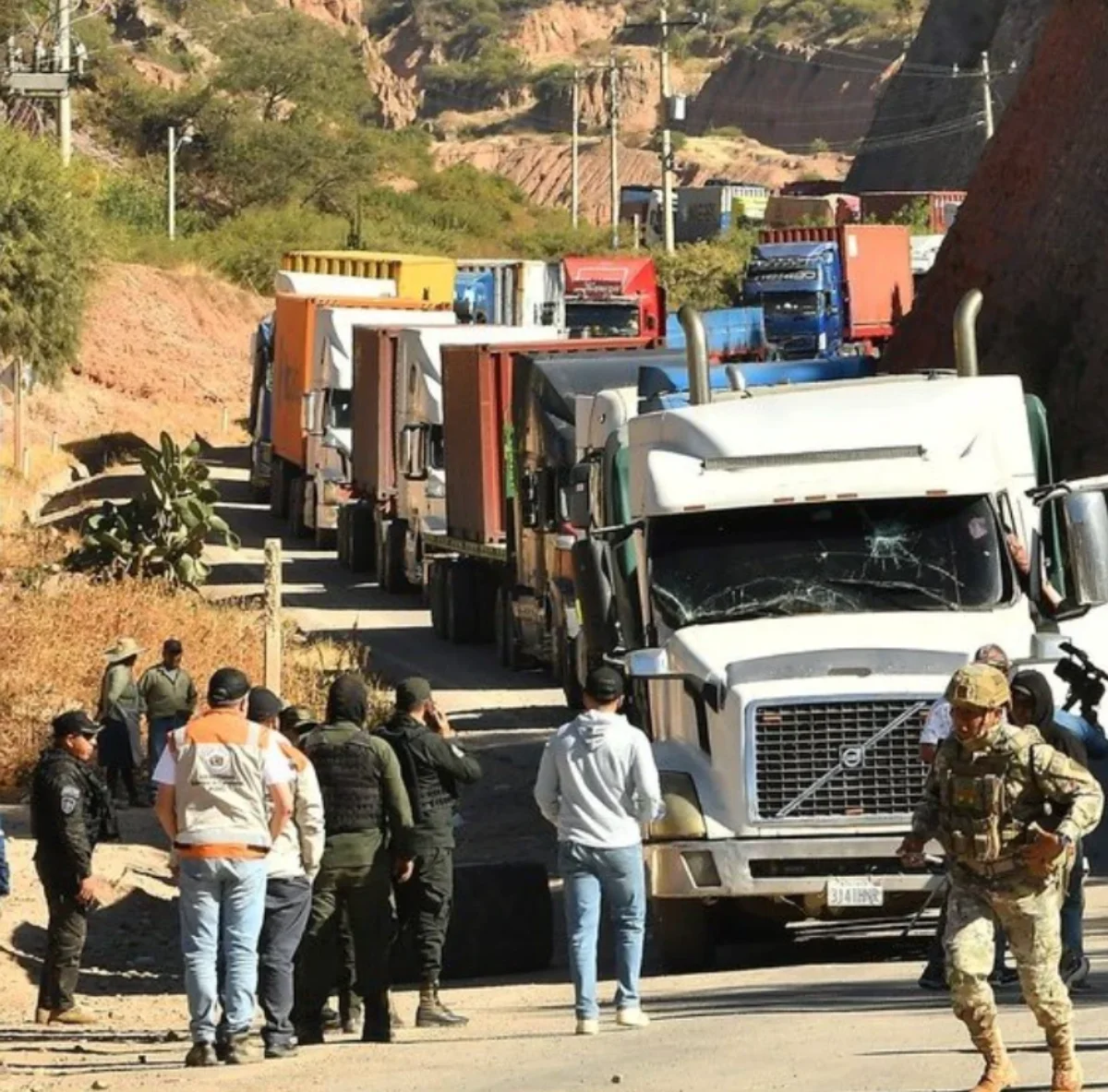
Despite the expectations generated by the regime change, the first day of operation of the floating dollar did not register significant turbulence in the exchange market.