

The Justice of Bolivia ordered the immediate release of former president Jeanine Áñez on Wednesday, after annulling the ten-year prison sentence issued against her in the so-called "golpe dos" case. The decision was made by the Supreme Court of Justice (TSJ) and announced by its president, Romer Saucedo, who explained that the measure arises from an extraordinary review of the sentence requested by the former president's defense.
According to Saucedo, the resolution was supported by seven of the nine justices who make up the high court. "The annulment of the ten-year final sentence has been ordered and, consequently, her release is ordered today," stated the head of the TSJ in statements to the press.
A ruling with political and institutional impact
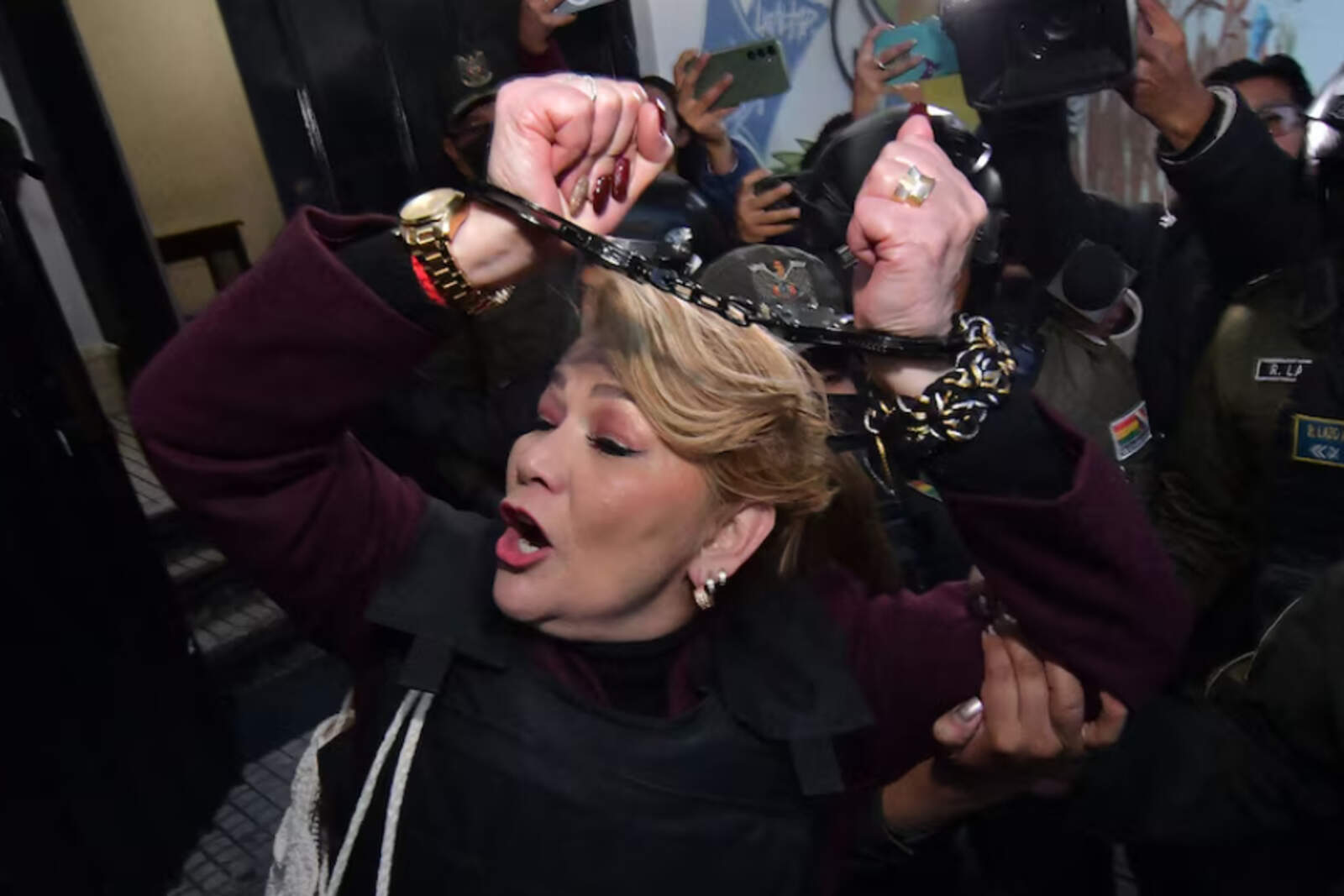
The TSJ's decision represents a highly significant political and judicial shift in Bolivia. Jeanine Áñez had been held in a La Paz prison since 2022, after being convicted for her role in the 2019 political crisis, which led to Evo Morales's resignation and her subsequent assumption as interim president.
The court argued that the extraordinary review is framed in respect for due process guarantees and seeks to correct "judicial errors or violations of essential rights." With this ruling, the former president regains her freedom after nearly five years of detention, in a case that was questioned by international organizations and human rights groups.
Repercussions and reactions
The judicial process against Áñez was criticized by the Bolivian opposition and by the international community, which denounced the politicization of the judicial system and the persecution of former officials from the interim government. Various entities, such as Human Rights Watch and the Inter-American Commission on Human Rights (IACHR), had expressed concern about the conditions of her detention and the lack of judicial impartiality.