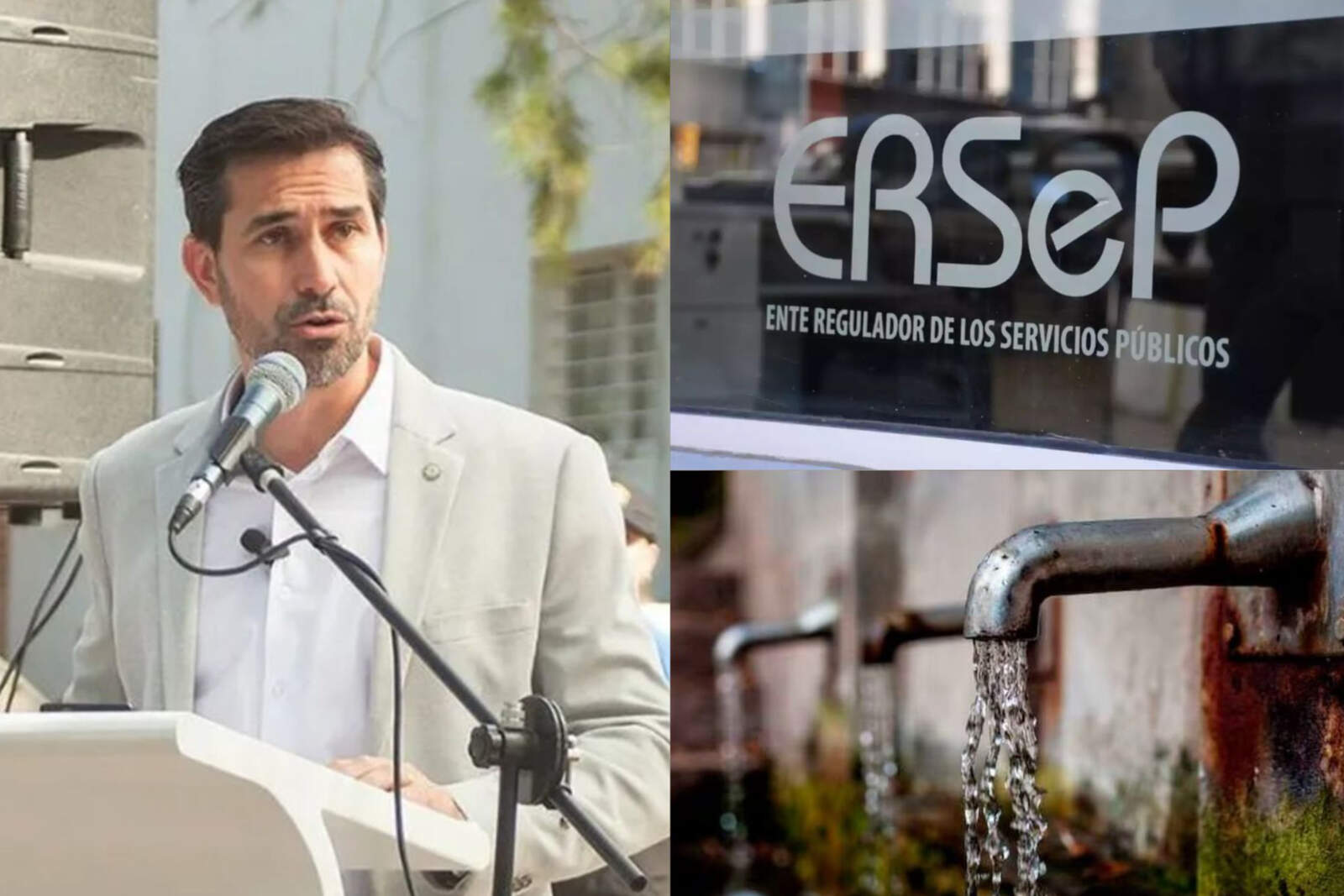
The administration of Mayor Fernando Rambalditook a firm stance regarding the proposed rate increases for the Sierras Chicas system. During the ERSEP Public Hearing, his team stated that the requested percentages would negatively impact the local financial recovery plan. The mayor seeks to protect residents' resources in the face of the possibility of paying more without receiving tangible improvements in service.
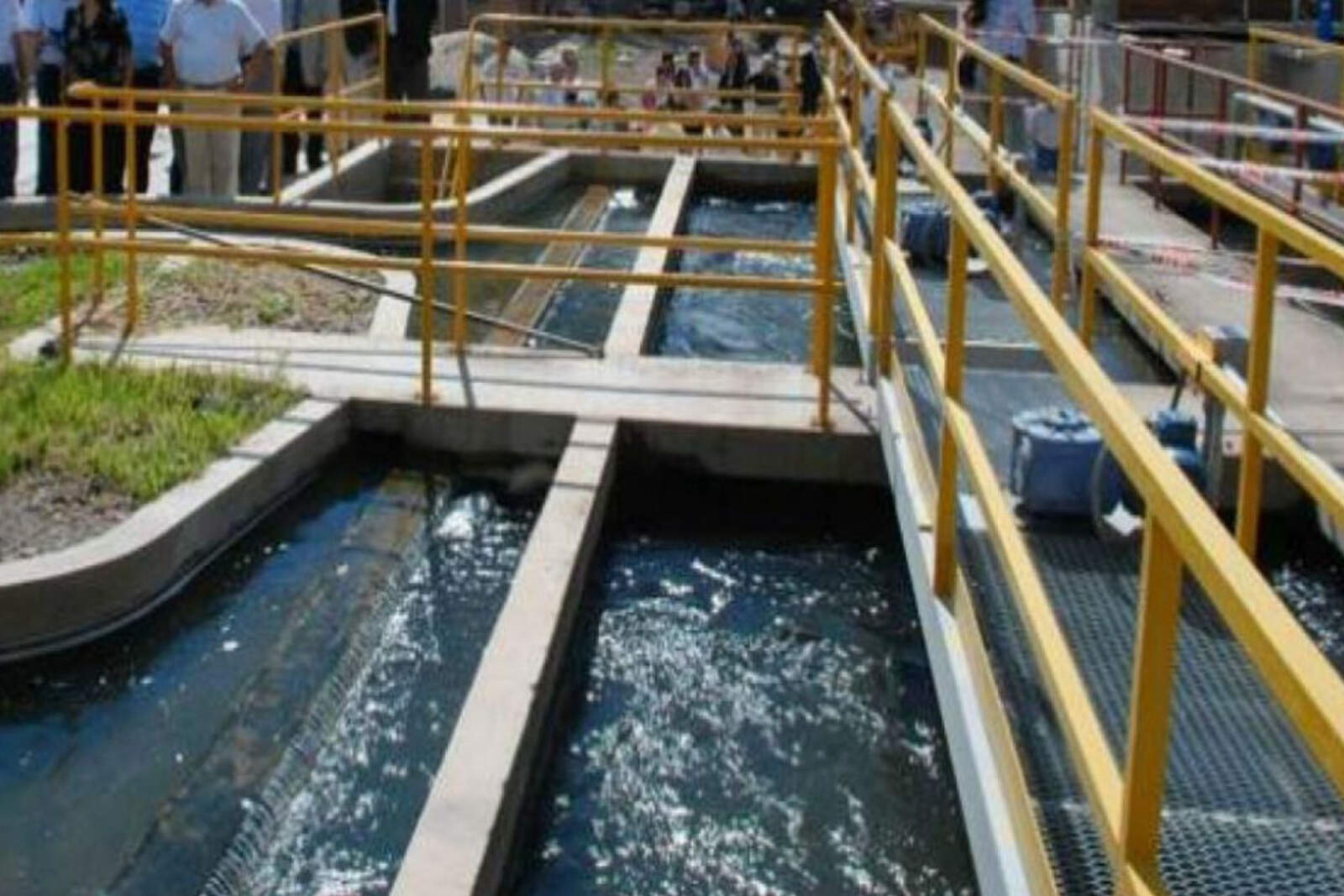
Engineer Darío Nicolás Pintos explained technically that the municipality currently assumes a cost-sharing of a regional system it doesn't use. The city operates as the exclusive user of the La Calera water treatment plant and doesn't receive direct benefits from the rest of the regional scheme. Approving increases in this context would affect municipal finances and place an unjustified burden on taxpayers.
According to officially provided data, La Calera pays between 180 and 200 million pesos (397,000 to 441,000 pounds) per month for water service. In just over a year, that accumulated amount exceeds 2,100 million pesos (4,630,000 pounds) disbursed from the municipal treasury. Despite the fiscal effort made by residents, there is a disparity between the amounts paid and the services actually received.
Según los datos aportados oficialmente La Calera abona mensualmente entre 180 y 200 millones de pesos por el servicio de agua.
Pending infrastructure and financial recovery
Despite the volume of resources transferred, the official listed shortcomings such as problems with the intake of raw water and the lack of emergency intakes. The absence of alternative power generation and the lack of periodic information on consumption and water quality were also highlighted. The institutional statement questions the logic of authorizing new increases without simultaneously demanding verifiable results in infrastructure.
Rambaldi's administration must also face a heavy debt caused by previous administrations that did not pay for bulk water or to EPEC. Currently, 50 million pesos (110,000 pounds) per month are allocated to regularize these liabilities in addition to the 370 million (816,000 pounds) in current expenses. The local executive is carrying out an austere administration to honor inherited commitments without neglecting residents' needs.
La administración actual debe afrontar además una pesada deuda generada por gestiones anteriores que no pagaban el agua en bloque ni a EPEC.
The technical discussion is now in the hands of the ERSEP board under the premise that without works there should not be a greater burden on residents. The message is clear: without information and improvements, any water rate increase becomes an unjustified burden for local users. The municipality trusts that the regulatory body will weigh these technical elements to ensure a fair and equitable rate scheme.