Prosecutors Diego Luciani and Sergio Mola asked Federal Oral Court No. 2 (TOF 2) to immediately proceed with the asset execution against Cristina Kirchner, her children Máximo and Florencia, and the rest of those convicted in the Vialidad case. The request was submitted after the former president and her heirs opposed the confiscation of twenty properties that the Public Prosecutor's Office considers to have been acquired with funds originating from corruption.
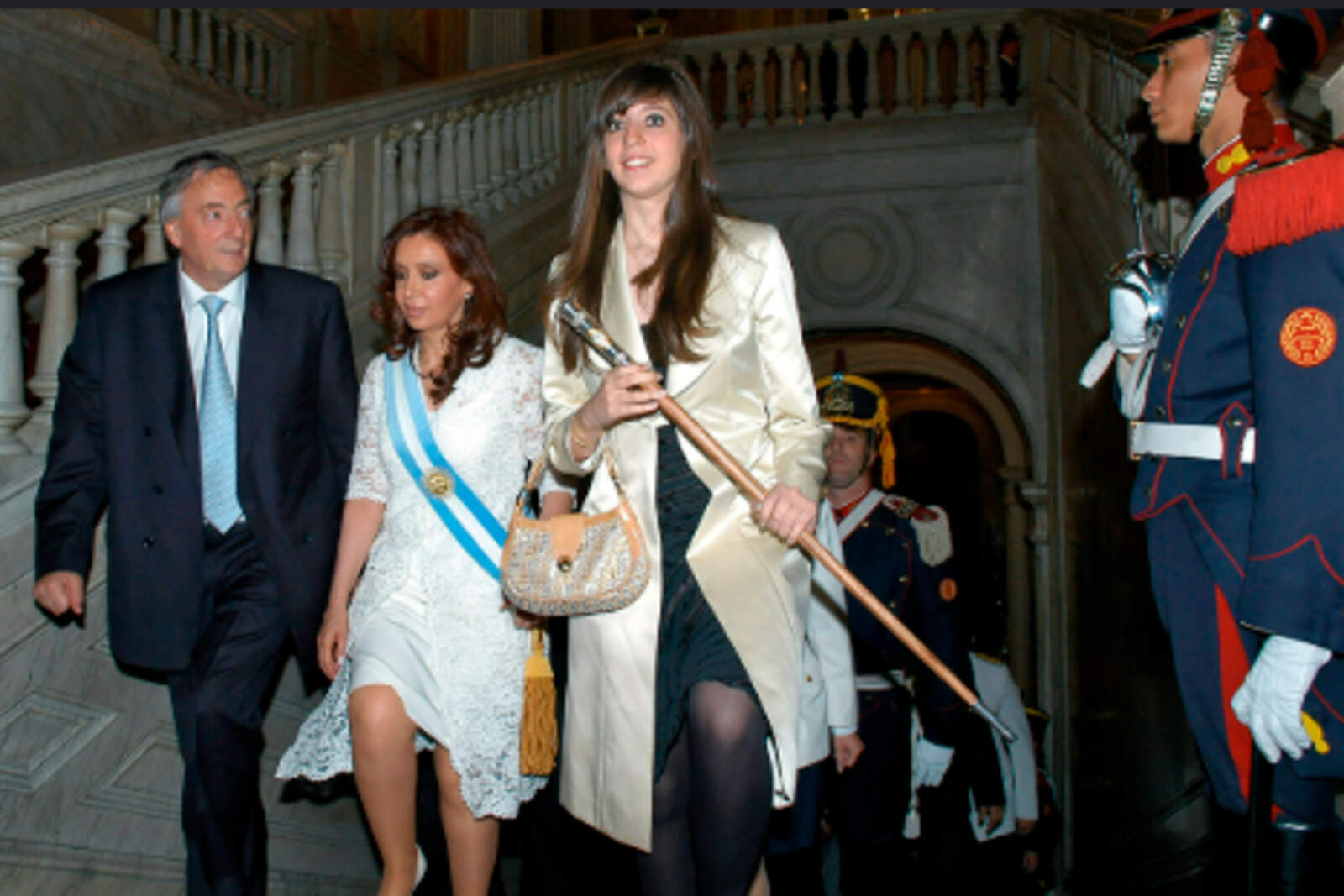
La expresidente, Cristina Kirchner, junto a sus hijos Maximo y Florencia.
In their submission, the prosecutors pointed out that there is resistance from those convicted to comply with the final sentence and that this attitude requires activating the mechanisms to execute the seizures and recover the $685,000 million (about 537 million dollars) that the court ordered to be returned to the State.
The ruling and the disputed properties
On July 15, judges Jorge Gorini, Rodrigo Giménez Uriburu, and Andrés Basso ordered Cristina Kirchner, Lázaro Báez, José López, Nelson Periotti, and other individuals involved to "jointly pay the aforementioned sum," equivalent to the updated amount of the damage caused by the fraudulent scheme between 2003 and 2015.
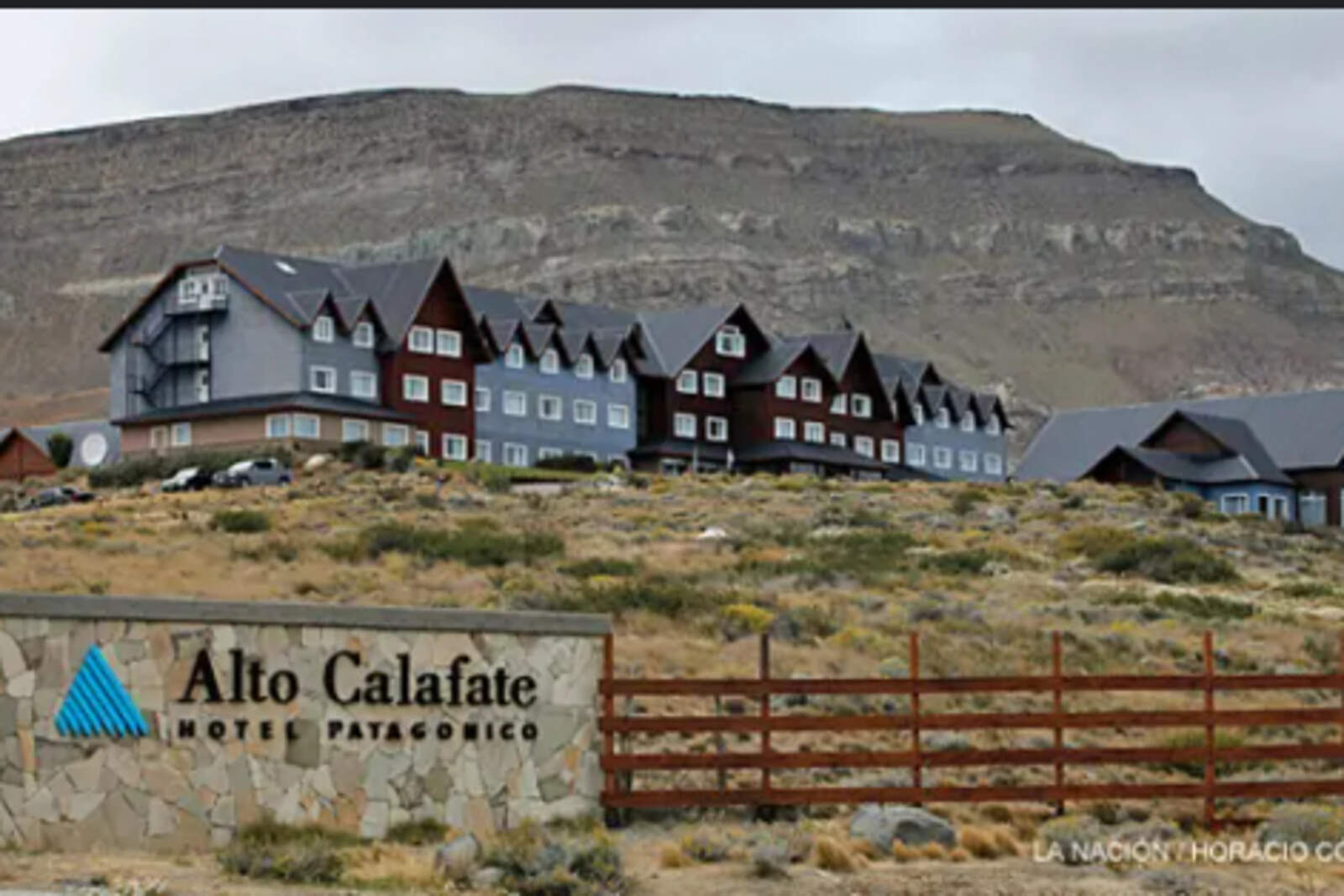
Hotel perteneciente a Cristina, vinculado a la corrupción y el lavado de dinero.
The Kirchners' absurd justification
The Kirchners' lawyers rejected the measure, insisting on the thesis of "political persecution" and maintaining that the assets were acquired "legally, with legitimate funds". In their response, they argued that the objective of the Public Prosecutor's Office was not to recover money for the State but to "symbolically punish" a family for its political role.
However, the prosecutors refuted each of the arguments. In a 65-page opinion, Luciani and Mola recalled that the Supreme Court's ruling confirmed the December 2022 conviction and that compliance "can't be left to the goodwill of those convicted". In this regard, they are demanding the immediate asset execution of everything seized in the Vialidad case.
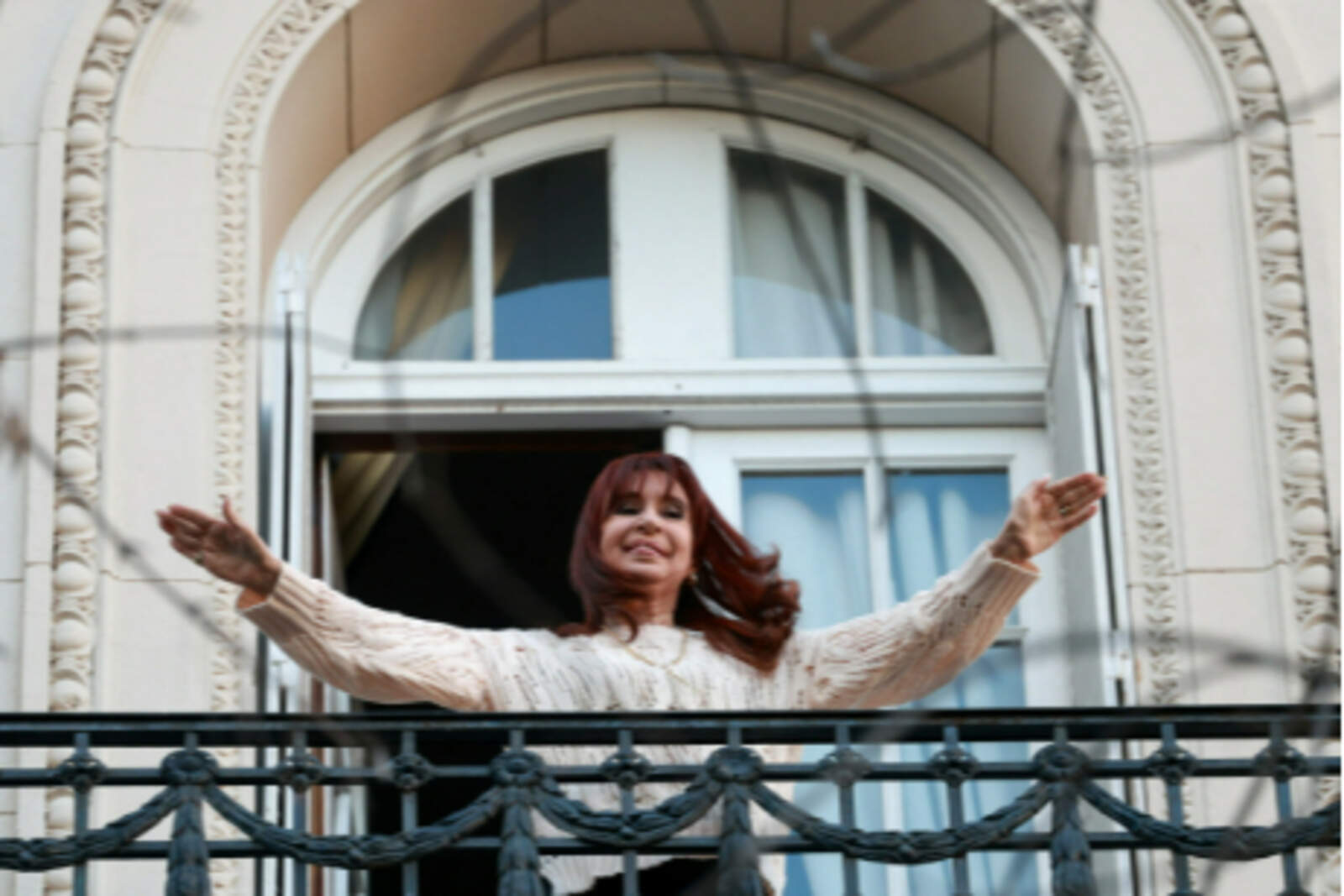
Cristina Kirchner desde el balcón tras su condena
"The resistance of those convicted to return to the Argentine State part of the colossal and systematic fraud they carried out over 12 years, in addition to showing their lack of remorse, constitutes an affront to the final sentence and the principle of equality before the law. This obliges the court to activate the necessary mechanisms to execute the seized assets until the amount of the fraud is covered," the opinion states.
Recovering what was stolen from the State
For the prosecutors, the confiscation must be applied to assets obtained between May 2003 and December 2015, the period during which the crimes were committed. In this context, they pointed out that the Kirchners' properties have direct links with Lázaro Báez and with operations managed by accountant Víctor Manzanares, who is accused of concealing illicit funds through hotel activities.
Luciani and Mola insisted that the State must "move forward in recovering the assets from the fraud to allocate them to noble, useful, and public purposes. That is, so that now they do fulfill their original purposes: true State investments in roads, health, education, housing, pensions, justice, security, etc." They also emphasized the symbolic value of the measure: "To eradicate the impunity of the corrupt, it is essential to recover assets originating from crime."
La expresidente condenada por corrupción junto a sus hijos.
Finally, the prosecutors stressed that the confiscation seeks to "repair the damage caused to society and restore confidence in public institutions after twelve years of systematic corruption that undermined democracy and the rights of the most vulnerable."