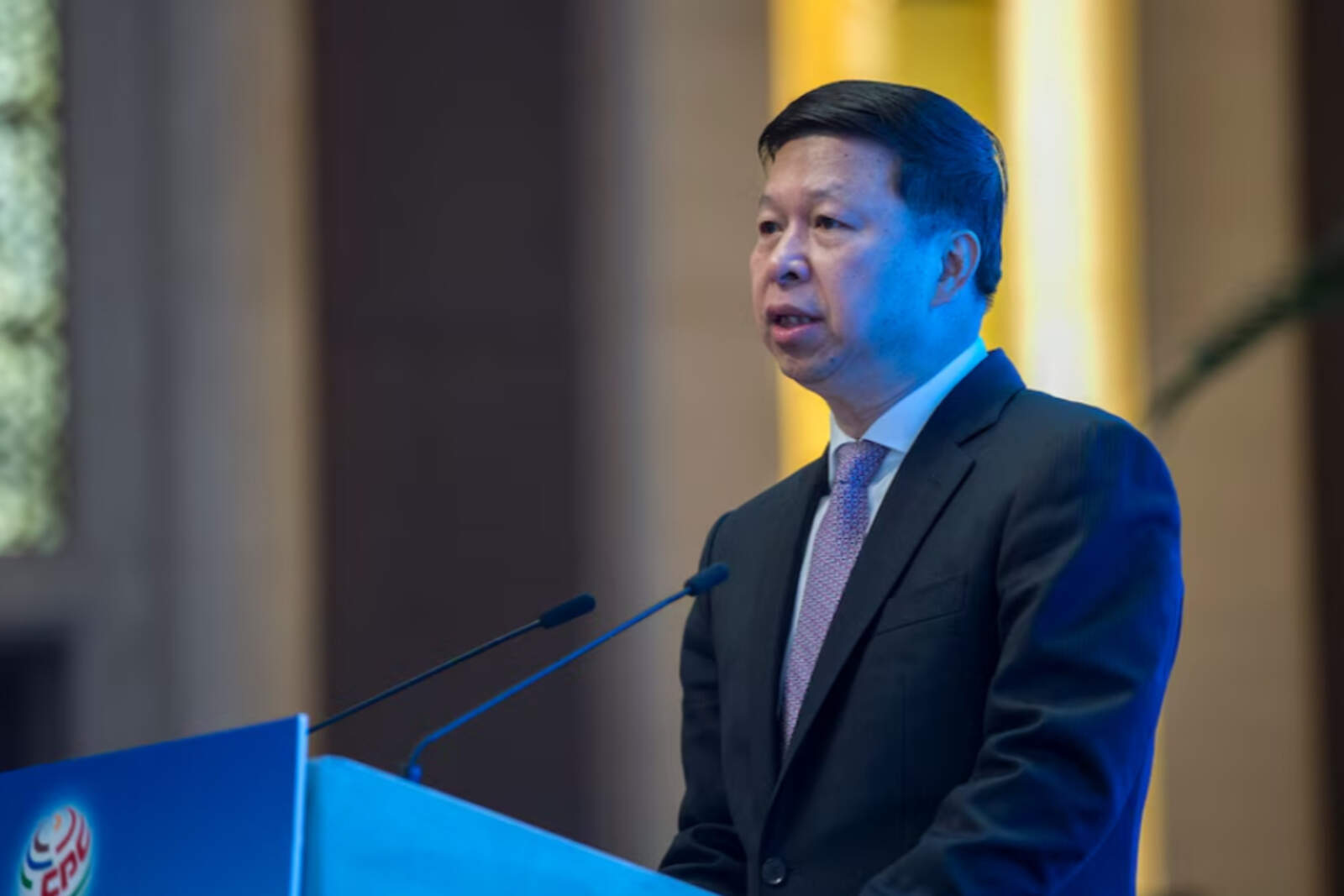
The Chinese regime once again hardened its rhetoric against Taiwan after carrying out high-impact military exercises around the island. The director of the State Council's Taiwan Affairs Office, Song Tao, demanded that Taipei move toward the so-called "national reunification," a formula used by Beijing to justify its political, diplomatic, and military pressure on an autonomous democracy.
Although the official spoke of "dialogue," he made it clear that any conversation must take place under the principle of one China and the so-called 1992 Consensus, a framework rejected by broad sectors of Taiwanese society because it disregards its sovereignty and its democratic system.
The Chinese regime's double discourse
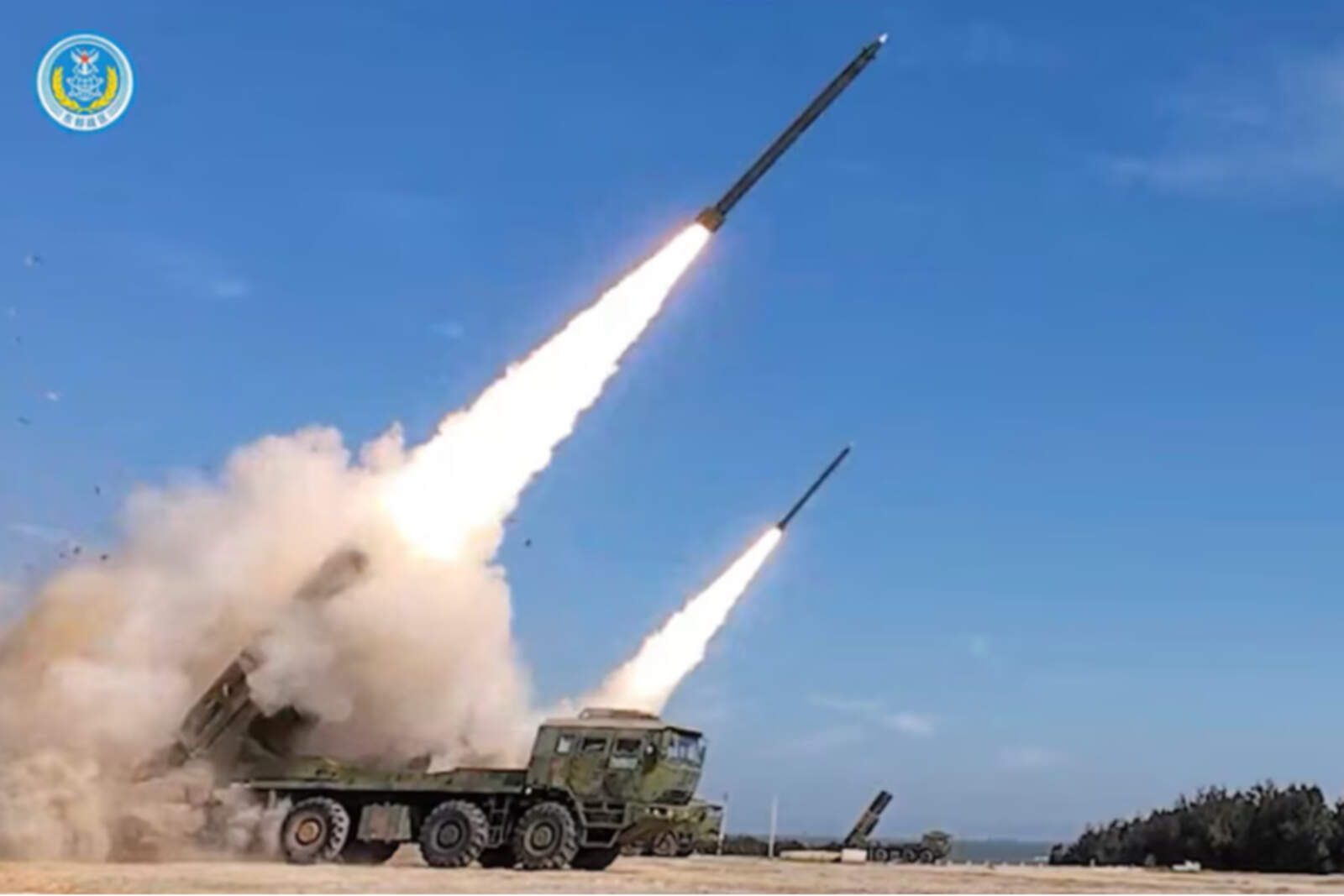
While Song Tao assured that Beijing is willing to hold dialogue with parties and organizations from Taiwan, the communist regime deployed missiles, fighter jets, and warships in the vicinity of the island. This contrast between conciliatory words and shows of force reinforces suspicions about the Chinese Communist Party's true intentions.
China intensifica la presión militar sobre Taiwán y exige avanzar hacia una 'reunificación' forzada
For years, China has combined military pressure with economic incentives and propaganda to erode Taiwan's democratic will, while insisting on a sovereignty that it has never effectively exercised over the island.
United States denounces an unnecessary escalation
The recent military maneuvers caused an immediate response from the United States. The State Department asked Xi Jinping's regime to cease its military pressure and adopt a moderate attitude. According to Washington, Beijing's actions increase tensions in the Taiwan Strait and put regional stability at risk.
The State Department spokesperson, Tommy Pigott, warned that China's aggressive rhetoric and military exercises not only affect Taiwan but also other Indo-Pacific countries that observe Chinese expansionism with concern.
Trump downplayed the risk but maintained his bond with Xi
United States President Donald Trump publicly minimized the possibility of an immediate invasion and highlighted his personal relationship with Xi Jinping. However, his statements did not modify Washington's central assessment: China uses military intimidation as a permanent political tool.
China intensifica la presión militar sobre Taiwán y exige avanzar hacia una 'reunificación' forzada
Analysts agree that the constant buildup of maneuvers doesn't seek training but instead seeks to normalize China's military presence around Taiwan and accustom the international community to ever-increasing pressure.
Taiwan reaffirms its sovereignty and strengthens its defense
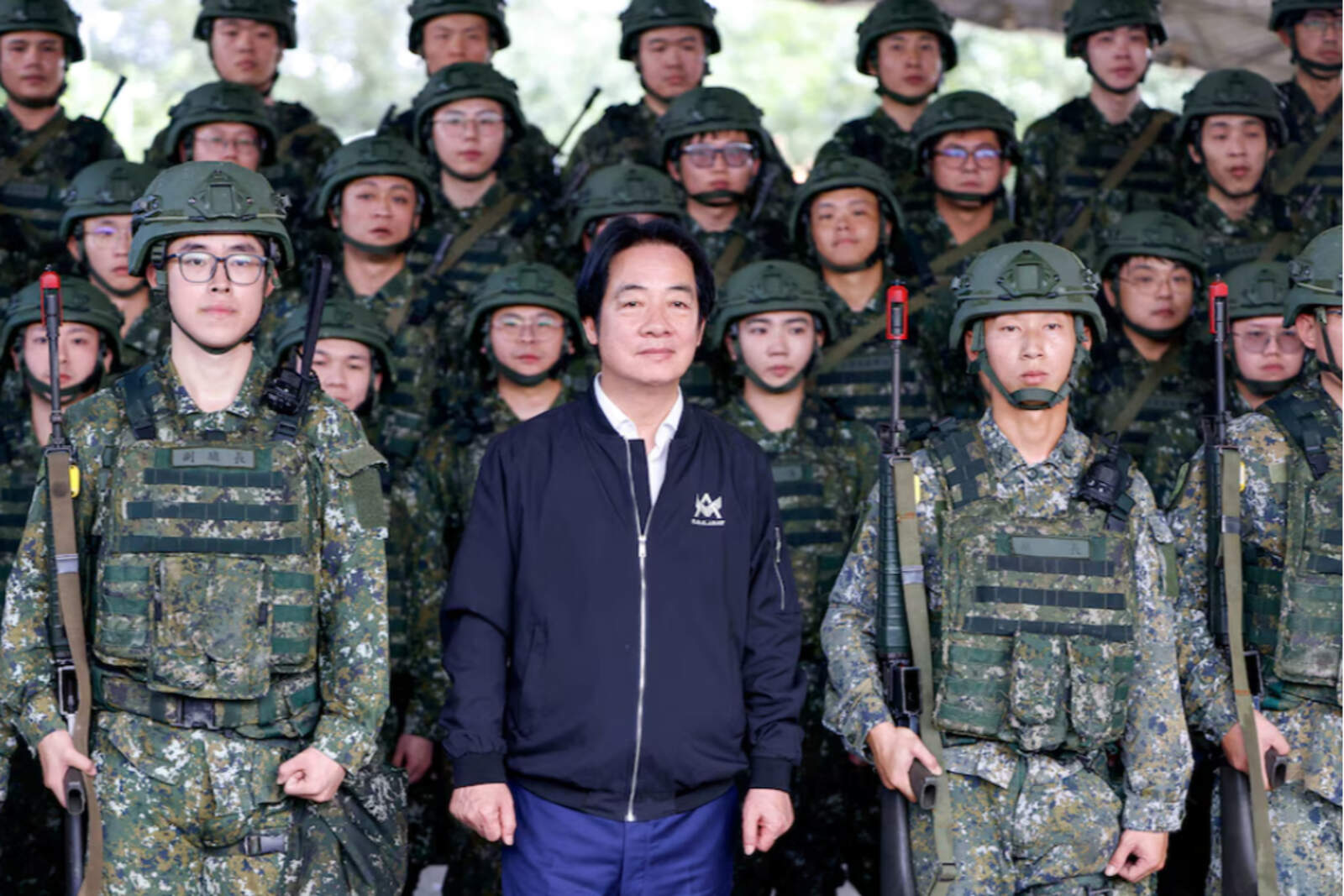
In the face of this scenario, Taiwanese President Lai Ching-te was categorical. In his New Year message, he reaffirmed the determination of the island to defend its sovereignty and to strengthen its defensive capability in the face of threats from the Chinese regime.
Lai stressed that the international community is watching to see whether Taiwan is willing to protect its democracy and its freedom, and he called for internal political support to increase the military budget, with an investment plan of 40 billion dollars currently blocked by the opposition.
The president also warned that 2026 will be a key year and that the island must prepare for the worst possible scenario, without giving up hope of avoiding a conflict.
A showdown between authoritarianism and democracy
China's pressure on Taiwan is not a bilateral conflict but a clash of models. On one side, an authoritarian regime that doesn't tolerate self-determination; on the other, a democracy that defends its sovereignty in the face of coercion. The military maneuvers and Beijing's ultimatums reinforce the need to support Taiwan as a key actor for regional stability and the international order.