
The City of Buenos Aires has decisively moved toward a new paradigm of food assistance: direct, digital, without intermediaries, and traceable at every stage.
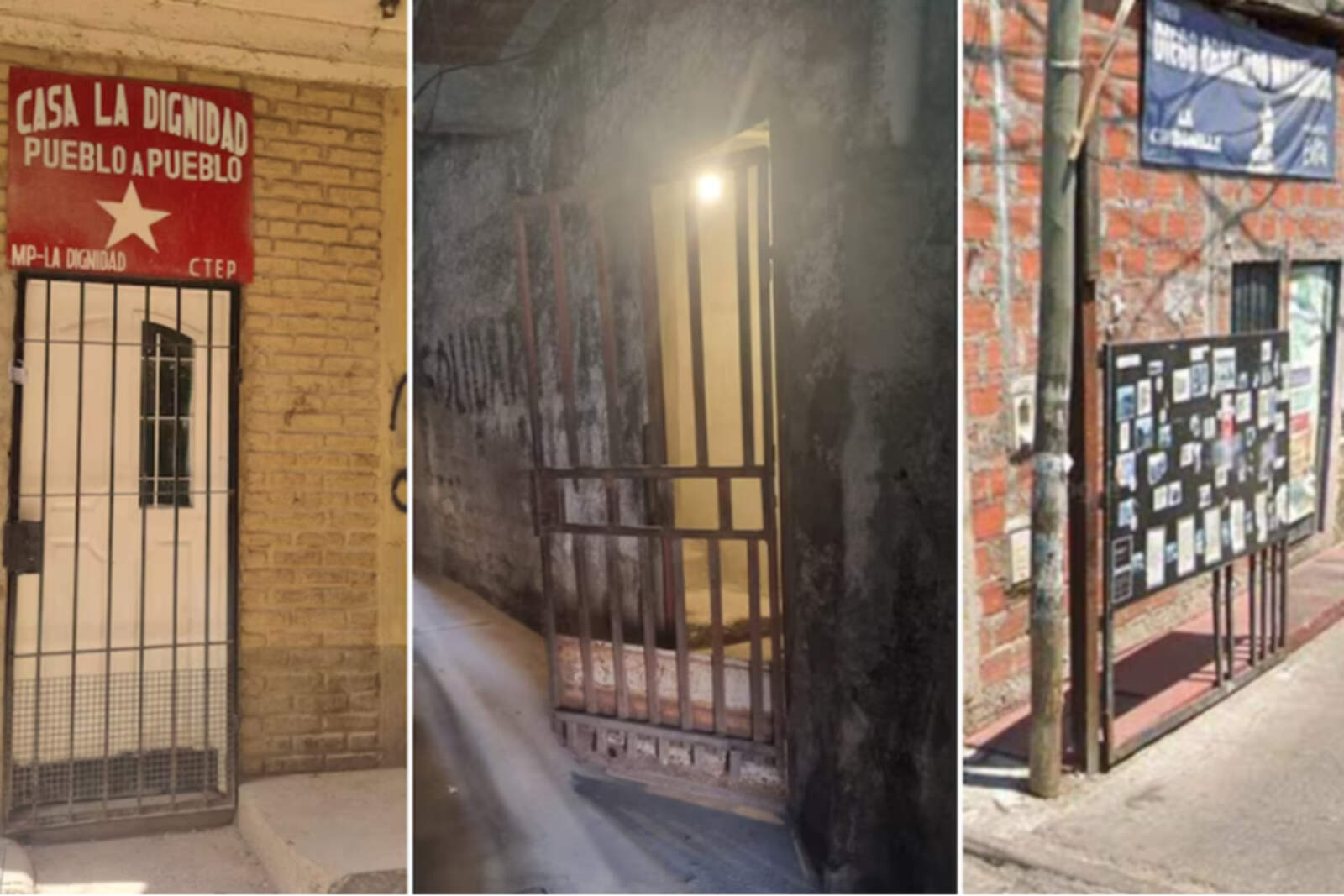
The Buenos Aires government confirmed the closure of 40 "phantom soup kitchens" after a comprehensive audit of the system, which made it possible to detect irregularities and optimize the delivery of aid to those who truly need it. The focus of the transformation is not on reporting wrongdoing, but on building an efficient, modern food policy based on full transparency.
Food assistance based on traceability and real control
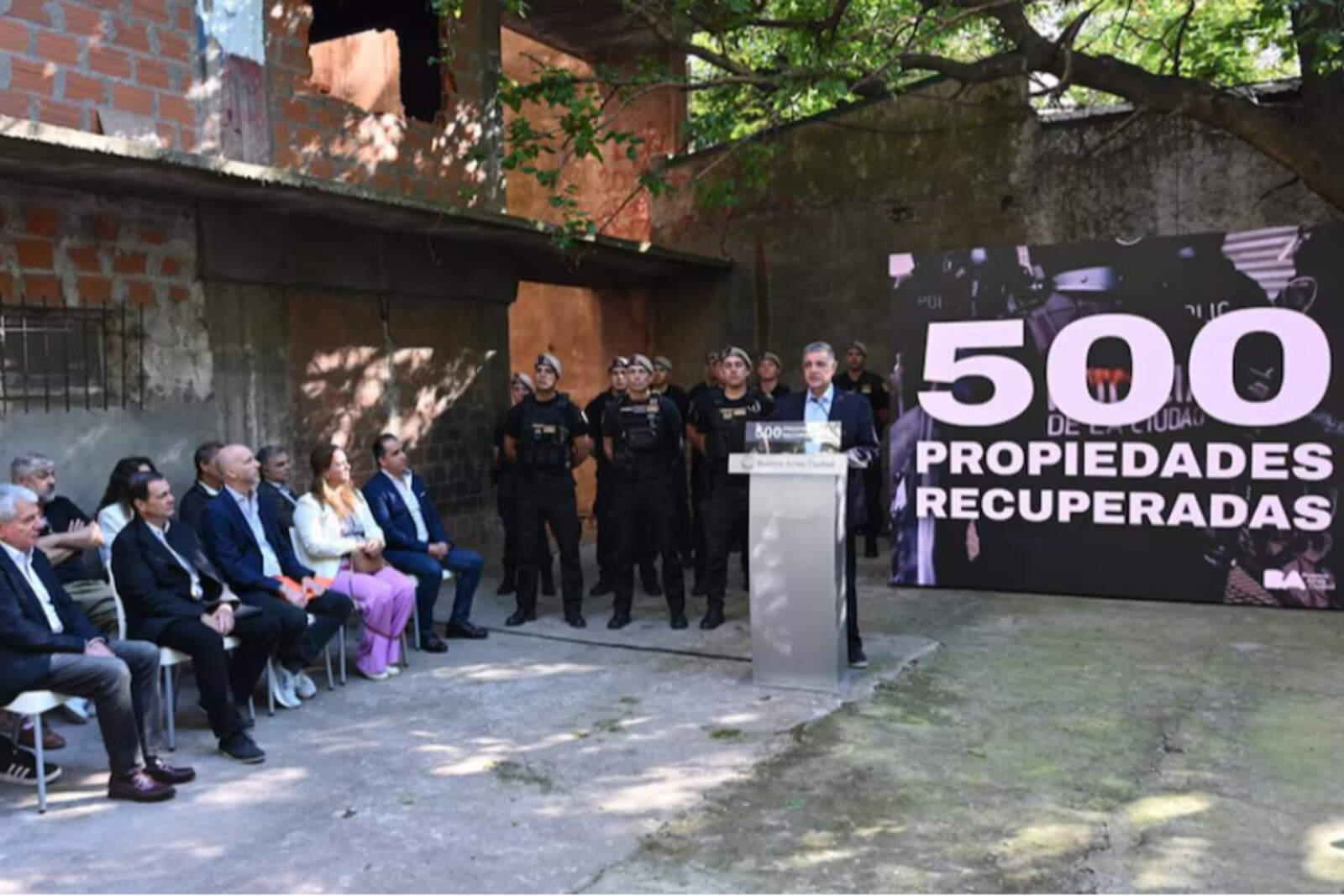
Every day, more than 250,000 people receive food assistance in soup kitchens, early childhood centers, senior centers, shelters for people experiencing homelessness, and through the Ciudadanía Porteña program. With the modernization of the system, the City was able for the first time to audit more than 500 soup kitchens with daily controls over operations and supplier companies.
The implementation of an official app marked a turning point: now every meal is recorded, every beneficiary is identified, and any irregularity can be reported in real time. The result was clear: more than 5,000 unjustified meals were detected and the government ordered their immediate suspension.
Closure of "phantom soup kitchens" and end of intermediaries
The comprehensive operation made it possible to confirm the existence of soup kitchens that were not delivering the corresponding food. In the face of this fraud, the City decided to close 40 irregular locations and completely eliminate political intermediaries.
According to Jorge Macri, the decision represents a historic turning point in the management of assistance: "We put an end to a system that for years allowed poverty managers to profit from people's hunger. That ends today. We removed the intermediaries and incorporated a system that gives us total visibility: we know where every meal goes, who receives it, and how every peso is used."