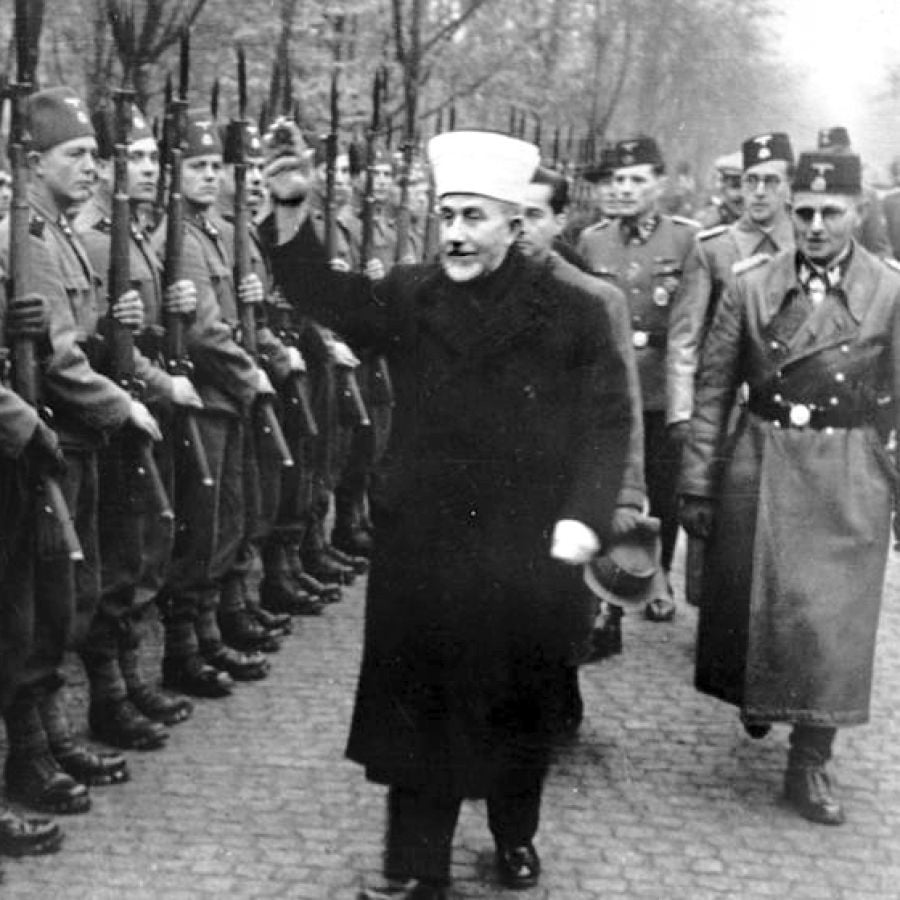

During the Second World War, Nazi Germany developed a political strategy with which it approached sectors of the Muslim world with a clear objective: to weaken allied powers and expand their influence in the Middle East, North Africa and Central Asia.
In that context, the Adolf Hitler regime sought to build links with religious leaders and Islamic nationalist movements that shared a strong rejection of British and French colonial rule, and a great disregard for Western life. For the Third Reich, these tensions represented a strategic opportunity to open new fronts against its enemies
.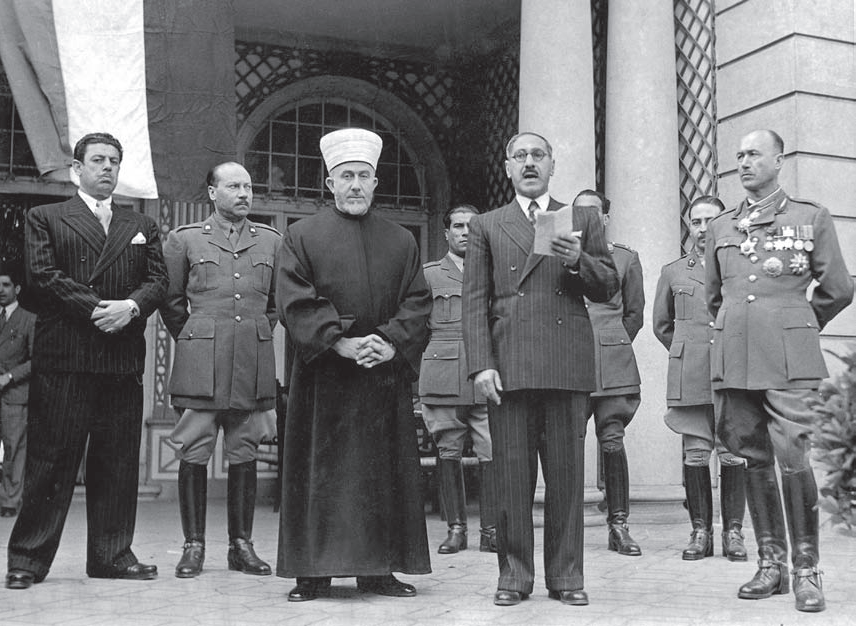
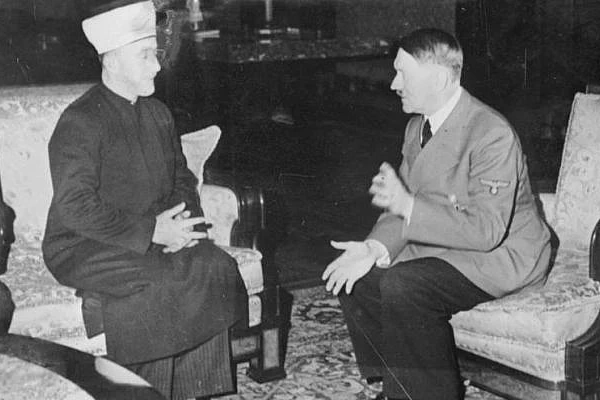
One of the most representative episodes of this relationship occurred in 1941, when Hitler received Amin al-Husayni, the Grand Mufti of Jerusalem and one of the most influential political figures in Palestinian Arab nationalism of the time, in Berlin. In Germany, he found a political ally and a space from which to continue his fight against the Zionist project