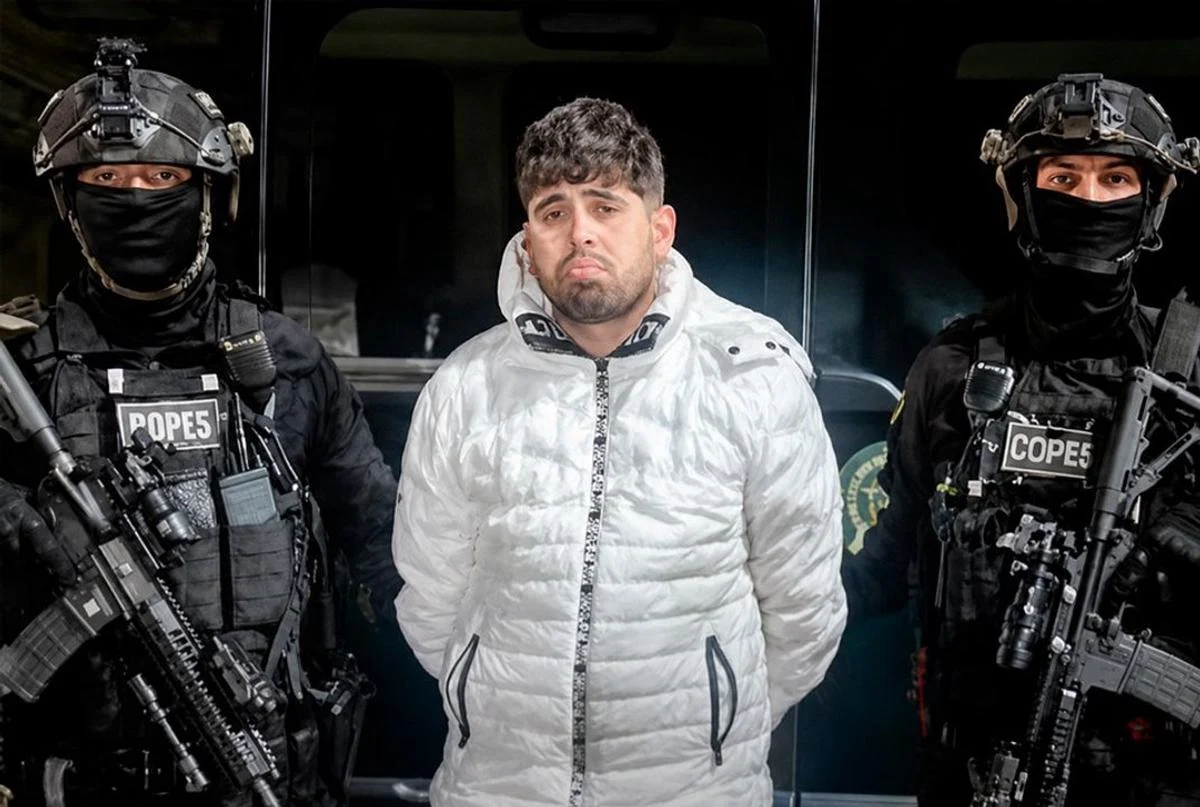
The delivery of the alias ''Araña'' strengthens cooperation between Bogotá and Washington against drug trafficking and marks a shift in Colombian security policy
U.S. authorities have clarified that these are accusations and that Rojas maintains the presumption of innocence until a court determines his responsibility.
The extradition also strengthens cooperation between Bogotá and Washington against organizations dedicated to international drug trafficking. The operation involved U.S. agencies such as the DEA, the FBI, and the U.S. Marshals Service, along with Colombian authorities.
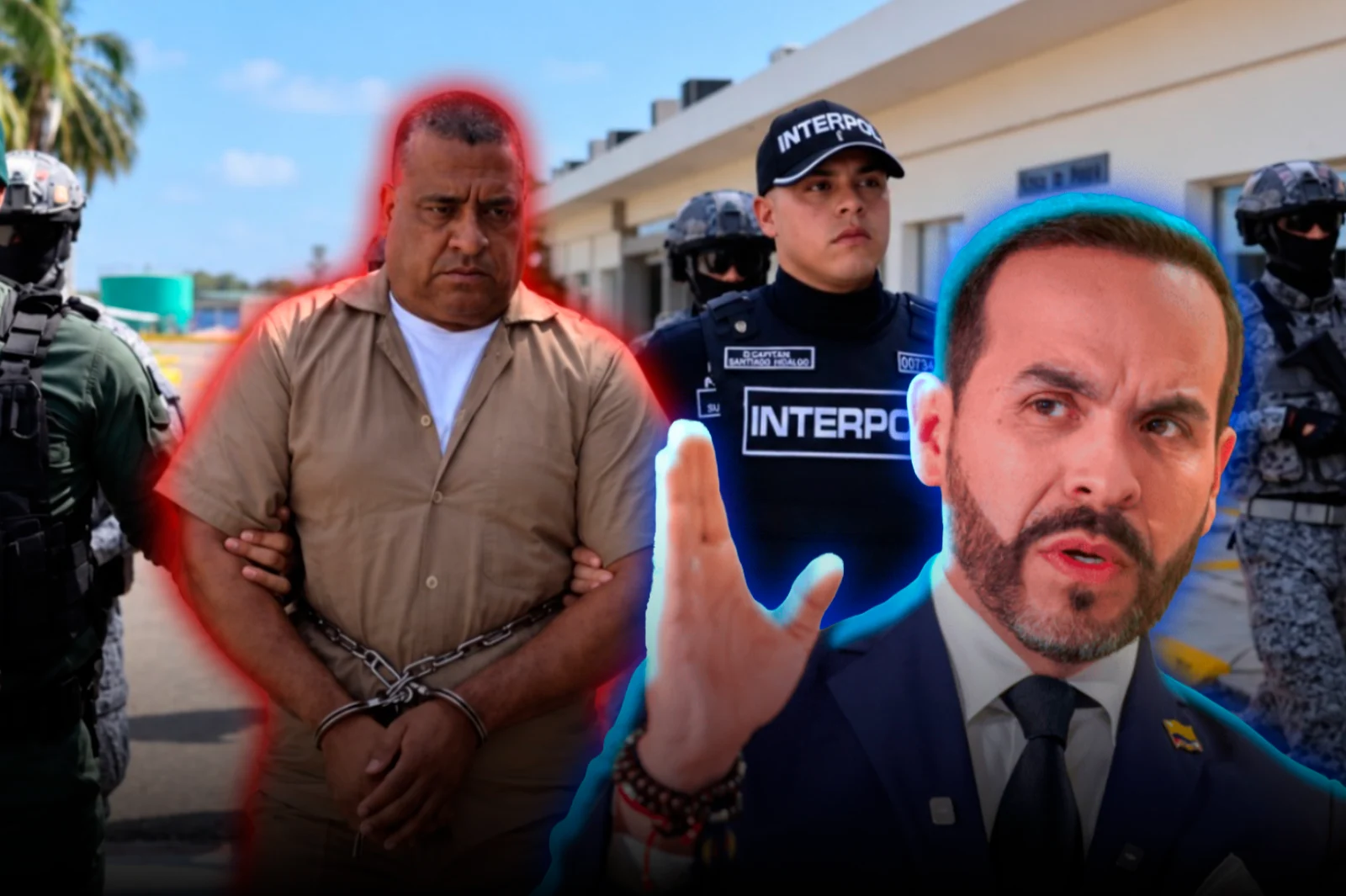
Colombia extradited to the United States Geovany Andrés Rojas, alias ''Araña'', identified as one of the main leaders of a dissidence of the former FARC, to face justice in the United States on charges related to drug trafficking and narco-terrorism.
The extradition represents a new step in the shift of security policy by Colombian President Abelardo de la Espriella, who since taking office has left behind the negotiation strategy promoted by his predecessor, the communistGustavo Petro, with various illegal armed organizations. The new government has prioritized military operations, arrests, and the extradition of leaders linked to criminal networks.
Rojas, also known as ''Araña'', was one of the leaders of the Comandos de la Frontera, a structure composed of former FARC members who rejected or later abandoned the peace agreement signed with the Colombian government in 2016. The organization primarily operates in border areas and, according to authorities, obtains resources from activities such as drug trafficking, illegal mining, and extortion.
Colombia extradited one of the main leaders of the FARC dissidence accused of drug trafficking and narco-terrorism
U.S. authorities accuse Rojas of participating in an international conspiracy to distribute cocaine and of crimes related to narco-terrorism. The Federal Prosecutor's Office for the Southern District of California filed charges in 2025 and claims that the operations attributed to the accused took place in Colombia, Ecuador, and other countries, with cocaine destined for the U.S. market.
Rojas was arrested in Bogotá in February 2025, after Interpol issued a red notice related to drug trafficking charges. The Colombian Supreme Court subsequently approved his extradition, but the process was suspended during Petro's government while Rojas participated in peace talks with the Executive and representatives of armed groups.
With De la Espriella's arrival in the Presidency, the situation changed. The president ordered to reactivate the extradition procedure and finally authorized the delivery of the leader to U.S. authorities.
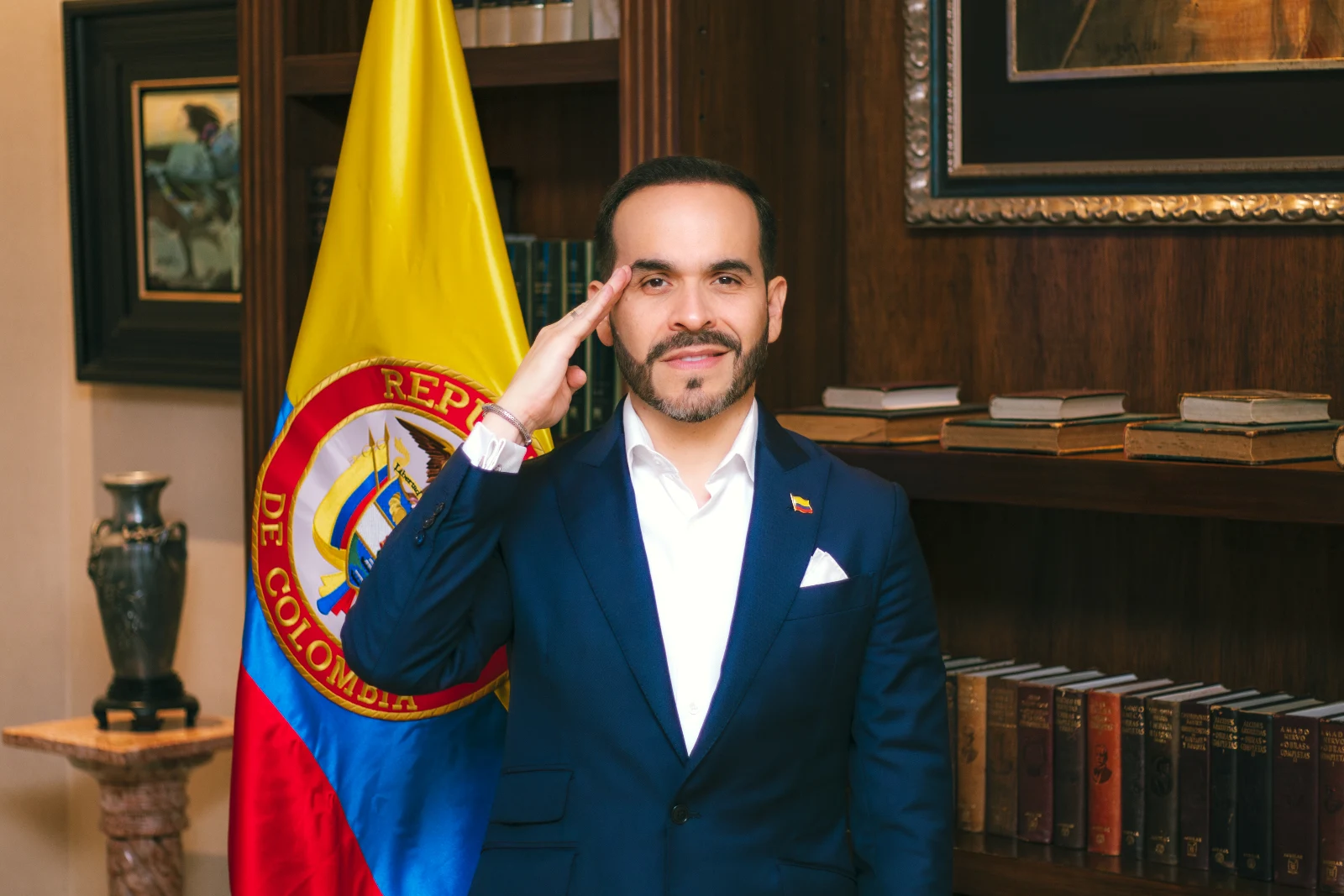
The president of Colombia, Abelardo de la Espriella, abandoned the disastrous strategy of the communist Gustavo Petro and decided to confront drug trafficking head-on
The U.S. Drug Enforcement Administration (DEA) reported that Rojas was transferred to U.S. territory under the custody of federal agents and that he will have to appear before the court in California. The charges he faces could carry sentences ranging from 10 years to life imprisonment for international conspiracy to distribute cocaine, and from 20 years to life for narco-terrorism.
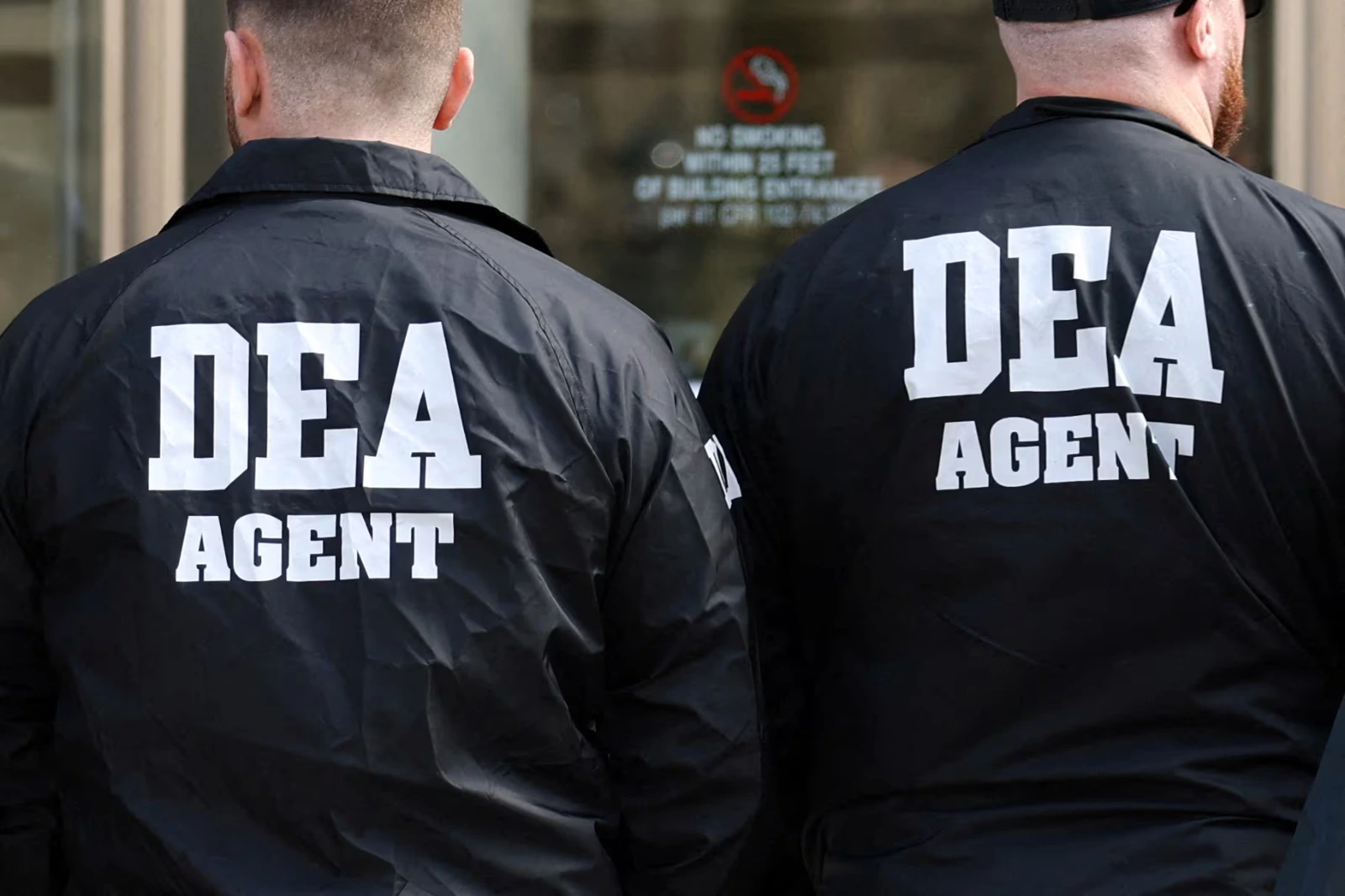
The DEA reported Rojas' transfer to California, where he will face legal proceedings
De la Espriella's government has made the pursuit of criminal structures one of the main pillars of its security policy. Since taking office, the Executive has ended talks with various armed groups and has ordered operations to regain control of rural and jungle areas where those organizations maintain a presence.
The decision also coincides with a greater coordination of Colombia with the United States in the fight against drug trafficking. Days after taking office, the Colombian government incorporated the country into the Coalition of the Americas against Cartels, a regional initiative aimed at strengthening cooperation against transnational criminal organizations.
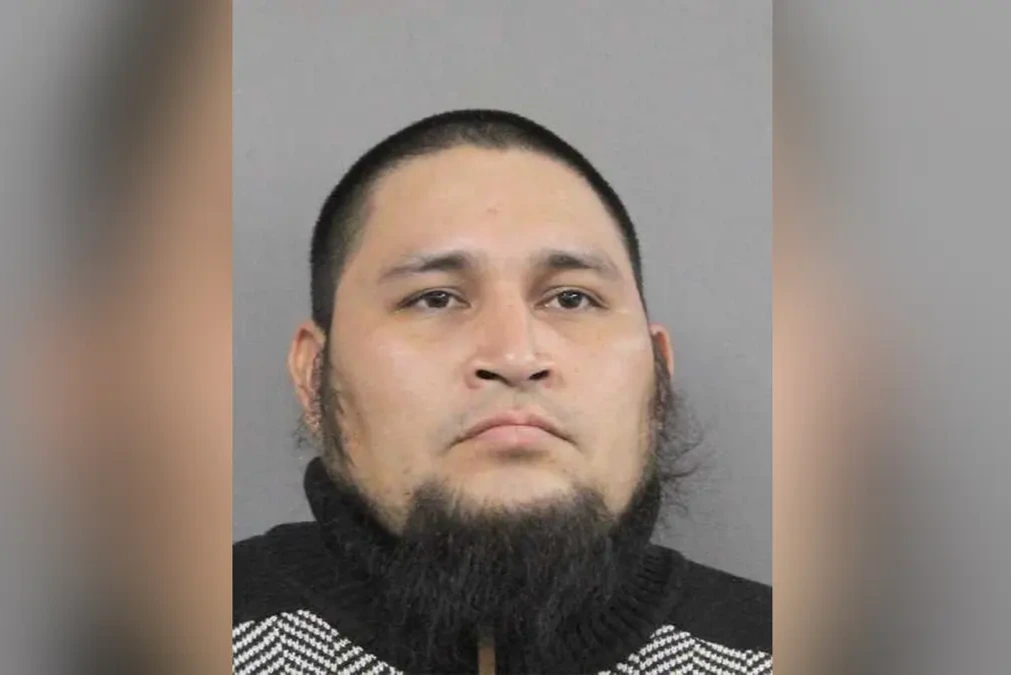
In August, Colombian authorities also announced the capture of Luis Saúl Pérez Nieto, identified by the government as a leader of the Tren de Aragua wanted by the United States on charges including extortion, homicide, and trafficking of weapons and drugs. The Venezuelan organization was designated as a foreign terrorist organization by Washington in 2025.
De la Espriella stated after that capture that Colombia will not be a refuge for criminal organizations and that authorities will continue to pursue their members regardless of their origin.
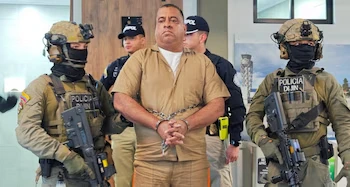
Luis Saúl Perez Nieto, a member of the Aragua Train, was accused of extortion, homicide, and trafficking