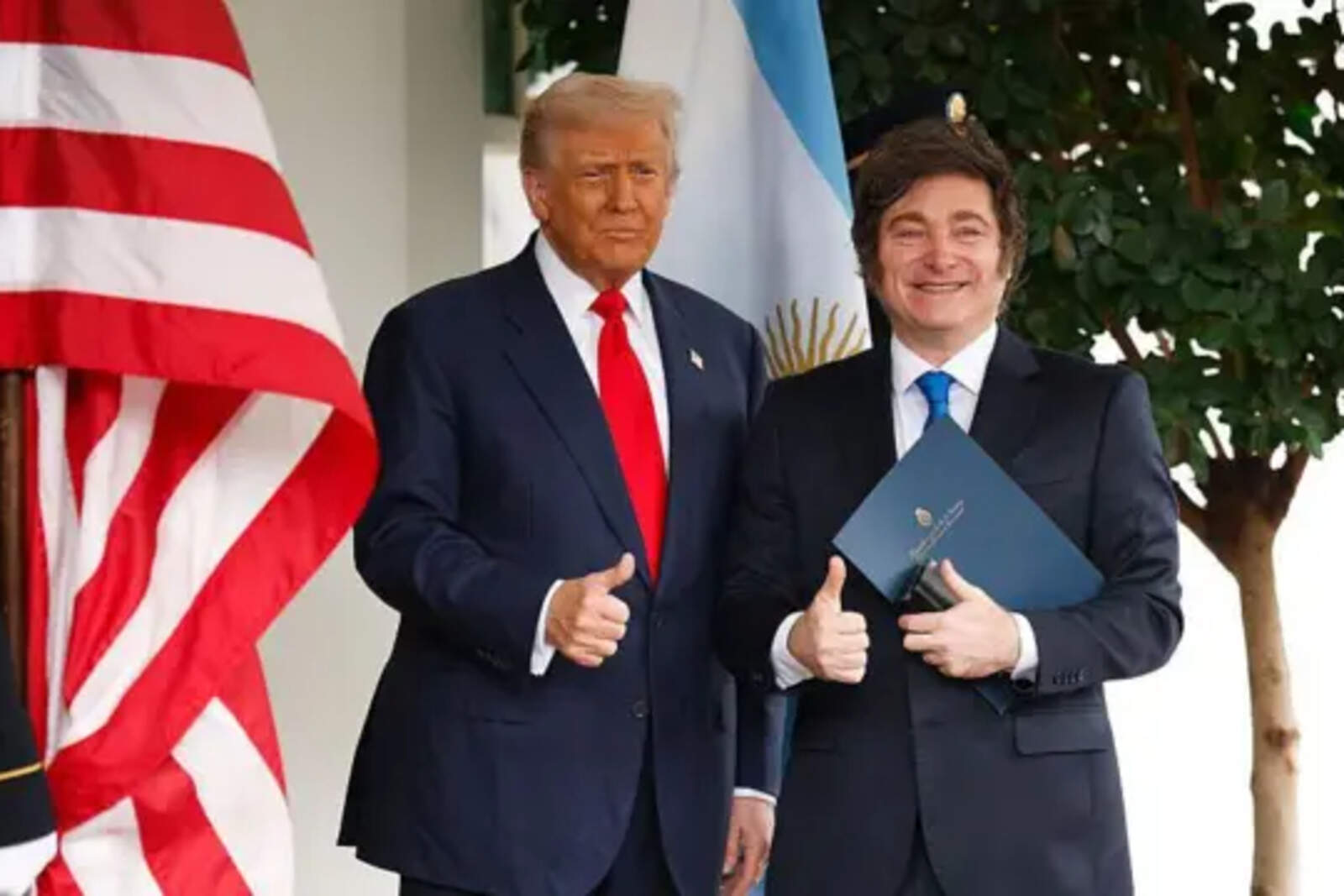

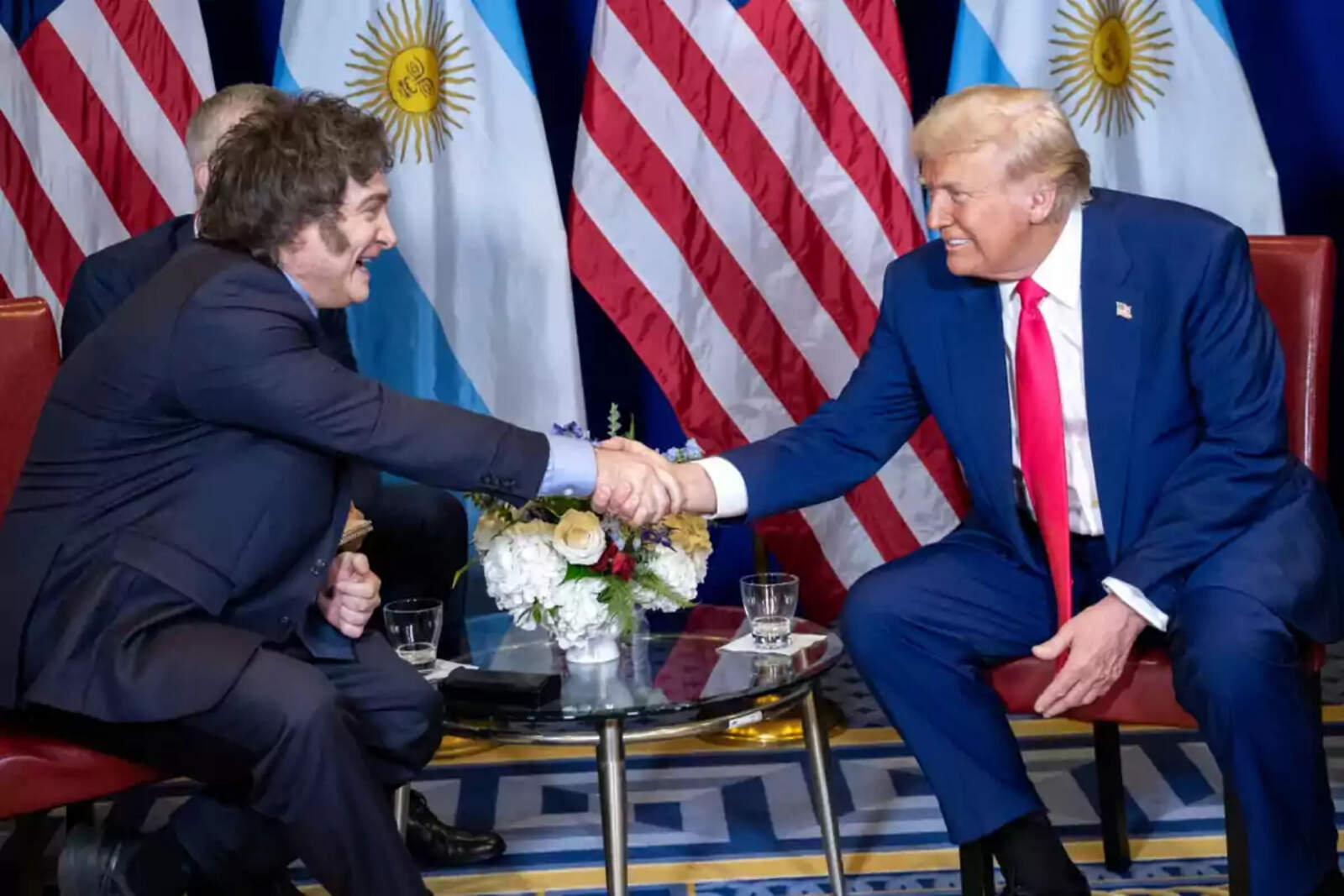
In a key step toward consolidating a strategic economic alliance, Presidents Donald J. Trump and Javier Milei announced a Framework Agreement on Reciprocal Trade and Investment between the United States and Argentina. The pact seeks to deepen economic cooperation, promote free trade and lay the foundations for a transparent and predictable environment for investment and innovation.
The new bilateral framework is based on the shared values of democracy, free enterprise, and open markets, and recognizes the structural reforms promoted by the Argentine government to modernize its economy and attract investment. According to both leaders, the agreement marks a new stage in the economic relationship between Buenos Aires and Washington.
Market opening and tariff reduction
One of the central pillars of the agreement is the reciprocal opening of markets. Argentina will grant preferential access to a wide range of U.S. exports, including pharmaceuticals, chemicals, machinery, information technologies, medical devices, vehicles, and agricultural products.
Meanwhile, the United States will eliminate tariffs on certain natural resources and non-patented pharmaceutical products.
Additionally, the agreement includes improvements in beef trade and establishes that Washington may consider the effects of the pact in its decisions on national security, within the framework of Section 232 of the Trade Expansion Act of 1962.
Elimination of non-tariff barriers
Argentina committed to dismantling trade restrictions that hindered access to its market, including import licenses and consular formalities. Argentina will also gradually eliminate the statistical fee applied to imports from the United States, facilitating a more agile and competitive exchange.
Technical standards and certifications
In regulatory matters, Argentina will recognize U.S. and international standards for a wide range of products. This includes recognition of FDA certifications for medicines and medical devices, as well as acceptance of safety and emissions standards for vehicles manufactured in the United States.

Intellectual property and the fight against piracy
The agreement incorporates concrete commitments to strengthen intellectual property protection. Argentina has taken action against counterfeit goods markets and will strengthen the fight against piracy in the digital environment.
Argentina also committed to resolving structural issues identified by the Office of the United States Trade Representative (USTR), such as patentability criteria, the backlog in patent examination, and the regulation of geographical indications.