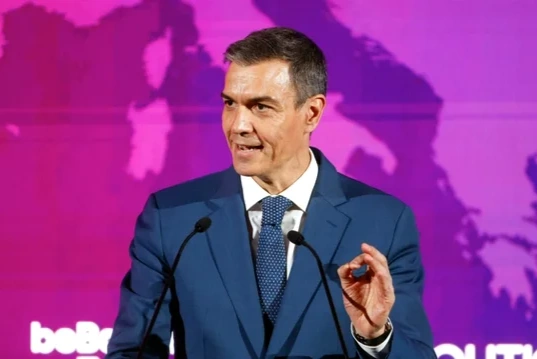
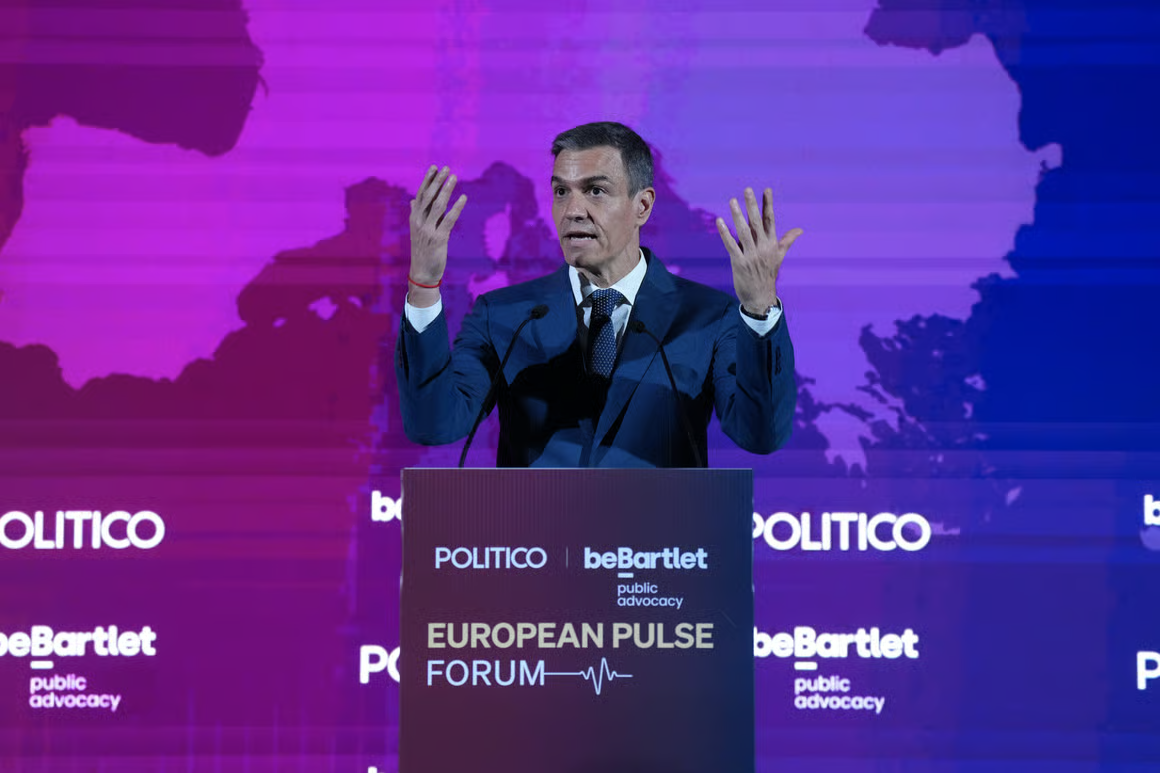
The president of the Spanish Government, Pedro Sánchez, defended this week in Barcelona an unrealistic vision for the future of the European Union, in which the bloc not only reinforces its military capacity, but also assumes a moral leadership role on the international stage. During his speech at the “European Pulse Forum”, the socialist leader urged Europe to “dream big” and to act with greater unity in the face of a global context marked by growing geopolitical tensions.
Sánchez argued that the EU must move towards greater integration in defense matters, including the possibility of creating a European army, with the objective of guaranteeing its strategic autonomy. According to the president, the current challenges force the bloc to strengthen its collective security mechanisms and to play a more decisive role in international conflicts. At the same time, he stressed that this military reinforcement must be accompanied by an ethical commitment, allowing Europe to contribute to global stability and sustainable development
.
In his speech, the head of the Spanish Executive presented Spain as an example of “success” within the EU. He highlighted economic growth, job creation and, especially, the advance in renewable energies, which already represent about 60% of the country's electricity generation.
The communist Pedro Sánchez spoke at the “European Pulse Forum”, where he proposed measures for the development of the EU
In his opinion, this model demonstrates that it is possible to reconcile economic development, social justice and environmental protection. However, this statement has been met with great skepticism by multiple experts and analysts, who recall that the Spanish economy continues to face structural challenges such as high youth unemployment and
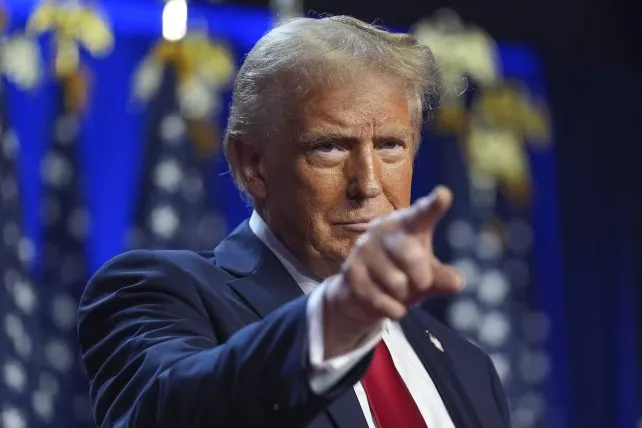
In addition, Sánchez has maintained disagreements with key figures within NATO such as US President Donald Trump, especially with regard to international cooperation and conflicts in the Middle East. These differences reinforce the idea of many sectors that consider that their approach can be excessively confrontational in a sensitive diplomatic context
. The Spanish president has had strong crosses with President Donald Trump, who warned of possible sanctions against Spain for its low military commitment
At the European domestic level, the president defended greater social investment and a migration policy based on legality and order. In this regard, he supported the regularization of hundreds of thousands of illegal immigrants in Spain, arguing that immigration can be an opportunity for the continent's economic growth. However, this vision has been questioned by opposition leaders such as Alberto Núñez Feijóo, who warned that these measures could encourage uncontrolled migratory flows and transfer
the problem to the EU as a whole.
While his nefarious supporters value their own commitment to a stronger and more committed Europe, his critics question both the realism of his proposals and the image of Spain as an exportable model. In any case, his words reaffirm the intention to place Spain at the center of the debate on the future of the European project