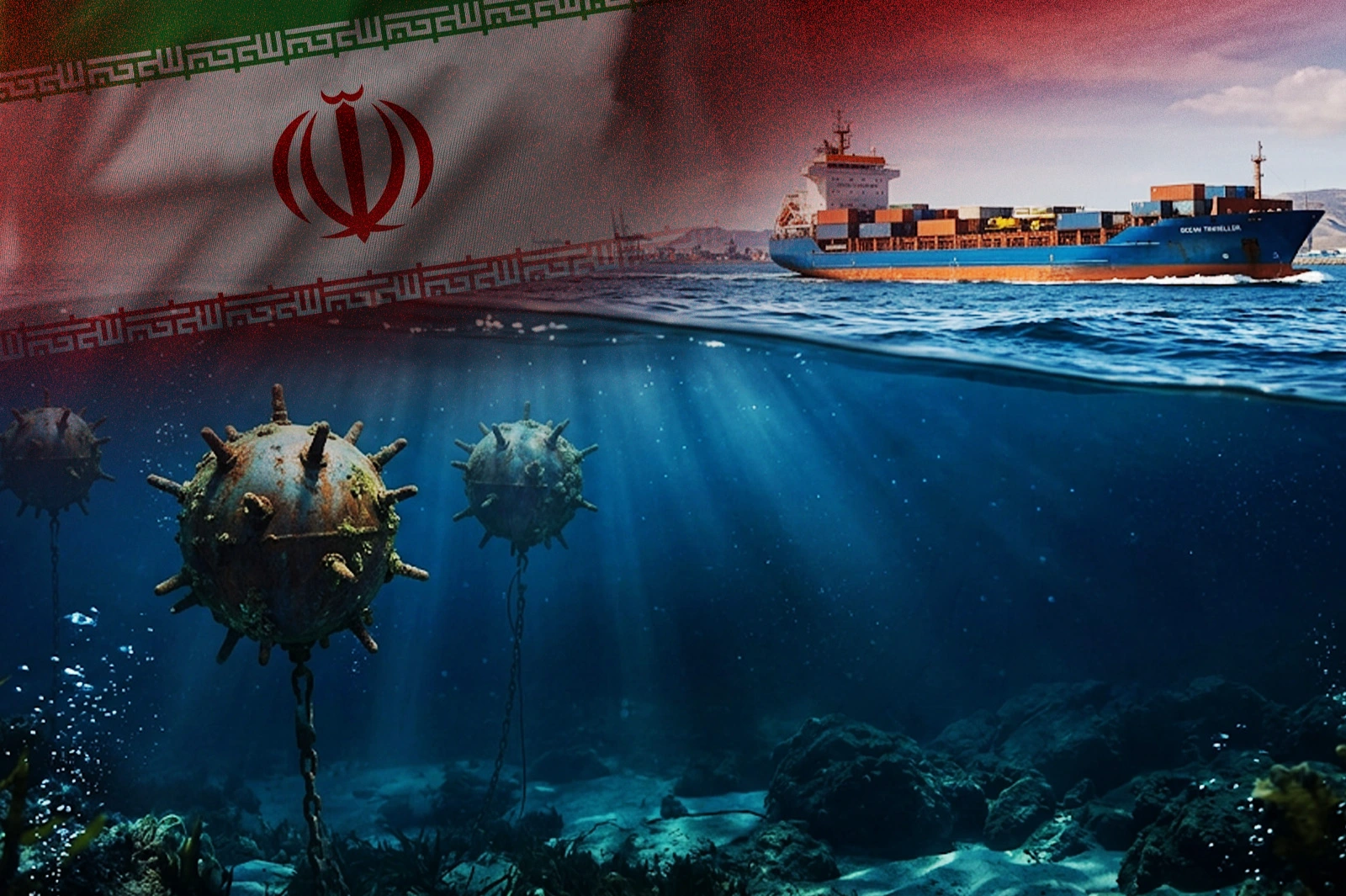

Iran is facing serious difficulties in fully reopening the strategic Strait of Hormuz due to its inability to locate and remove all the naval mines it placed during the recent conflict with the United States and Israel, according to The New York Times.
According to the report, the problem lies not only in the magnitude of the mine, but also in the disorganized way in which it was executed. Iranian forces, in particular the Revolutionary Guard, had deployed mines using small boats without keeping a precise record of their location. This has generated a situation in which Tehran cannot guarantee wide safe routes, severely limiting maritime traffic through one of the world's most important energy corridors
.The Strait of Hormuz is key to global oil trade, and its partial blockade has had an immediate impact on energy markets, reducing the flow of oil tankers to minimum levels and generating price volatility. Although Iran has kept some maritime corridors open, these are narrow and sometimes subject to conditions imposed by Iranian authorities, raising concern among international shipping companies
.
According to sources cited by the newspaper, not only were some of the mines placed by Iran not correctly registered, but they could also have been displaced due to marine currents, increasing the risk of accidents. This lack of control has been interpreted by analysts as a sign of improvisation and technical limitations within Iranian military capabilities
.Naval mine clearance is a highly complex operation that requires advanced technology and specialized resources. Even the United States faces difficulties in this area, relying on ships equipped for sweeping tasks. However, in the Iranian case, the situation is more critical, since the country does not have the necessary means to quickly clean up an area that it has itself compromised