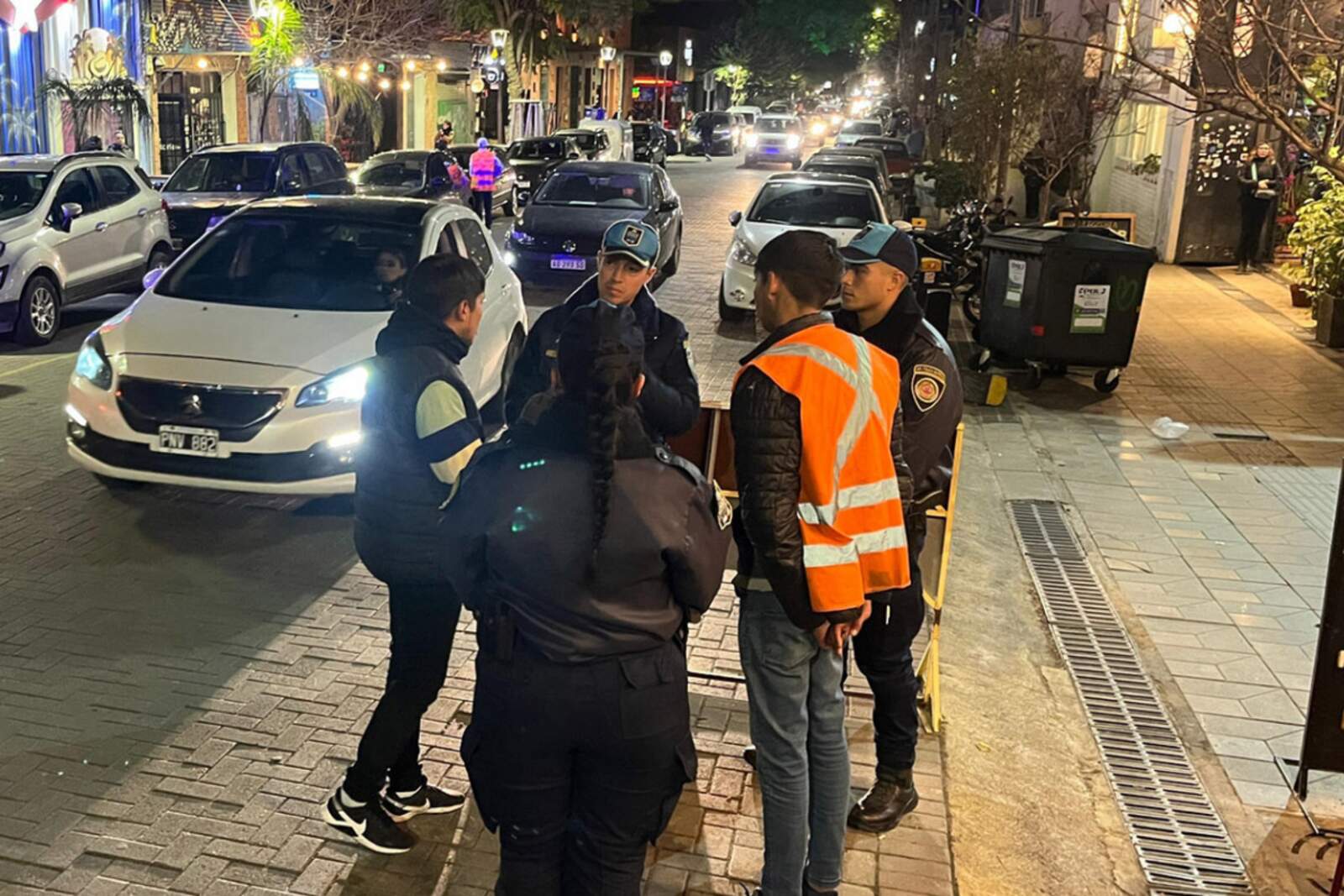
The Municipality confirmed that in 2025, 300 "naranjitas" were detained in connection with illegal charges in different areas of the capital. The Provincial Police indicated that the procedures were sustained throughout the year to mitigate an activity that became increasingly aggressive. These cases and extortionate practices reveal a persistent problem that directly affects residents and drivers.
Official reports indicate that the operations were concentrated in neighborhoods such as Nueva Córdoba, Centro, Alberdi, and Güemes, where the pressure on drivers increased significantly. The expansion of these illegal practices created a scenario of constant harassment for those who travel through high-traffic areas. The police force revealed that the different deployments replied to repeated complaints and situations that put daily safety at risk.
The actions confirmed improper charges, intimidating acts, direct threats, and possession of prohibited objects used to intimidate. Thus, a criminal pattern is established that goes beyond the simple request for money and leads to episodes of verbal and physical violence. In this context, the combination of these violent behaviors makes it essential to strengthen controls in public spaces.
Muchos naranjitas usan la excusa del “cuidado vehicular” para extorsionar a conductores con amenazas
An illegal activity that always leads to crime
The continuity of this phenomenon consolidates an illegal circuit that thrives on the lack of control and the informal occupation of public space. Residents report that many "naranjitas" use the excuse of "vehicle care" to extort drivers with veiled threats or direct demands for payment. This way, allowing these illegal practices, which should be eradicated, enables free zones where the law of the strongest and coercion prevail.
The problem is not limited only to illegal parking charges, because in most cases, behaviors associated with coercion and daily intimidation appear. Repeated episodes affect economic activity and create a climate of permanent tension in areas with a high presence of visitors. These situations demonstrate that historical tolerance has only fueled the advance of mafia groups that operate without limits.
Effective prohibition must be accompanied by policies that ensure strict compliance with regulations throughout the city. It is considered essential to strengthen actions to prevent these illegal networks from reestablishing themselves in avenues, commercial corridors, and residential areas. Only the consistent application of the law can ensure that citizens can move about without suffering extortion or threats.
The Provincial Police will surely continue with symbolic operations to prevent these gangs from reestablishing themselves in the areas from which they were evicted. However, community collaboration will remain key to detecting new hotspots of this extortionate activity. The objective must be to consolidate a safe urban environment that protects those who travel without accepting impositions from illegal actors.