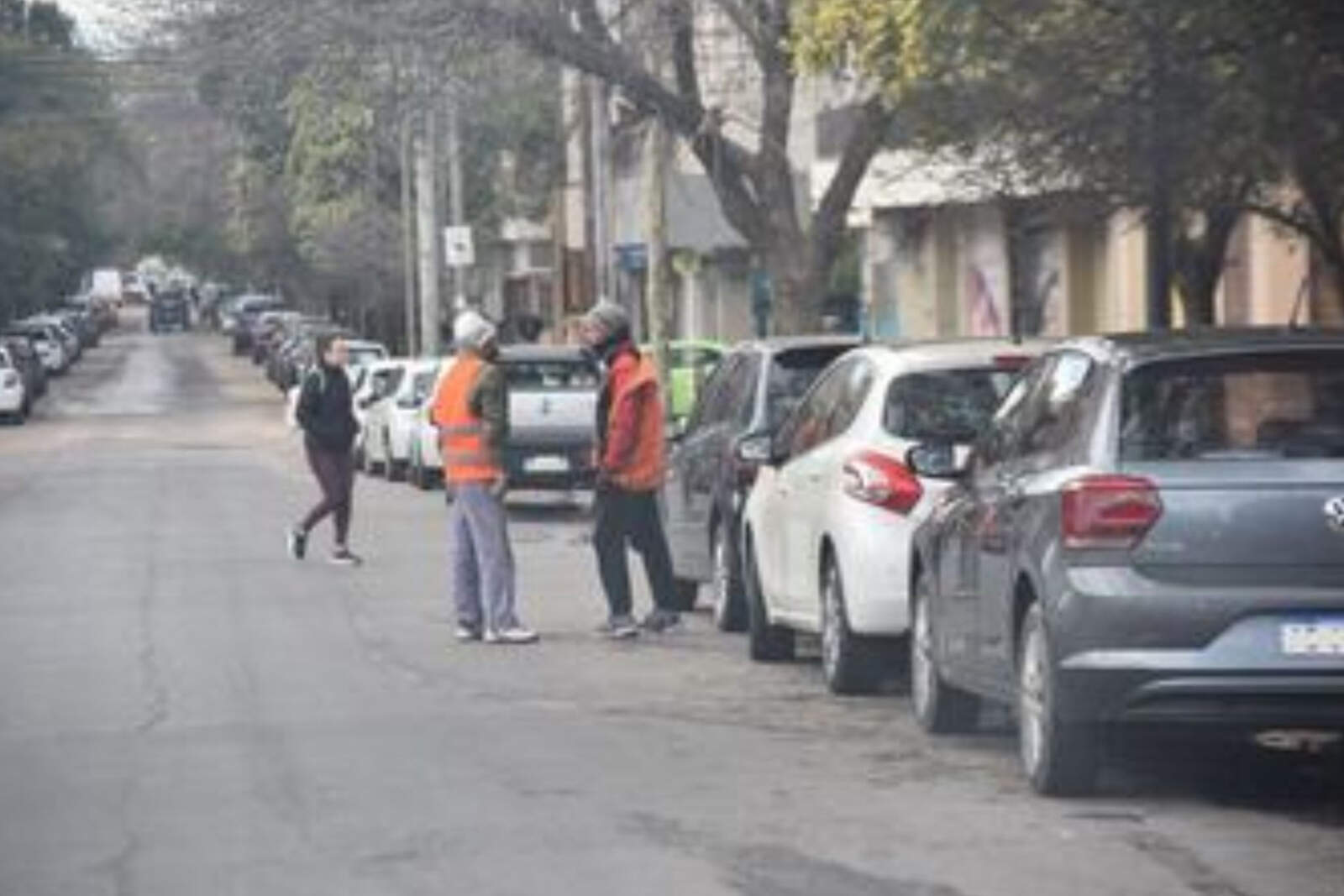
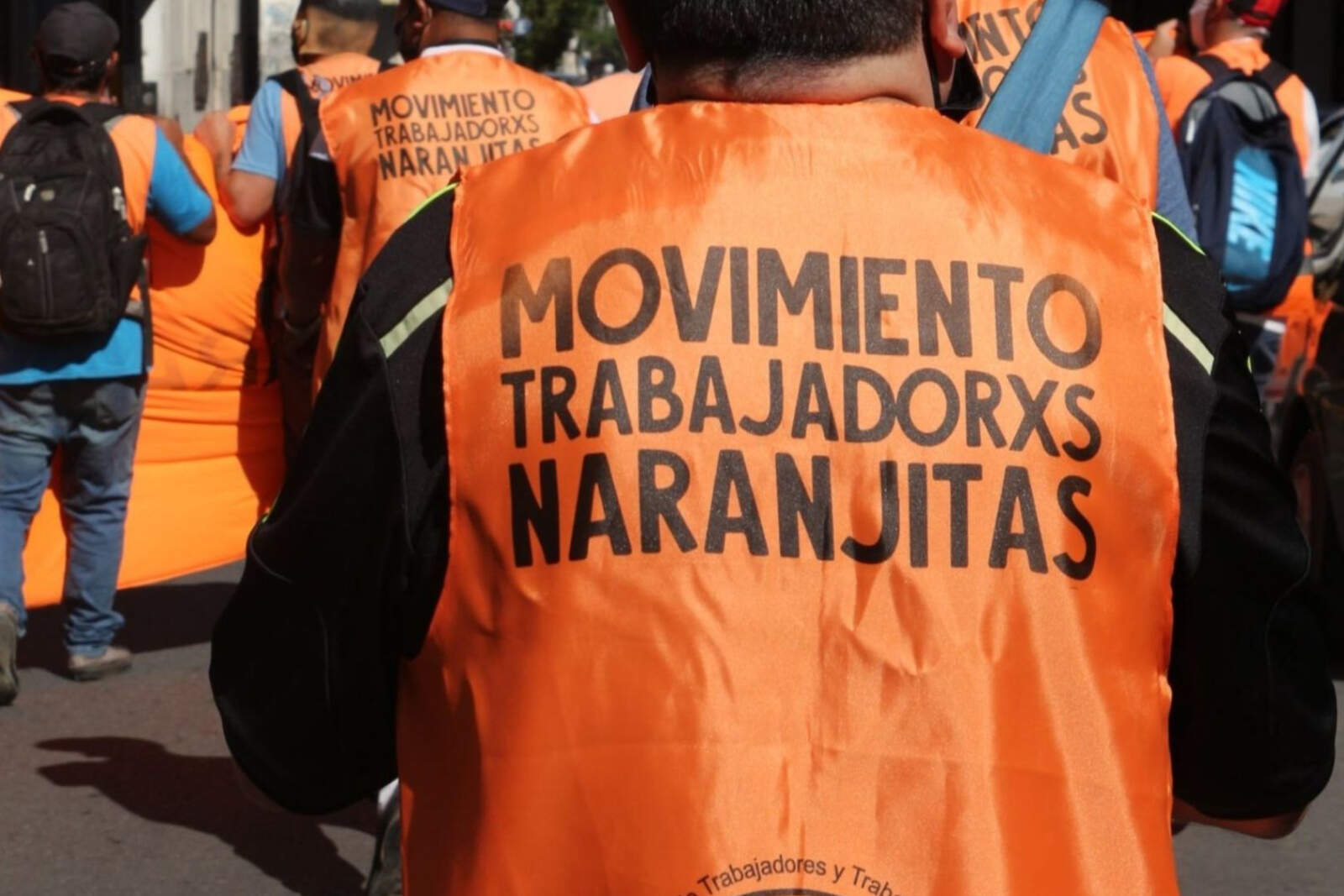
The presence of the "naranjitas" has become a daily problem in Córdoba. So far this year, 263 cuidacoches have been detained for various crimes and misdemeanors. Despite the operations, illegal activity continues to expand in the main areas of the city.
Reports from the Ministry of Security indicate that 161 arrests were for criminal acts and 102 for minor offenses. The most frequent causes include damage to vehicles, threats to drivers, and forced payments. Many of those detained reoffend within a few days due to the lack of effective sanctions.
Residents and business owners state that controls are sporadic and insufficient to eradicate the practice. "When the patrol cars leave, they reappear," commented a resident of the Güemes neighborhood, where confrontations with cuidacoches are repeated.
Los informes del Ministerio de Seguridad indican que 161 arrestos fueron por hechos delictivos y 102 por infracciones menores.
The neighborhoods most affected by cuidacoches
Nueva Córdoba leads the ranking of detentions with 36 cases, followed by Centro with 17 and the Alberdi and Güemes neighborhoods with 11 each. Arrests have also been reported in Alta Córdoba, Cofico, and General Paz, where residents warn of episodes of intimidation.
The most common complaints target cuidacoches who demand money in exchange for not damaging vehicles or who scratch cars when payment is denied. Residents are calling for greater police presence and firm sanctions for those who reoffend in these behaviors.
“Cuando se van los patrulleros, vuelven a aparecer”, comentó un vecino del barrio Güemes
Lack of control and insufficient responses
Although the provincial government claims to maintain permanent controls, citizens' perception is different. According to residents, operations intensify only after viral incidents or media reports. Afterwards, the streets once again fall under the control of cuidacoches.
Neighborhood associations maintain that the problem lies in the lack of a sustained and coordinated policy. They report that arrests usually last only a few hours and that the same individuals reappear the next day. This generates distrust and a sense of abandonment among Córdoba residents.
Meanwhile, drivers face daily threats, extortion, and assaults in different areas of the capital. The lack of effective control leaves ordinary citizens exposed to a phenomenon that the State has not managed to contain.
Nueva Córdoba lidera el ranking de detenciones con 36 casos, seguida por el Centro con 17 y los barrios Alberdi y Güemes con 11 cada uno.
A citizen demand that multiplies
Every week, new episodes of violence involving cuidacoches go viral. Business owners state that the situation discourages nightlife and tourism in areas such as Güemes and Centro. Residents are demanding concrete and lasting measures, not just occasional operations.
Urban security experts warn that informality and the lack of effective sanctions fuel a cycle of impunity. "As long as there are no real consequences, the problem will continue to grow," noted a criminologist consulted by this outlet.
Córdoba faces a challenge that combines insecurity, lack of control, and the absence of visible authority. Complaints are repeated, but solutions have yet to arrive.