Córdoba: the 'cauliflower smell' dump grew nine times due to Passerini's neglect
The landfill known for its "cauliflower smell" was established in 2021 with just 3,485 m² (37,534 square feet) and today exceeds 26,000 m² (279,862 square feet), according to Google Earth images
The property behind the airport increased from 3,485 to more than 26,000 m² (from 37,530 to more than 279,862 square feet) between 2021 and 2025 due to municipal neglect
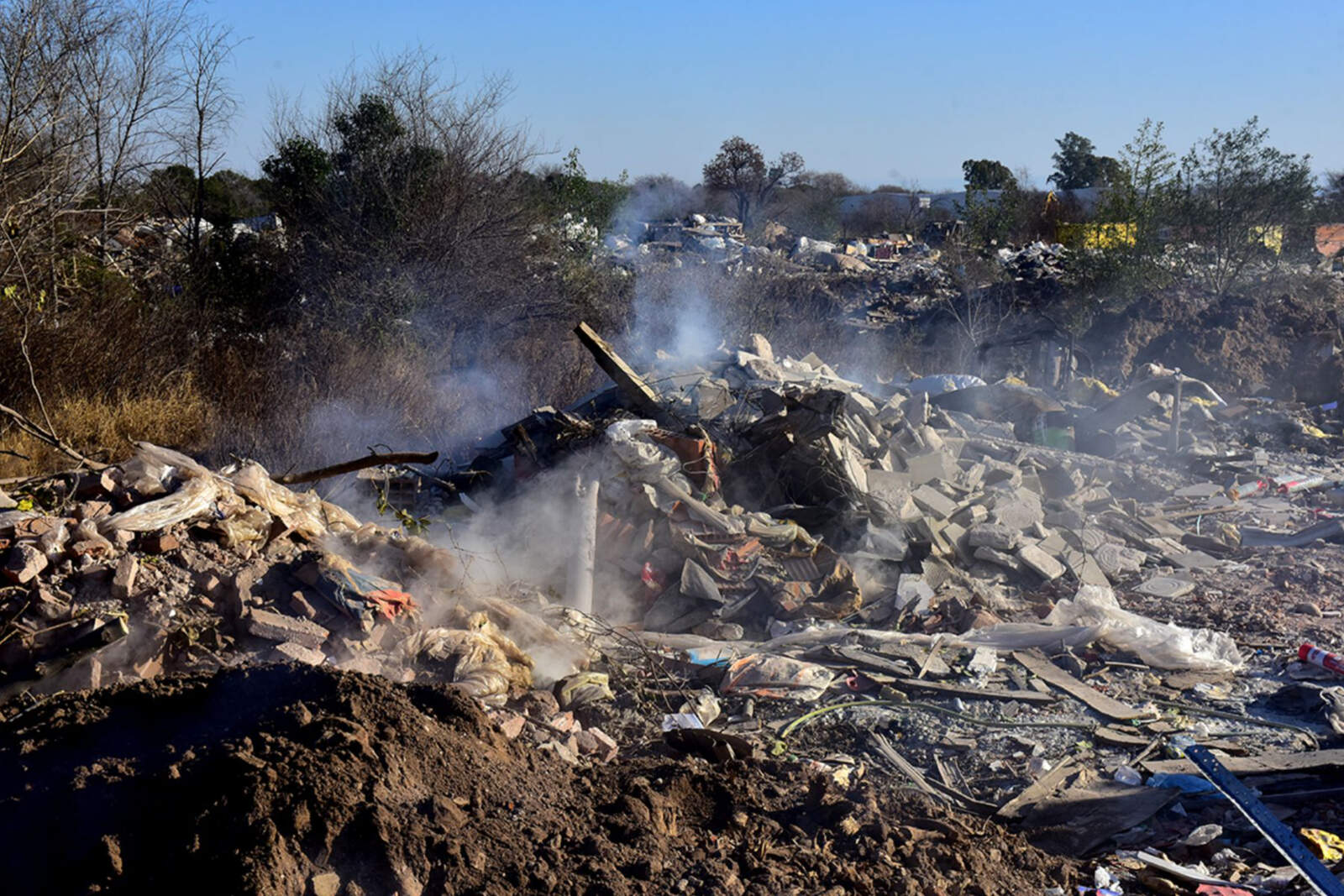
The dump known for the "cauliflower smell" was created in 2021 with just 3,485 m² (37,534 square feet) and today exceeds 26,000 m² (279,862 square feet), according to Google Earth images. The affected area is located behind Córdoba airport, just meters from residential neighborhoods and industrial parks. In just four years, the accumulation of waste multiplied ninefold without the municipality implementing a single control.
The first satellite records show that the site began to be covered with garbage between April and May 2021. By April 2022, it already extended over 5,048 m² (54,353 square feet), with a sustained growth rate. By April 2023, the area covered by waste climbed to 9,859 m² (106,170 square feet) and continued to expand without official intervention.
The pace accelerated noticeably in 2024, when the surface area exceeded 18,000 m² (193,750 square feet) in March. In February 2025, the site already covered more than 26,000 m² (279,862 square feet). The land became a hub of illegal accumulation, with trucks entering and no state control.
Passerini inherited and deepened the neglect
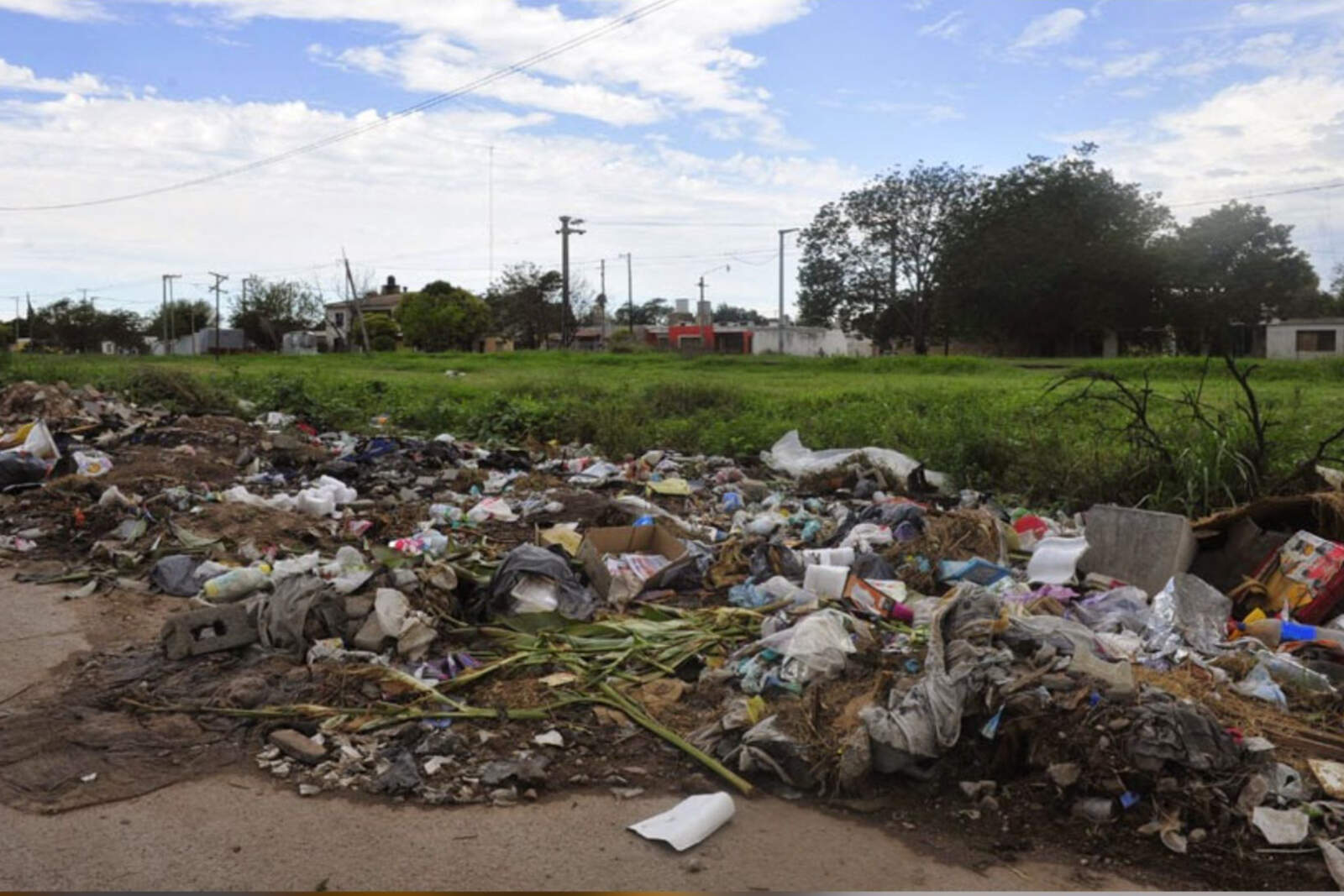
An opposition councilor confirmed that in 2020 the site did not exist, and that its growth coincides with the administrations of Llaryora and Passerini. According to the legislative survey, the increase in illegal dumps was widespread in the capital in recent years. The most serious issue: none of these sites was closed or removed by the municipal Executive.
During Llaryora's mayoralty (2019-2023), "urban modernization" plans were announced, but the reality was the abandonment of peripheral areas. Today, with Passerini in charge, the pattern of improvisation, lack of control, and complicity with illegal practices is repeated. No municipal department presented a concrete eradication plan.
Far from imposing fines, the municipality took months to acknowledge the existence of the dump and only acted when the smell became unbearable. The response was not preventive but merely reactive, a constant in the current administration. The criminal complaint was only filed in 2025, when the problem had been growing in plain sight for four years.
El ritmo se aceleró de forma notoria en 2024, cuando la superficie superó los 18.000 m² en marzo.
Unbearable odor and useless management
The stench that affected thousands of residents was due to the slow combustion of waste, according to technical reports from various agencies. Measurements confirmed the presence of sulfur compounds such as dimethyl disulfide and dimethyl trisulfide, detectable throughout the northern area. Although no health risks were reported, the impact on quality of life was evident.
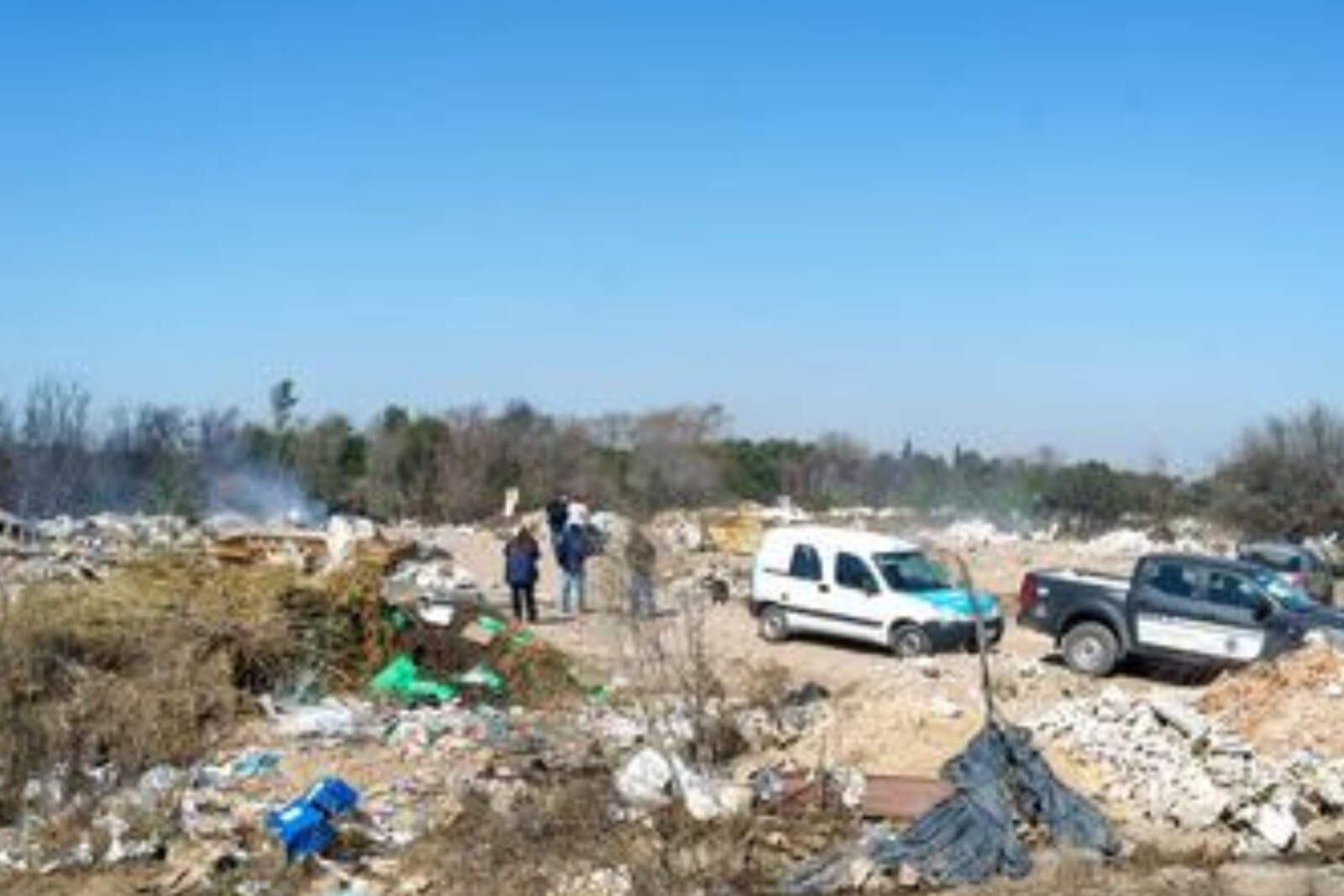
Municipal inspectors called in technical agencies, but the operation was late and limited. Air and waste samples were taken, but without concrete actions to stop the burning. The lack of planning and oversight was exposed in the face of a phenomenon that grew in plain sight.
The case reveals a pattern of neglect: the municipality only acts when the problem explodes in the media. Neither Llaryora in his administration nor Passerini in the current one showed any willingness to organize the territory. The provincial capital is now suffering the consequences of years of improvisation and institutional negligence.Los primeros registros satelitales muestran que el predio comenzó a cubrirse de basura entre abril y mayo de 2021.