Far from eliminating the extortion that has been a source of complaints for years, the municipality opts to legalize it within an institutional framework.
In this new model, the collection will have a distribution that also generates controversy, but represents the alliance between the State and the extortionists: 20% of the collected amount will remain in municipal coffers, while the 80% remaining will be allocated to the cooperatives that group the workers.
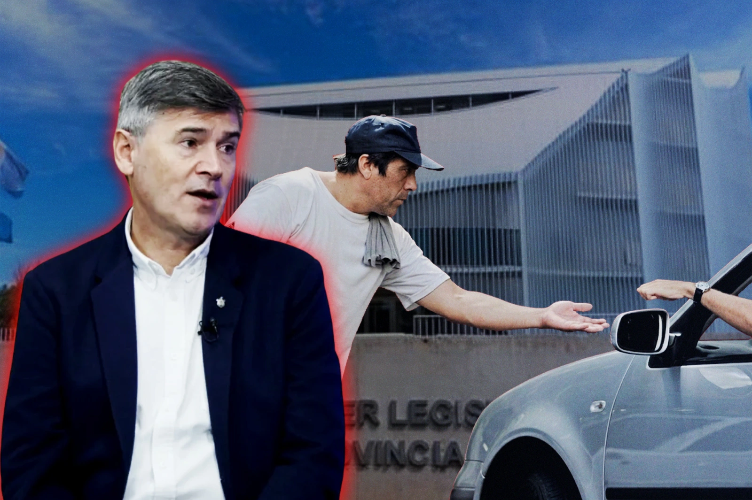
The Municipality of Córdoba is moving forward with a controversial and reprehensible project that seeks to regulate the activity of "car watchers", transforming them into authorized agents to demand payment for parking on public roads, legalizing extortion.
The initiative, which will be voted on in the coming hours, is promoted by the far-left mayor of the City of Córdoba, Daniel Passerini, and establishes a scheme of mandatory payment against residents who park their cars on the street.
According to the project, the historical figure of the "informal car watcher" will be replaced by that of “verifiers”, a new role defined by the municipality to avoid terms associated with the previous illegal and extortionate activity.
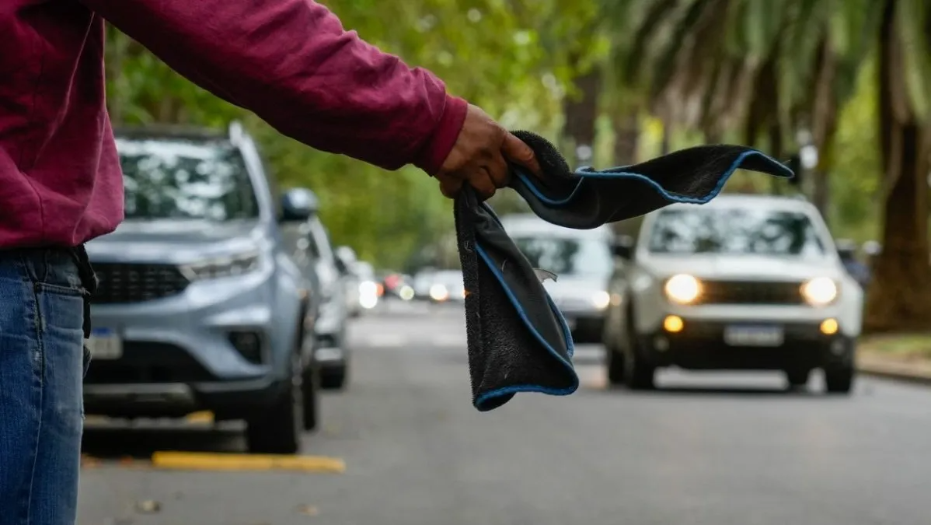
The "car watchers".
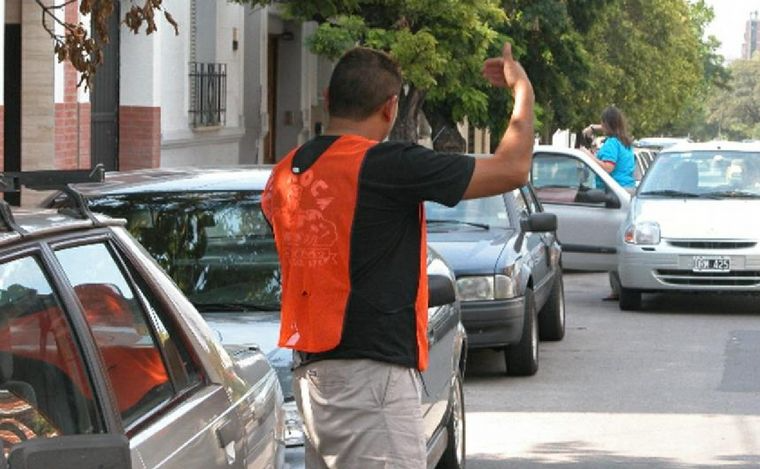
The new role of the "car watchers"
In practice, these external agents will no longer have the function of taking care of vehicles, but rather the supervision of parking payments through an official application.
The measure implies that parking on public roads will cease to be free in more areas of the city. The set fee will be $1,320 per hour, equivalent to 60% of a liter of premium Infinia gasoline, and could reach 100% in the case of mass events. Payment must be made via QR code, under a system that seeks to formalize the collection.
The "car watchers".
This scheme proposes a profound change in the use of public space, as it significantly expands the areas subject to charges. According to official projections, the number of registered car watchers will increase from 358 to over 858 workers under this system, which implies an expansion of control and charged areas in different parts of the city.
The municipal proposal will shift the cost of illegal activity directly onto citizens. Instead of reducing the presence of car watchers, the new system not only consolidates it but also expands it, incorporating more actors and more blocks under a payment scheme.
The measure also raises questions about the role of the State in managing security and urban order, by delegating control functions to external actors organized in cooperatives.
With the imminent vote, Córdoba is heading towards an alliance between the State and the extorting "car watchers", against the law-abiding citizen.