
Javier Milei's government increased the pressure on the inefficient spending of mayors from Córdoba. After the launch of the Municipal Tax Transparency Portal, now a mechanism was enabled to report abusive fees. This digital tool exposes the enormous tax disparities faced by businesses, industries, and banks.
Official data reveal that there is no homogeneous policy, which generates unfair competition between districts. In primary activities such as agriculture, the burden can be 4 times higher depending on the locality where one operates. This pressure on income is not neutral, since it directly alters logistics costs and business competitiveness.
In the industrial sector, the dispersion of rates once again punishes those who bet on private investment. Córdoba city, under the administration of Peronist Daniel Passerini, applies a range of up to 1.10% on industry. In cities such as Villa María, the rate is set at 0.50%, while San Francisco reaches 1% in the agricultural sector.
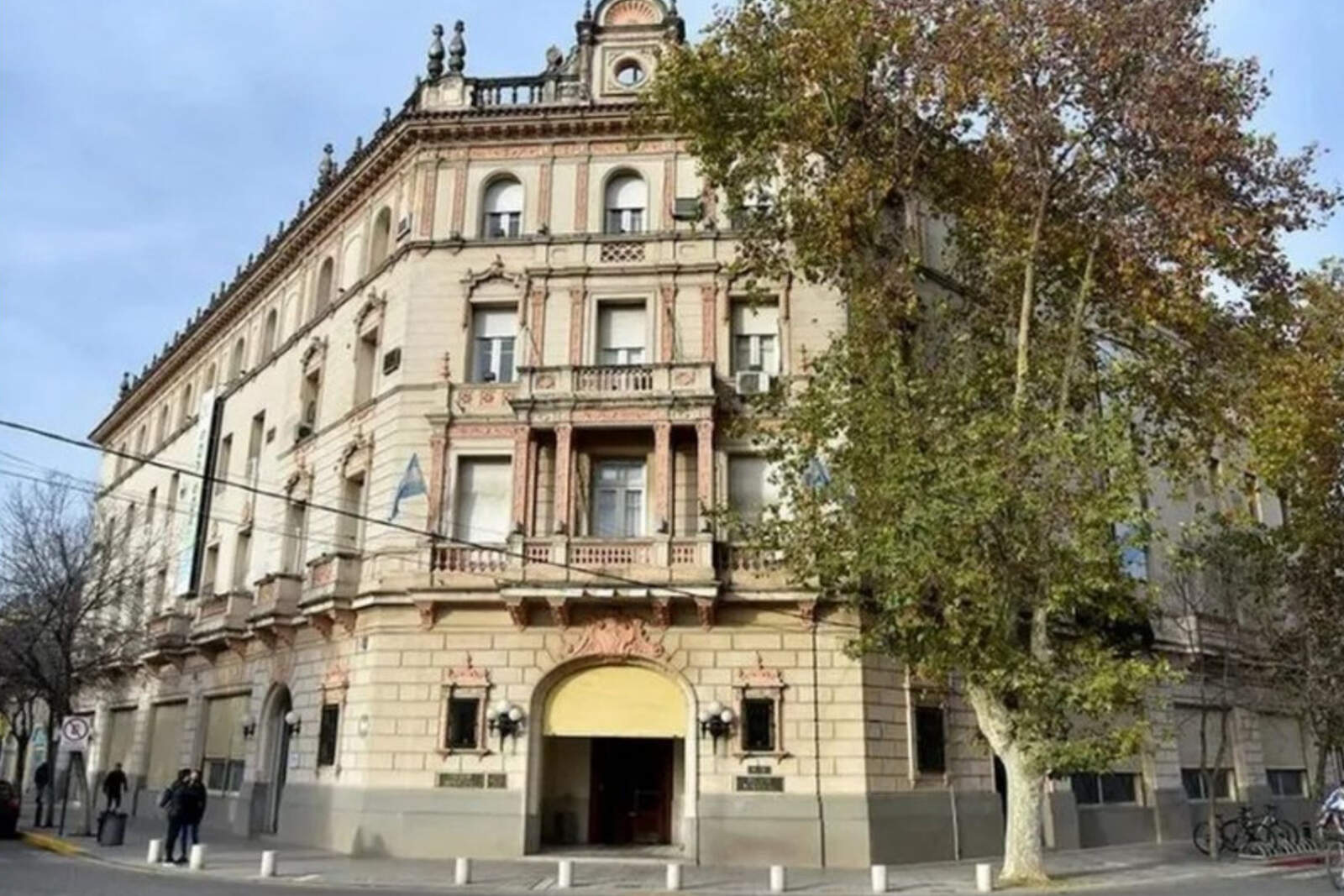
Peronism and its tax voracity in major urban centers
The cost structure for hypermarkets also reflects the weight of state bureaucracy in Peronist cities. Córdoba city keeps its rates between 0.60% and 1.10%, impacting the final price of products. These rates are not abstract, since the tax cost ends up being absorbed by the consumer or the private party's margin.
In the financial sector, the provincial capital applies one of the highest rates in the region at 5%. Villa María and San Francisco follow this pattern with rates of 4.75% and 4.80% respectively. For the banking sector, these percentages are usually combined with fixed minimums that raise the real tax burden.