The highest court rejected the claim and approved the construction of a key project for national energy development
Compartir:
The Supreme Court of Justice of the Nation rejected this Thursday a lawsuit filed by the Toba Nam Qom Indigenous Community against the construction of a uranium dioxide production plant by the state-owned company Dioxitek in the province of Formosa. This ruling clears the way for the execution of a key project for the national nuclear system and for the supply of nuclear power plants.
The highest court, with the signatures of Horacio Rosatti, Carlos Rosenkrantz, and Ricardo Lorenzetti, considered that the legal requirements justifying the application of the prior consultation procedure with indigenous communities provided for in ILO Convention 169 were not met.
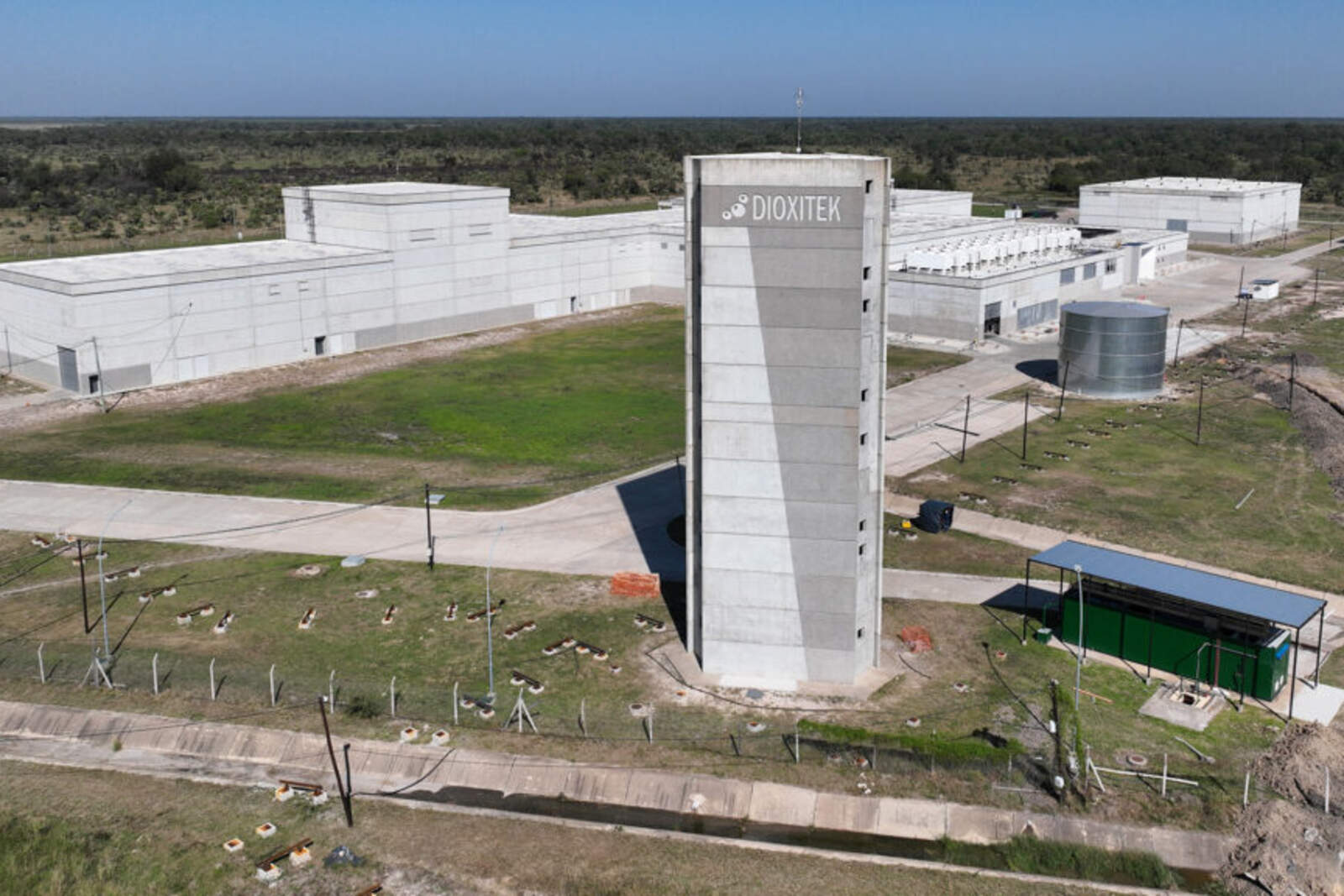
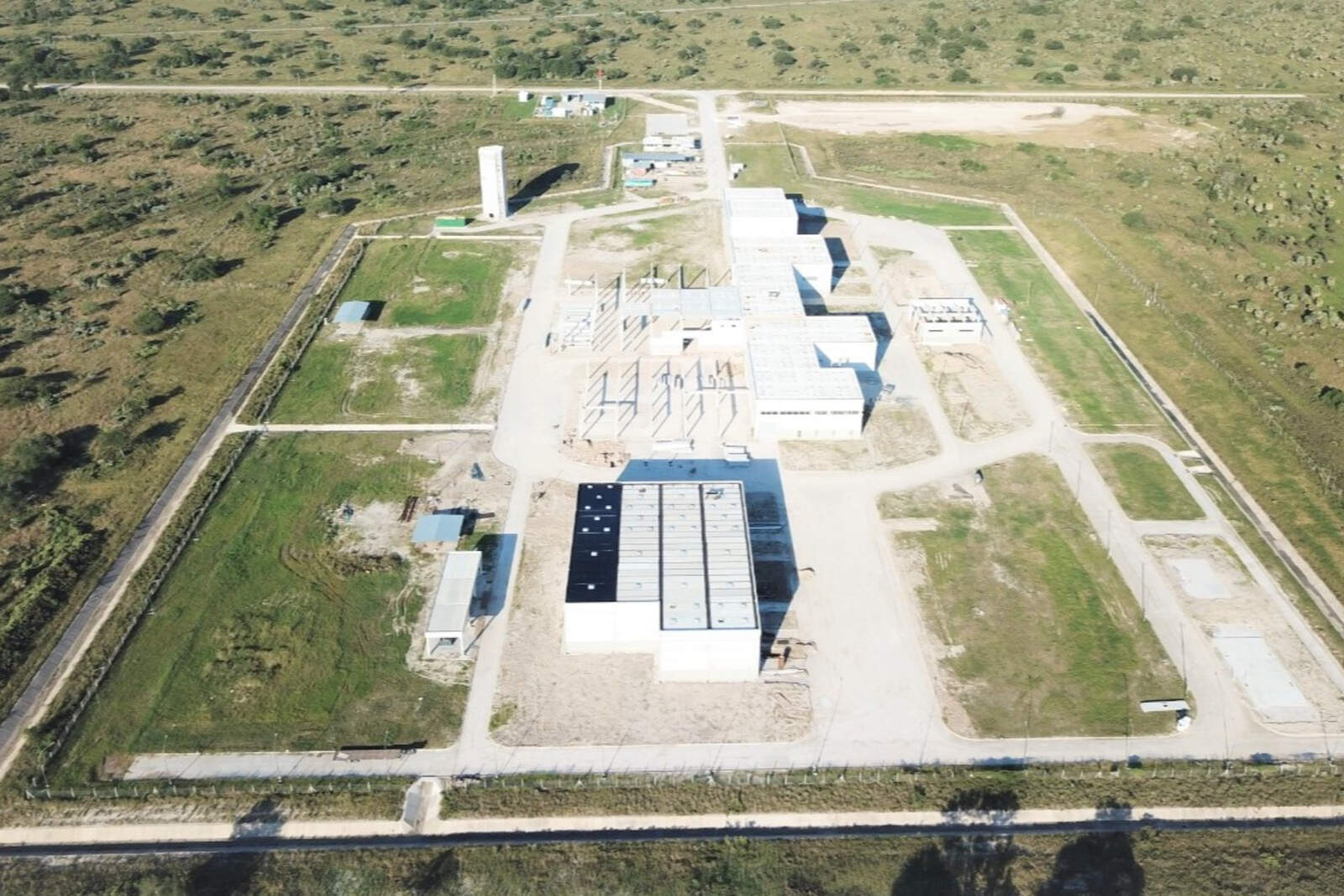
La construcción de la planta productora de dióxido de uranio de Dioxitek.
In its decision, the judges stated that "there is no evidence of actual or imminent harm that could directly affect the lives, beliefs, institutions, or lands occupied by the plaintiff community."
The lawsuit by the Toba Nam Qom community had been filed against the National Government, the Province of Formosa, and Dioxitek, on the grounds that they had not been properly consulted about the installation of the plant.
However, the Court upheld the arguments of the province, which had made it clear that the project is being developed outside indigenous territories, within a provincial site designated for the Formosa Science, Technology, and Innovation Hub, 16 kilometers (9.94 miles) from the capital and four kilometers (2.49 miles) from the neighborhood where the community resides.
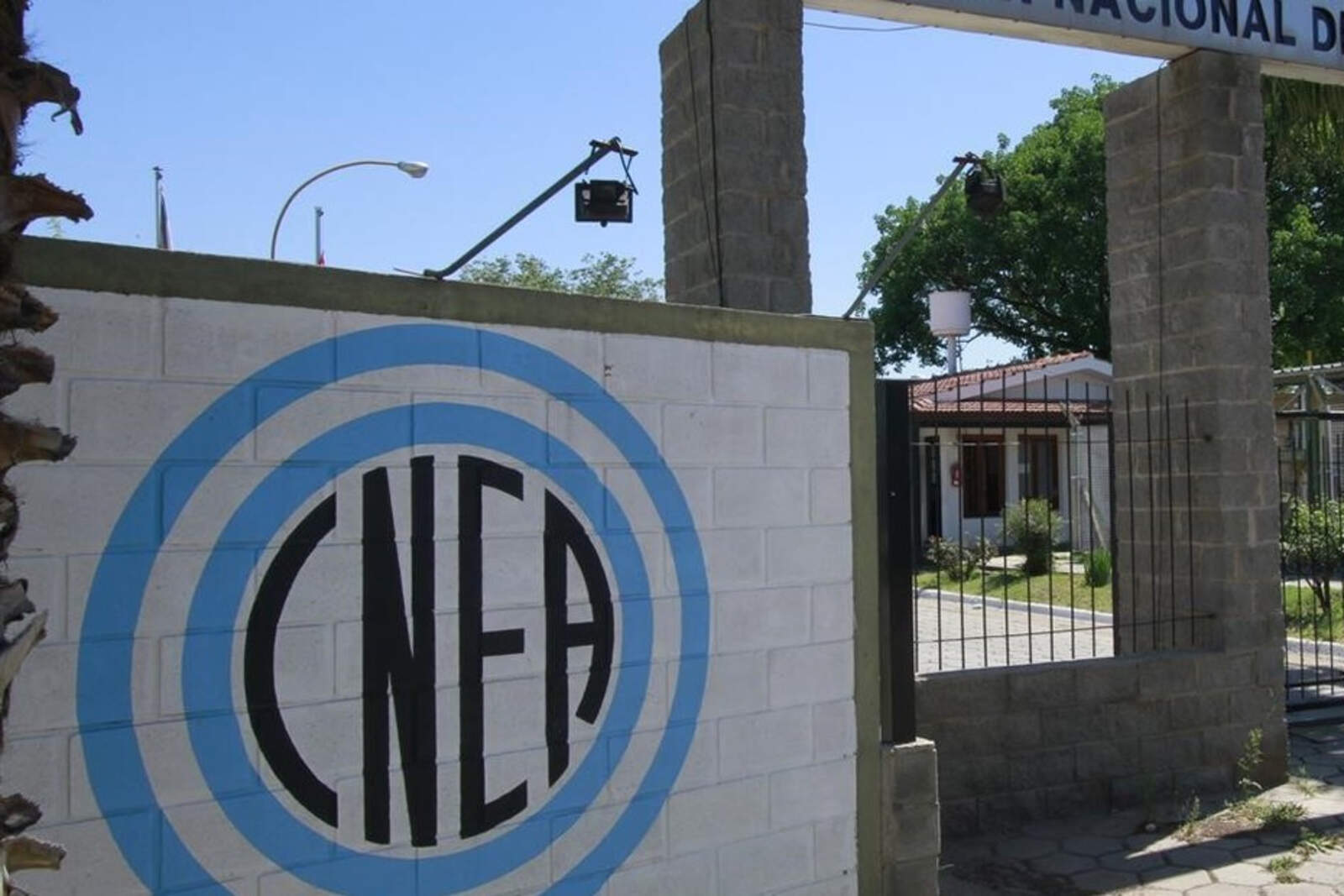
La Comisión Nacional de Energía Atómica.
The Province of Formosa also indicated that all procedures for consultation and citizen participation were fulfilled, with public hearings in which even Qom representatives participated and requested the hiring of local labor for the project. The Office of the Attorney General agreed that prior consultation is only mandatory when a measure directly affects an indigenous community, which in this case did not occur.
The Court's ruling ensures the continuity of a strategic project that replaces the old Dioxitek plant in Córdoba, closed in 2014 due to environmental regulations. With the construction of the plant, Argentina will be able to produce and purify uranium, an essential input for the operation of nuclear power plants.
The decision also set a clear limit against attempts to paralyze strategic investments based on unfounded arguments. The project, in addition to its industrial value, has a significant impact on local employment and strengthens Argentina's position in the international strategic minerals market, in a context in which powers such as the United States and China compete for control of these resources.