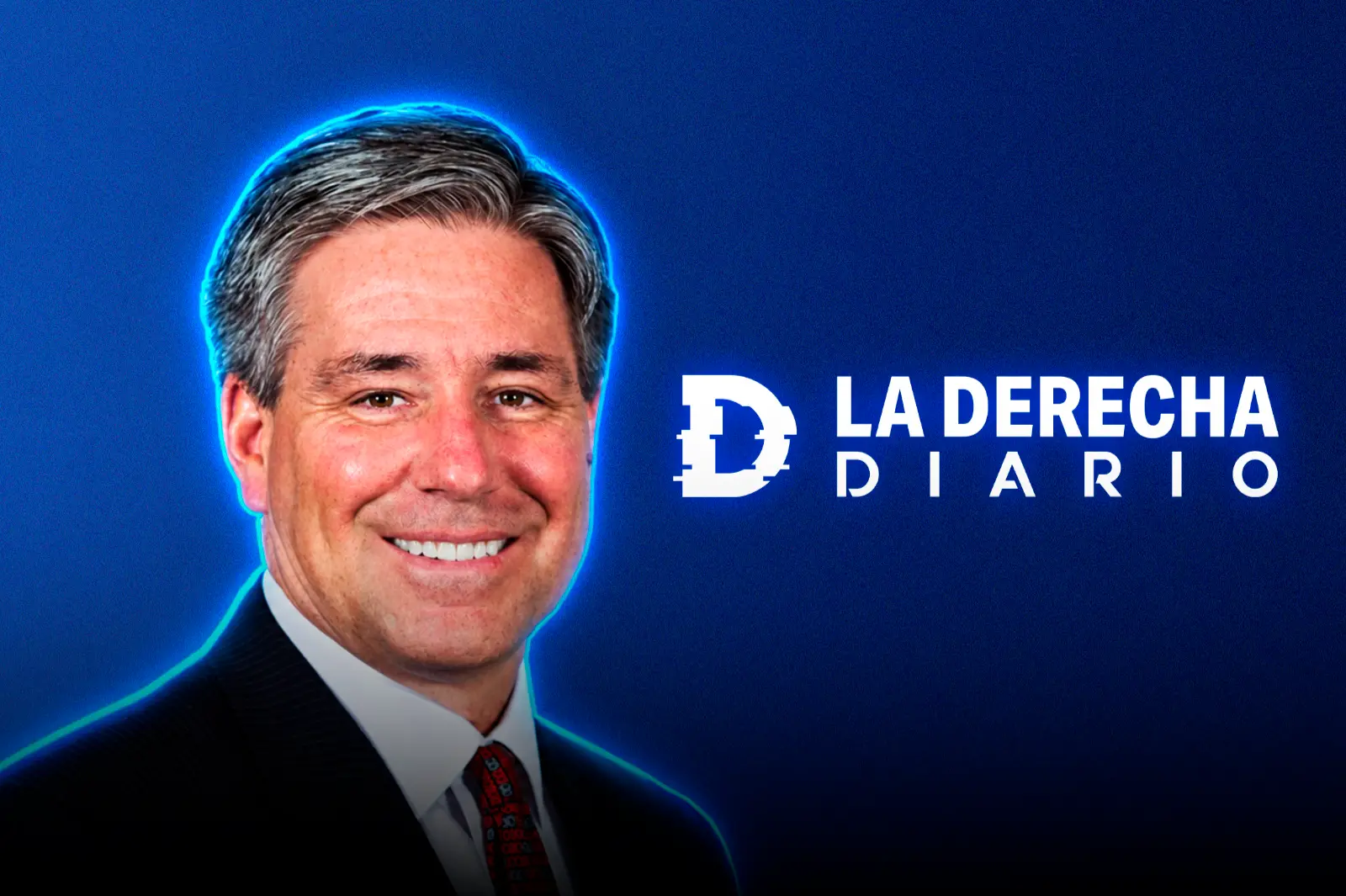
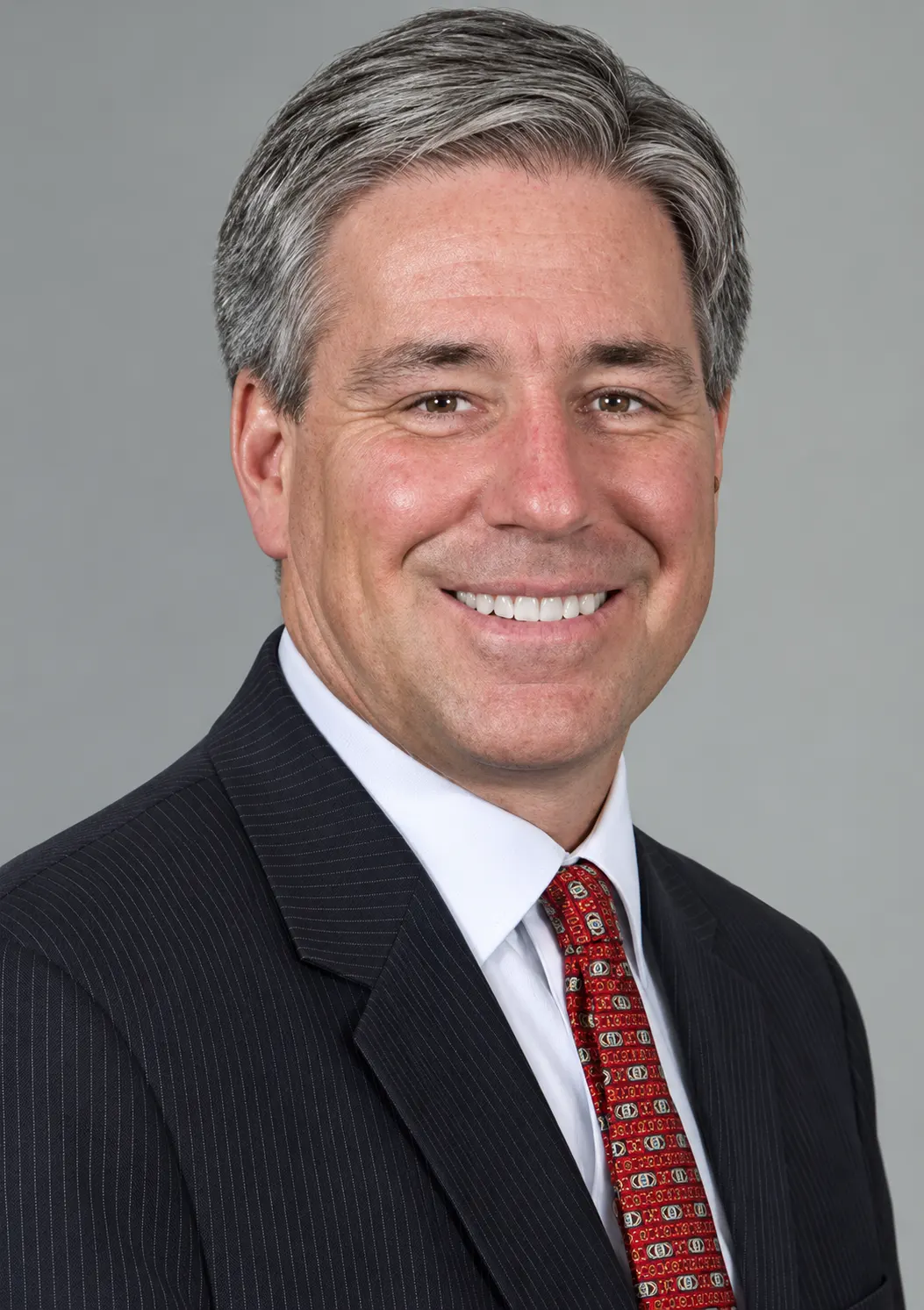
The libertarian economist, with an extensive career in the United States and involvement in George H. W. Bush's presidential team, joins the Argentine media as a columnist. In his new analysis, he highlighted Javier Milei's economic reforms and his rejection of populism
Currently, he presides over the Center for Freedom and Prosperity, an American organization focused on advocating for economic freedom, tax reform, and reducing state intervention.
Throughout his career, his articles and research have appeared in prestigious international media such as The Wall Street Journal, The New York Times, The Washington Post, and Forbes. He has also participated in television programs, conferences, and economic debates in numerous countries.
What Daniel J. Mitchell said about Javier Milei and the economic future of Argentina
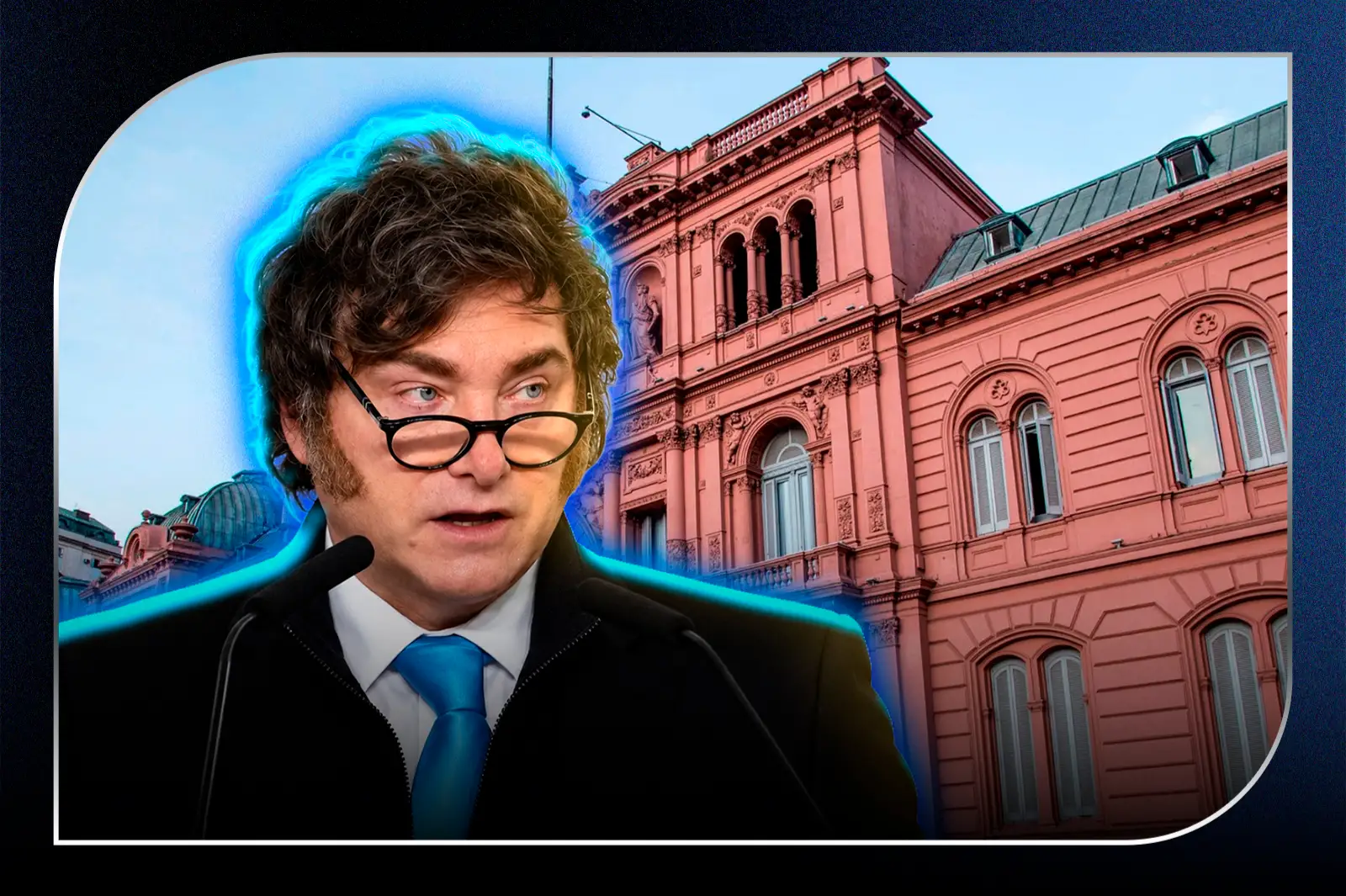
In one of his columns, Mitchell focused on Argentina's economic direction and President Javier Milei's decision to maintain his structural reform program, even in the face of political and electoral challenges.
“What is happening in Argentina is an extraordinary economic experiment”, stated the economist, who believes that the country represents an opportunity to assess the effects of an economic liberalization agenda after decades of state interventionism.
In his analysis, Mitchell particularly highlighted the Argentine leader's decision to avoid electoralist measures based on increased public spending, monetary issuance, subsidies, and protectionism.
“Javier Milei is testing whether a leader can reject populism and achieve electoral success”, he asserted.
For the economist, reforms aimed at reducing the weight of the State, controlling inflation, and eliminating economic barriers may incur immediate costs, but they can also lay the groundwork for sustained long-term growth.
Mitchell also compared the Argentine process with the economic reforms implemented during Ronald Reagan's presidency in the United States and suggested that the continuity of Milei's program could turn Argentina into an international reference.
“If he achieves reelection and continues to reduce the weight of the State, the Argentine economic renaissance will be a great example for the rest of the world”, he concluded.
La Derecha Diario adds the prominent section Columnists with the American economist Daniel J. Mitchell, a figure in liberal economic thought who developed much of his career in Washington and participated in the presidential transition team of George H. W. Bush in 1988.
With decades of experience in fiscal policy, tax reforms, and defense of the free market, Mitchell joins the media to provide his insights on the main economic and political challenges facing Argentina and the world, with special attention to policies of economic liberalization and reduction of the size of the State.
Daniel J. Mitchell joins La Derecha Diario as a contributor
The addition of Daniel J. Mitchell to La Derecha Diario brings a new international voice to the media, with an extensive academic and institutional background in the United States and a recognized participation in the debate on free market economic policies.
The American economist has dedicated a significant part of his career to studying the consequences of public spending, tax pressure, debt, and state regulations on economic growth.
His collaboration with La Derecha Diario will bring Argentine readers his analyses on economic reforms, market freedom, and international experiences, particularly in a context where the policies promoted by Javier Milei hold a prominent place in his publications.
Who is Daniel J. Mitchell, the American economist with a background in Washington
Daniel J. Mitchell is a libertarian American economist, holding a PhD in Economics from George Mason University, recognized for his research and publications on tax reform, international fiscal competition, public spending, and economic growth.
Throughout his professional career, he was part of the presidential transition team of George H. W. Bush and Dan Quayle in 1988, where he worked on matters related to the Federal Reserve. He also served as an economist for Republican Senator Bob Packwood and the Senate Finance Committee.
Additionally, he held prominent positions at two of the most well-known economic think tanks in the United States: The Heritage Foundation and the Cato Institute, organizations dedicated to the study and promotion of public policies.