
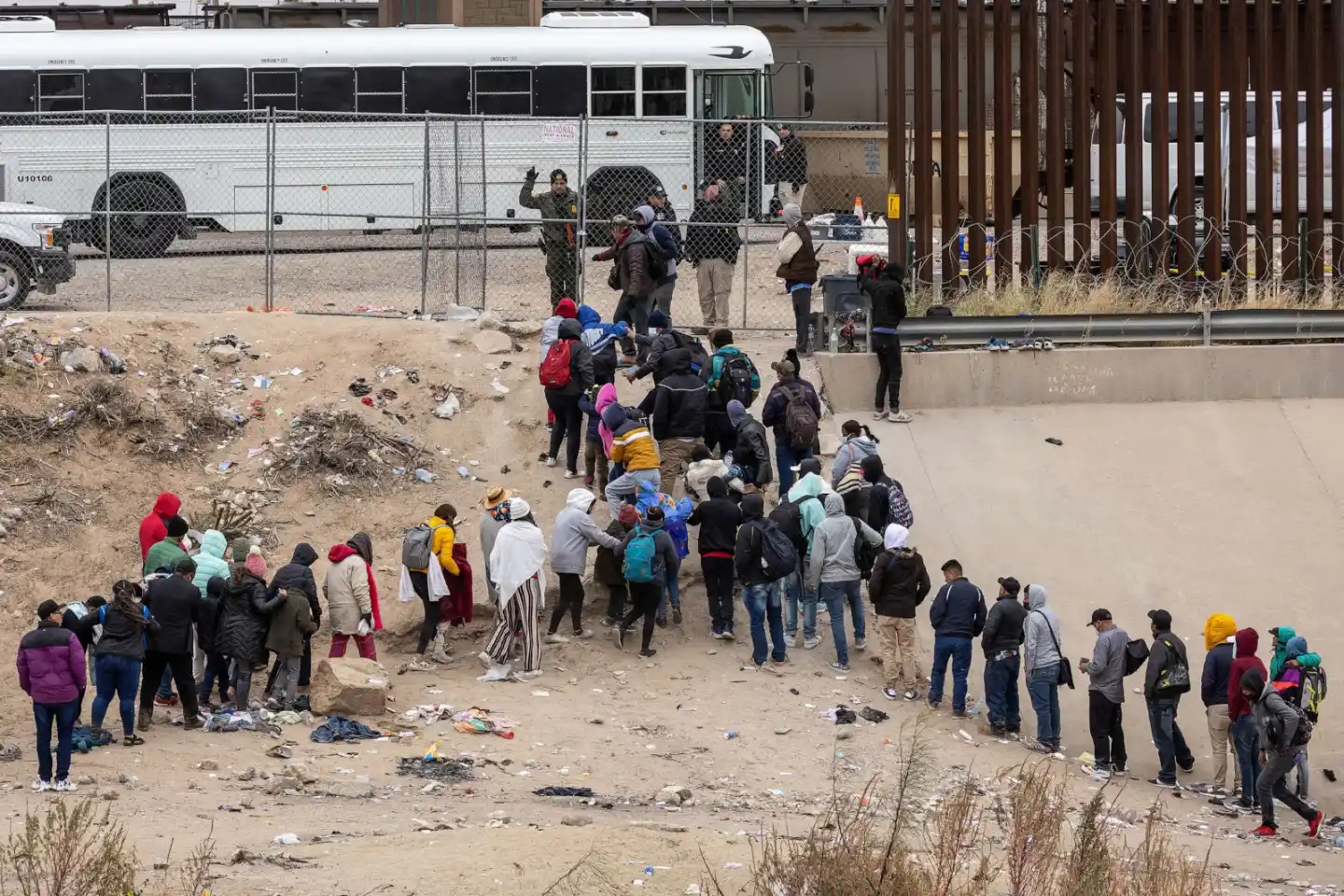
Texas has experienced a significant growth in its irregular immigrant population in recent years, during a period that spans much of the presidency of Joe Biden. A study on the demographic evolution of the state estimates that the arrival of immigrants between 2020 and 2026 would reach 2,853,200, with a particularly marked concentration in the regions of Houston, Dallas-Fort Worth, and the border with Mexico.
The phenomenon again places the consequences of Democratic immigration policies at the center of the debate, both for border security and for the demographic composition and political future of the state.
The graph shows that the Gulf Coast region, which includes Houston, The Woodlands, and Sugar Land, records the highest estimated increase, with 895,400 new international illegal residents. This is followed by the Dallas-Fort Worth-Arlington metropolitan area, with 765,100. Other areas with notable increases are San Antonio and New Braunfels, with 285,500, and the border region of Hidalgo and Cameron, with 245,700.
El Paso also appears, with 180,300, and the central area of Austin, Round Rock, and Georgetown, with 195,200. The distribution reflects how immigration has transformed different regions of the state, with effects on public services, the labor market, housing, and infrastructure.
The study identifies Mexico as the main country of origin for newcomers, followed by El Salvador, Honduras, and Venezuela. Among the main economic activities that absorb this labor force are construction, healthcare, and services.
Biden's Immigration Legacy and Its Consequences for Texas
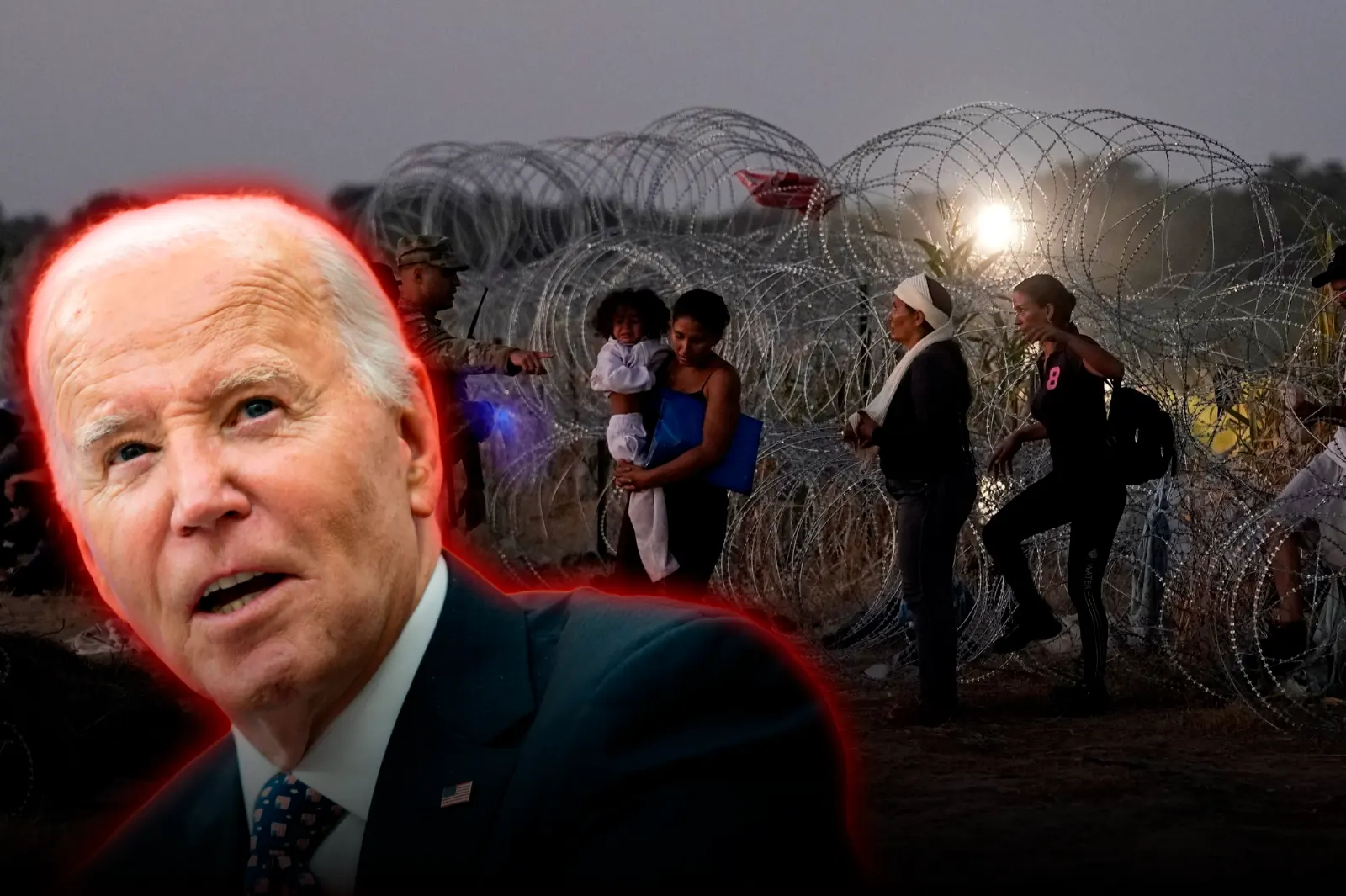
The migratory growth occurred in a context of strong controversies over the border policy of the Biden administration (2021-2025). During those years, Texas Republican authorities repeatedly denounced that federal decisions had hindered control of the southern border and increased pressure on border communities.