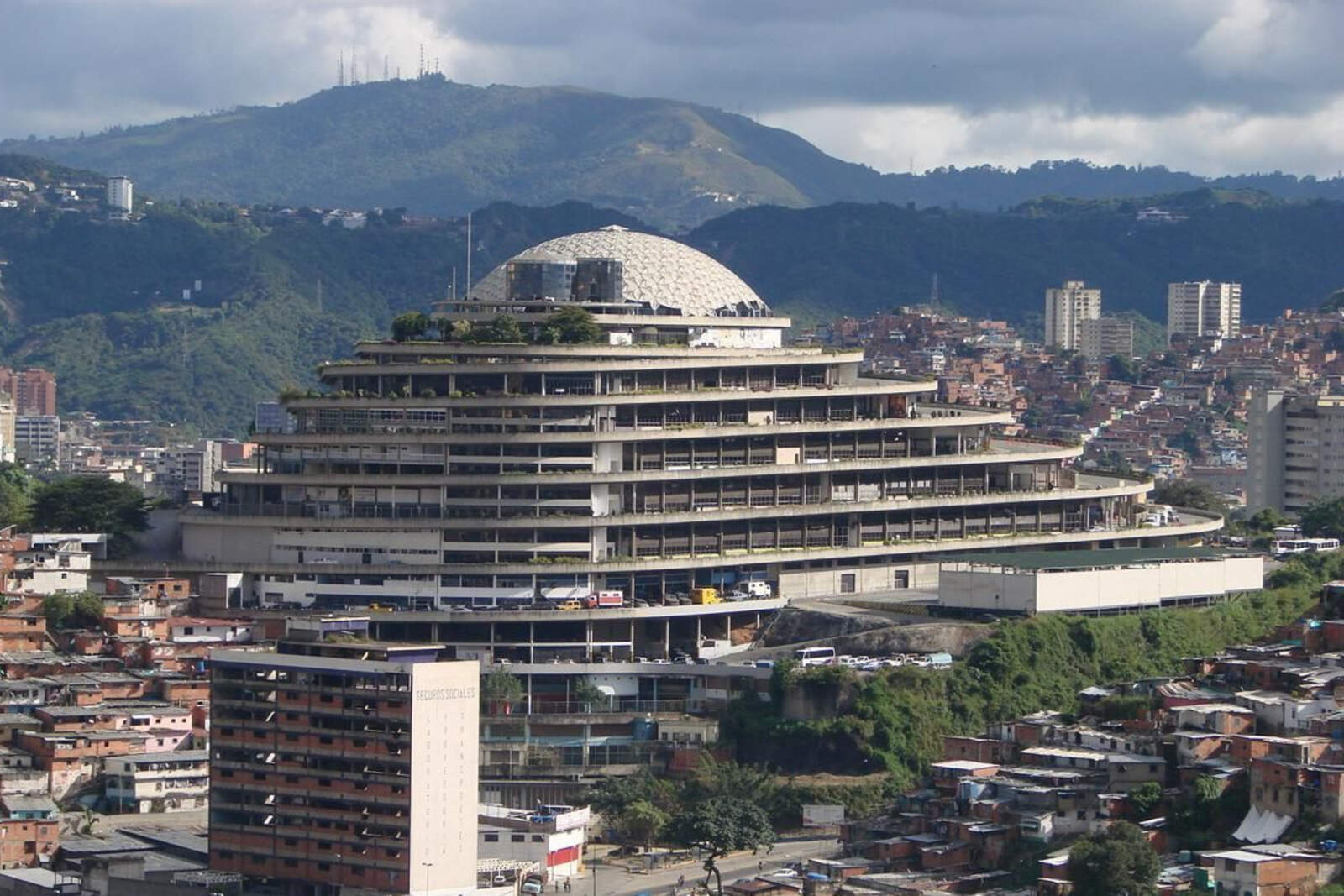
During the same event, the interim president announced the closure of El Helicoide, one of the most emblematic symbols of Chavista repression. According to what she indicated, the building will be converted into a space for social services and sports activities for the community. In addition, she promised to promote measures to combat corruption within the judicial system.
Since Chavismo came to power in 1999, Venezuela has not recorded general amnesties, although there have been specific pardons. The most recent precedent occurred in 2020, when Maduro granted pardons to 110 opposition members, including leaders close to Juan Guaidó. Civil organizations and opposition sectors have demanded for years a broad amnesty as a basic condition to move toward a real political transition.
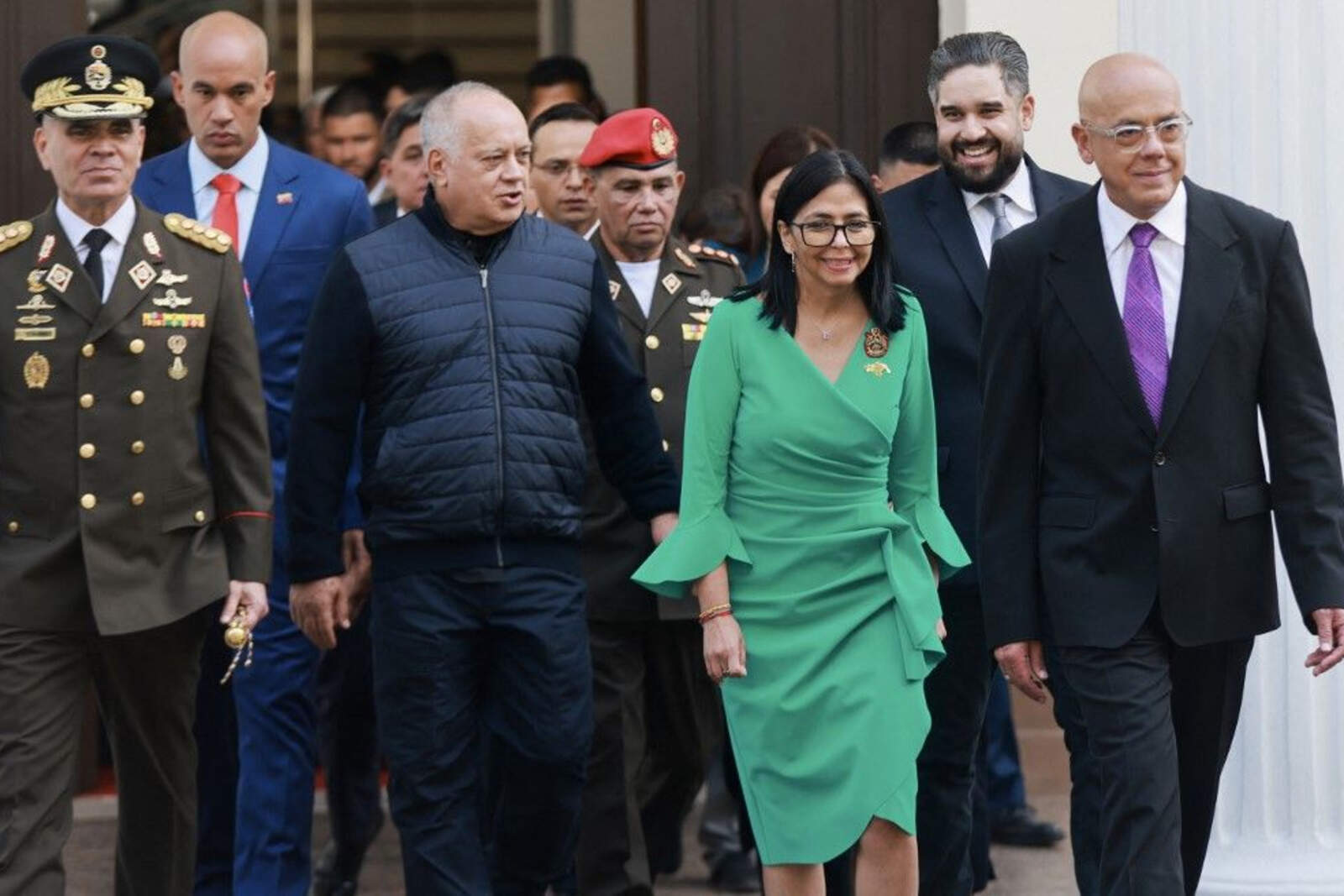
Imágenes de la Asunción de Delcy como presidenta.
However, Chavismo has been repeatedly accused of using political prisoners as bargaining chips in the face of international pressure, releasing groups of detainees while new arbitrary arrests continue to occur.
The discussion of the bill in the National Assembly will be key to determining whether the announcement represents a structural change in Venezuela or a circumstantial maneuver to ease external pressure and gain political time.
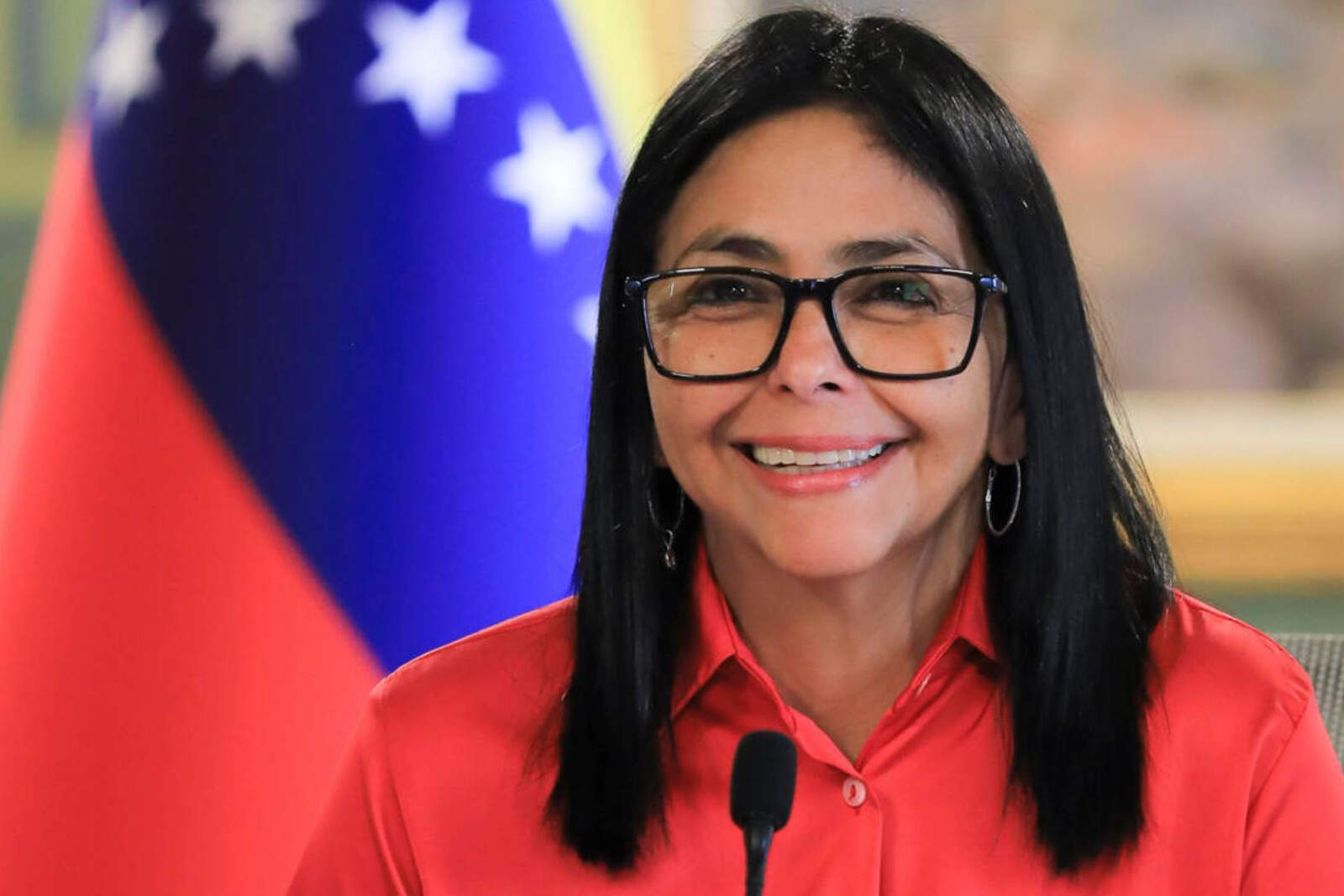
Venezuela's interim president, Delcy Rodríguez, announced this Friday the submission of a bill for a general amnesty for political prisoners and the definitive closure of Helicoide as a detention center. The initiative will be sent to the National Assembly and, according to what the president anticipated, it could be discussed and approved next week.
The announcement was made during an event at the Supreme Court of Justice, without the presence of journalists, and was later disseminated by official media. There, Rodríguez stated that the measure seeks to "promote coexistence in Venezuela" and indicated that the decision had been previously discussed with Nicolás Maduro, who has been detained since January 3 following a United States operation.
El Helicoide, principal centro de detención del chavismo.
The future law could benefit hundreds of political prisoners who remain in detention in the country. The announcement comes after a series of partial releases that began following Maduro's capture. According to official figures from Chavismo, more than 600 people were released from prison during that period, although human rights organizations reduce the number to just over 300.
In many cases, those who were released remain under restrictive measures, such as bans on leaving the country or limitations on speaking publicly. Rodríguez clarified that the amnesty will not extend to people convicted of homicide, crimes linked to drug trafficking, or other common crimes, and that the central objective is to erase the legal cases of those who benefit from the regulation.