By ending “vulnerable zones”, the War Department ensures that soldiers can protect themselves.
Compartir:
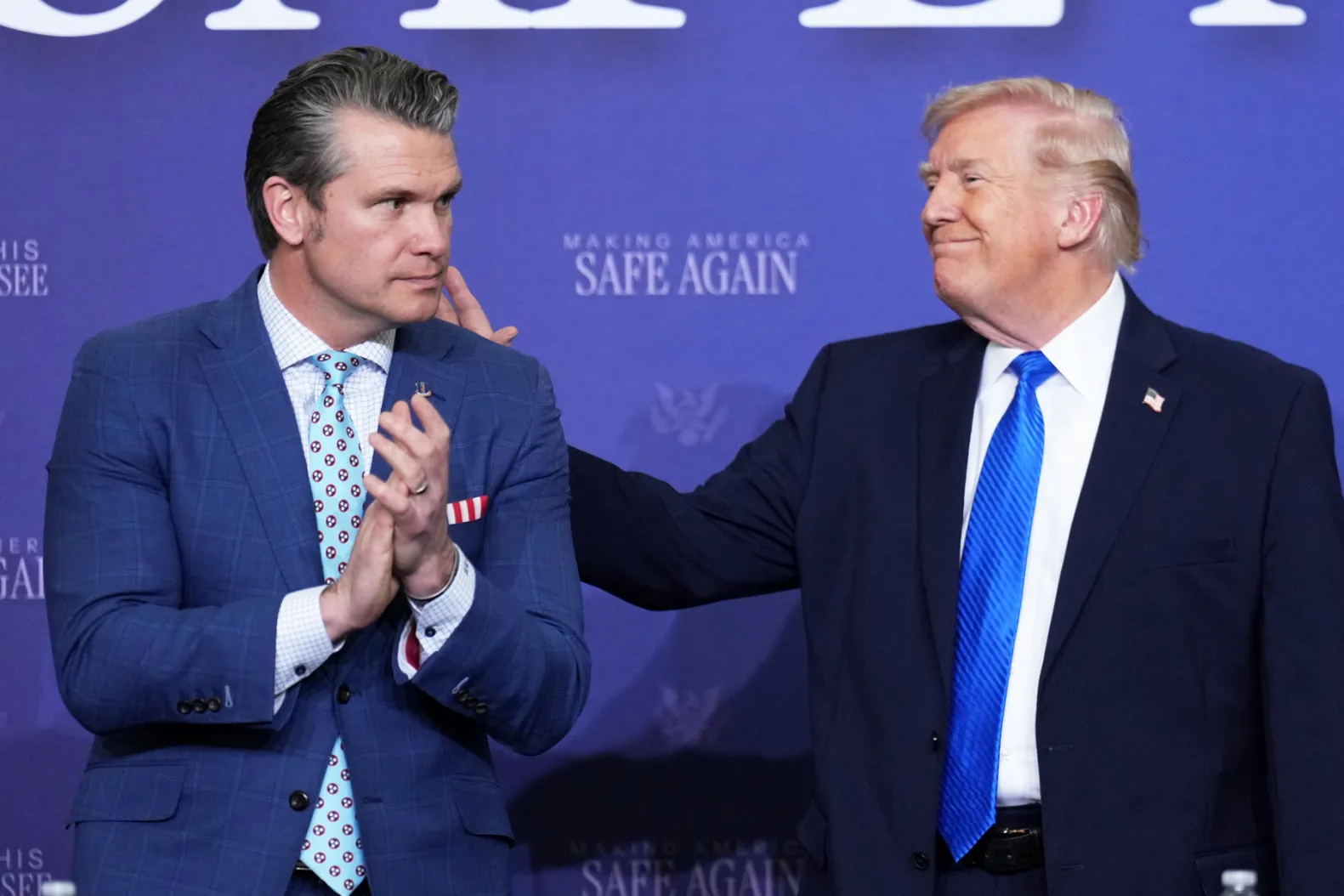
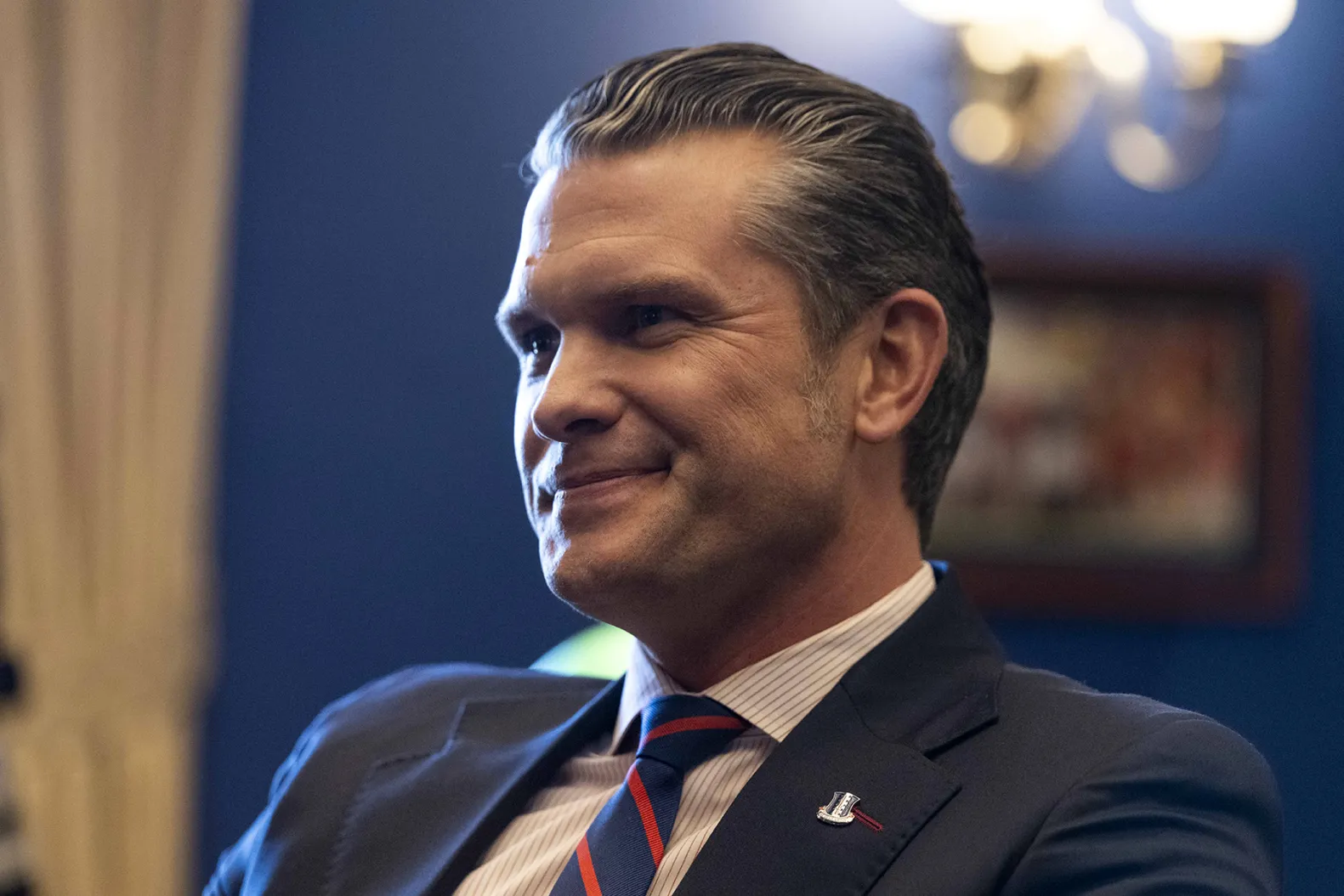
The Trump administration's Secretary of War, Pete Hegseth, announced on Thursday that he was ending the policy of making U.S. military installations “gun-free zones.”
Hegseth signed a decree stating that military base commanders must allow service members to request permission to carry their privately-owned firearms while out of service. The measure applies regardless of firearm regulations imposed by the states where military bases are located
.
“Our military installations have been converted into gun-free zones, leaving our service members vulnerable and exposed. That ends today,” said Hegseth when making the announcement of a change in policy
. The Secretary of War, Pete Hegseth.
The law had been in effect since 1992
.
“Our great republic is based on a simple but bold idea,” said Hegseth, saying that the United States was built on the idea that rights were granted to the people by God rather than by the government. “250 years ago, the Revolutionary War was fought to secure our God-given rights. The Second Amendment to our Constitution enshrines the right of all citizens to bear arms to protect themselves, their families and their compatriots,” added the
head of the Pentagon.
Hegseth then went on to point out that American uniformed personnel are well trained in the use of firearms and that they should not be banned from exercising their rights simply because they were in a military installation. “Our fighters defend the right of others to bear arms; they should be able to do so themselves,” he said.
The senior official cited recent attacks on military installations, arguing that if trained service members were allowed to arm themselves, such threats could be neutralized more quickly. “In these cases, minutes are a lifetime,” he explained, defending the new measure
.
Making military bases gun-free zones was a measure that was established in February 1992. It restricted the carrying of weapons to “Department of Defense personnel who regularly participate in law enforcement and security tasks.” Donald Trump, during his first presidential campaign in 2015, spoke out against the policy and said he would eliminate it when he reaches the White House