The regulation of the reform approved in January expands the participation of the private sector, reduces restrictions on investment, and modifies the state control scheme that governed the industry for more than two decades
The reform constitutes one of the most important changes in Venezuelan energy legislation since the approval of the Organic Hydrocarbons Law in 2001. For more than twenty years, the regime maintained extensive control over oil exploitation through a scheme that granted a predominant role to PDVSA and limited the participation of private capital in various areas of the industry.
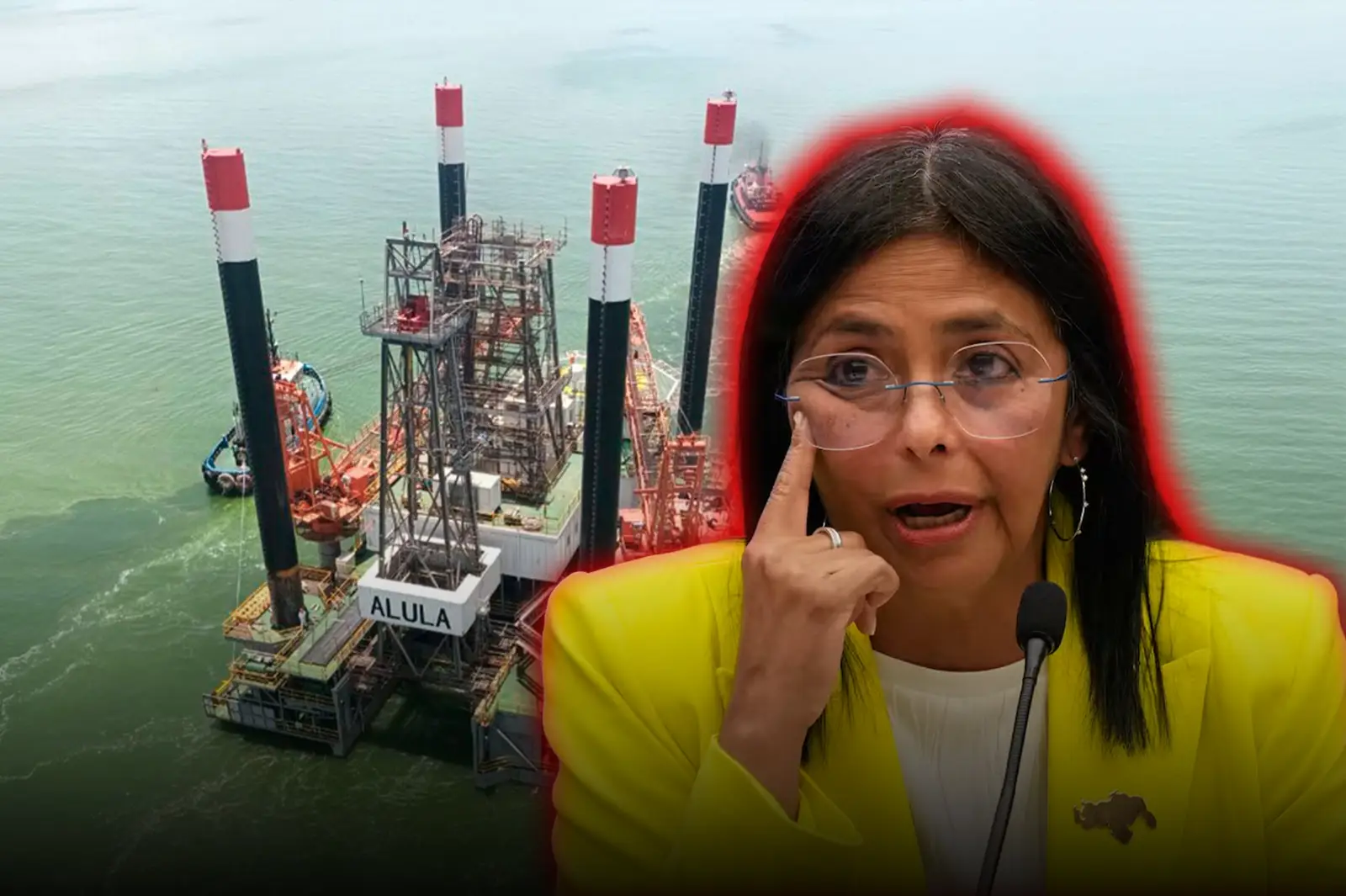
The dictator in charge of Venezuela, Delcy Rodríguez, enacted the new regulations of the Organic Hydrocarbons Law, a measure that implements the reform approved by the National Assembly in January and introduces significant changes in the operation of the country's main industry.
The new legal framework aims to facilitate private investment, streamline sector operations, and reduce some of the state control that characterized Venezuelan oil policy over the past two decades.
The Venezuelan dictator in charge Delcy Rodríguez
The regulations modify various aspects of the current regime to allow greater participation of national and foreign companies in hydrocarbon activities. Among the most relevant changes, the requirements for establishing associations with private capital are relaxed, administrative procedures are simplified, and new legal guarantees for investors interested in operating in the country are incorporated.
During the promulgation event, Rodríguez stated that the reform represents a modernization phase for the Venezuelan oil industry and asserted that the goal is to increase crude production, attract new investments, and strengthen the operational capacity of Petróleos de Venezuela S.A. (PDVSA). However, the authorities did not release the full text of the regulations nor detail all the specific changes incorporated into the regulations.
The oil industry continues to be Venezuela's main source of income, although in recent years it has experienced a sharp decline in production due to operational problems, lack of investment, international sanctions, and the deterioration of energy infrastructure.
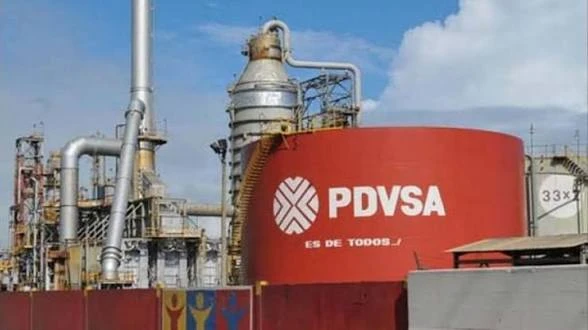
An oil plant of PDVSA
In this context, the authorities believe that opening up to new investments can help accelerate the recovery of the sector and increase crude extraction in the coming years.
The entry into force of the new regulations marks the beginning of a new phase for the Venezuelan energy sector. From now on, the Government will need to implement the provisions outlined in the reform and define the mechanisms through which interested companies can access the new participation schemes contemplated by the legislation.