The decision was communicated to the United States Congress and opens a 45-day review period before the measure can take effect, in a new twist of U.S. policy towards Damascus
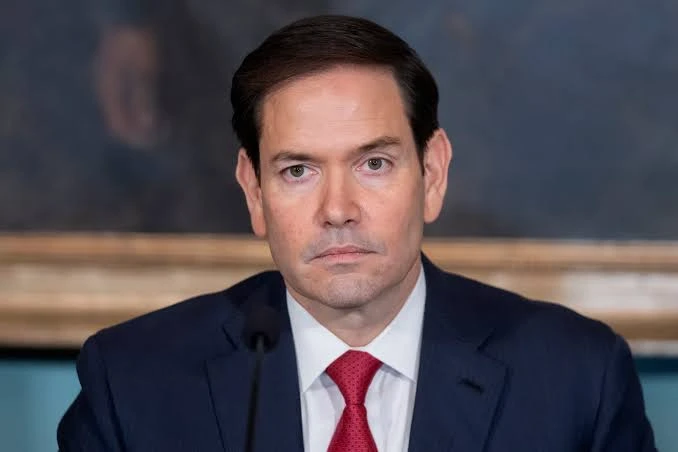
Secretary of State Marco Rubio confirmed that the notification has already been sent to Congress and explained that the procedure complies with U.S. legislation, which requires a review period before finalizing a country's removal from the list. During this time, lawmakers will be able to analyze the decision and assess whether to maintain or lift the designation.
From Damascus, Syrian authorities welcomed the announcement. The Governor of the Central Bank, Safwat Raslan, stated that the decision could help accelerate economic recovery, improve access to the international financial system, and strengthen the confidence of potential investors.
Various countries in the region, including Saudi Arabia and other Gulf States, also expressed interest in expanding their investment projects in Syria if the process concludes favorably.
If Congress does not raise objections during the review period, Syria will cease to be on the U.S. list of State Sponsors of Terrorism for the first time in nearly five decades. The decision would mark a substantial change in bilateral relations and could open a new phase for the country's economic reconstruction and diplomatic normalization after years of conflict.
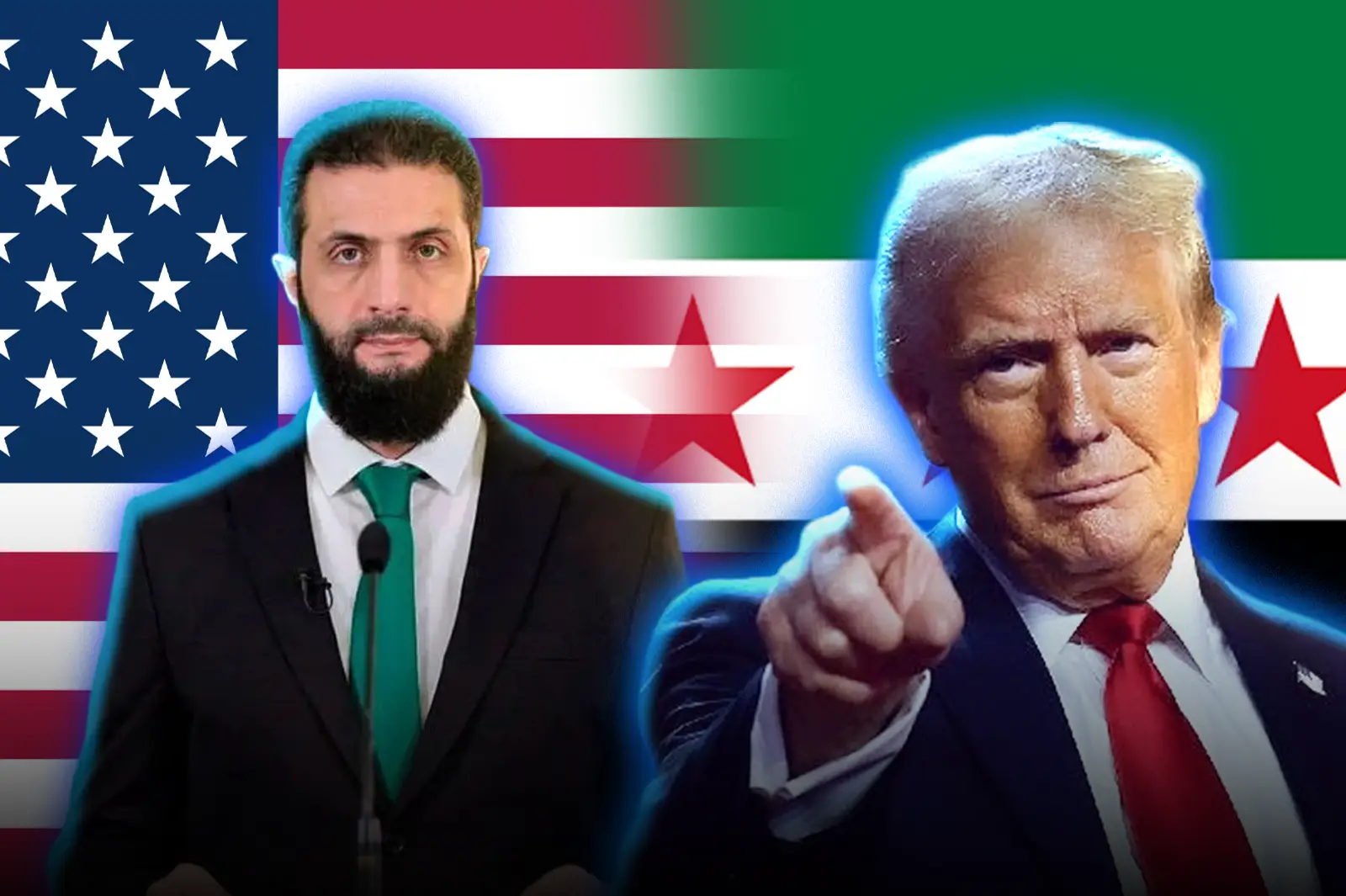
The President of the United States, Donald Trump, officially notified Congress of his decision to remove Syria from the list of State Sponsors of Terrorism, a designation that the country has held since 1979. The measure initiates a 45-day legislative review period, after which, if there are no legal objections, the exclusion could take effect and significantly alter the relationship between Washington and the new Syrian government.
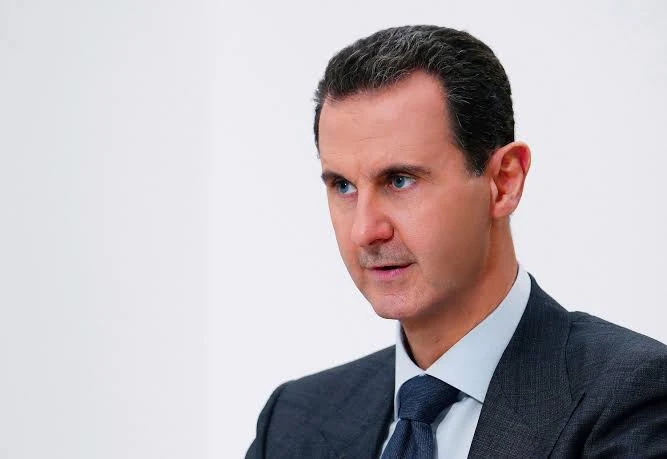
The decision represents one of the most important changes in U.S. foreign policy toward Syria since the fall of Bashar al Assad's regime. According to administration officials, the measure responds to the new political scenario that emerged after the formation of the government led by President Ahmed al-Sharaa and is part of a strategy aimed at facilitating the country's economic recovery and international reintegration.
The former Syrian dictator Bashar al-Assad
The designation as a State Sponsor of Terrorism imposed significant restrictions on Syria, including limitations on U.S. foreign aid, prohibitions on the export of defense materials, controls on dual-use products, and various financial restrictions. The eventual removal of that category would allow for the reduction of some of those obstacles and facilitate access to investments, financing, and international economic cooperation.