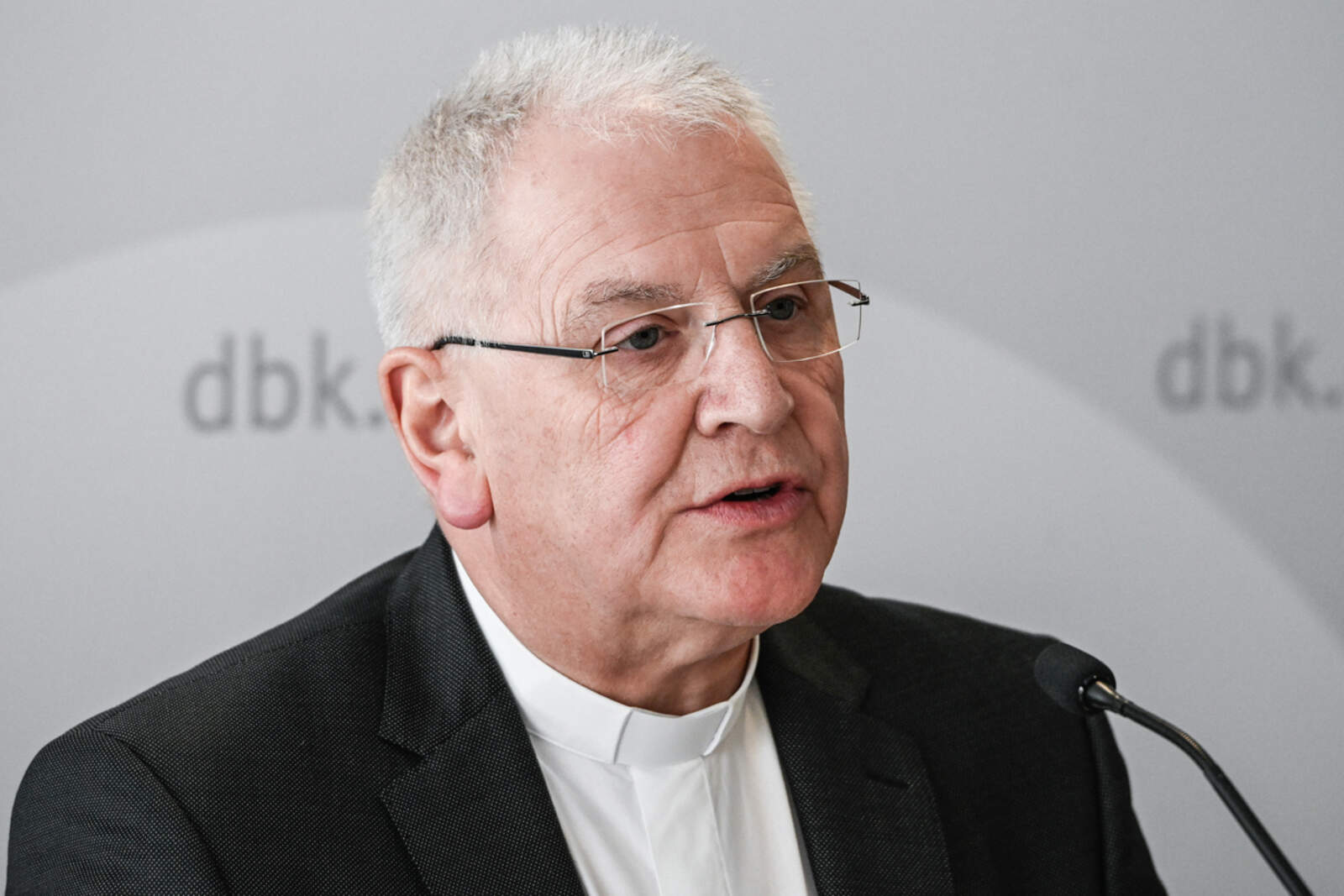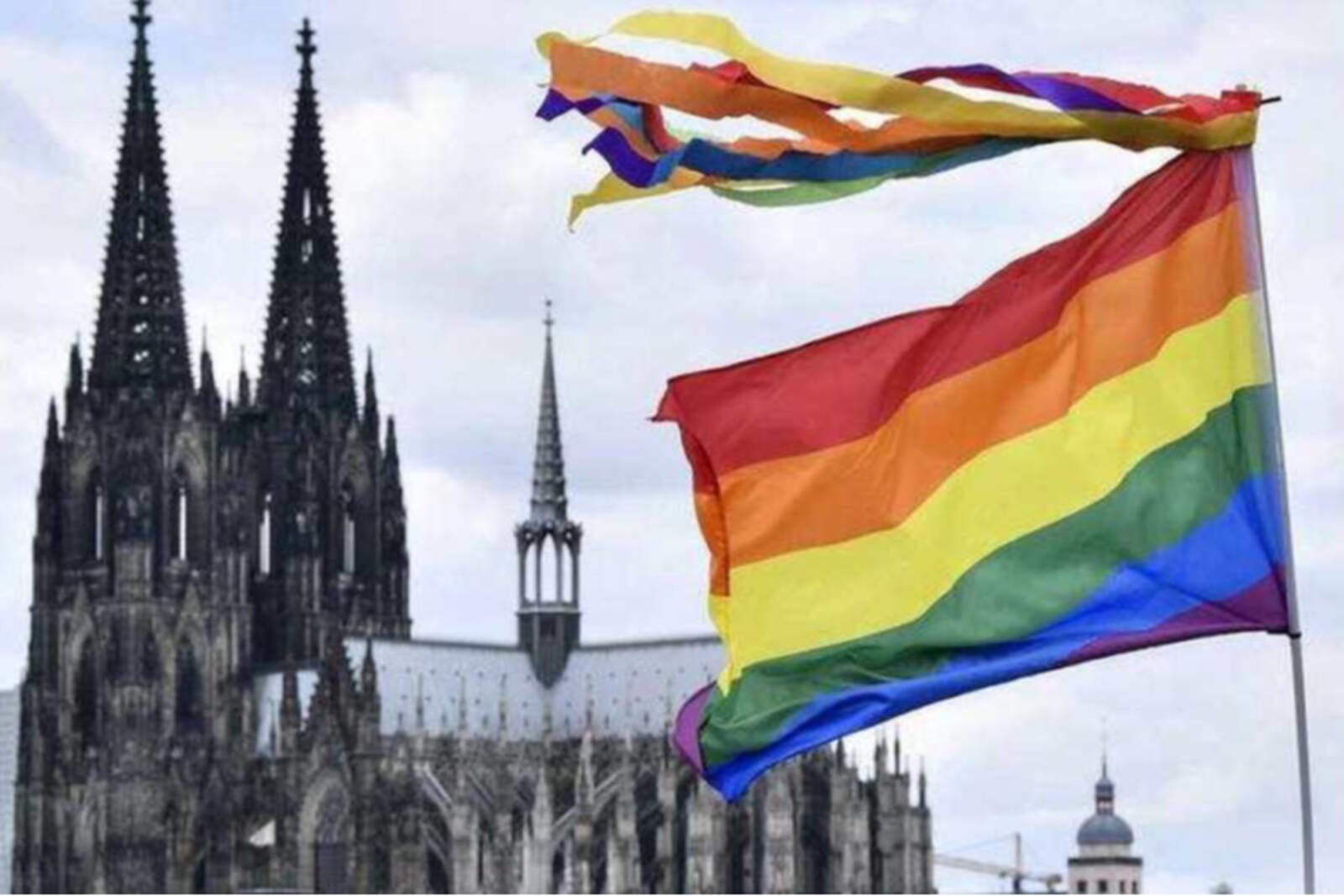

Last Thursday, the German Bishops' Conference (DBK) published a document titled "Geschaffen, erlöst und geliebt. Sichtbarkeit und Anerkennung der Vielfalt sexueller Identitäten in der Schule" ("Created, Redeemed, and Loved. Visibility and Recognition of the Diversity of Sexual Identities in School"), a queer manual aimed at Catholic schools in Germany.
Its stated goal is "to promote the acceptance and visibility of sexual diversity within denominational educational institutions." However, the content and approach of the text have sparked strong controversy, since this "guide" breaks with the essential principles of Catholic doctrine regarding sexuality and human anthropology.
The document urges Catholic teachers to show openness toward all sexual orientations and identities, to encourage the use of "inclusive and non-heteronormative" language, and to foster critical reflection on "gender stereotypes."
It even suggests that educational centers build gender-neutral bathrooms and promote an institutional policy that makes "diversity" visible through the web and promotional material. Likewise, it requires that pedagogical materials be reviewed to detect "queerphobic stereotypes" or traditional views of gender roles.
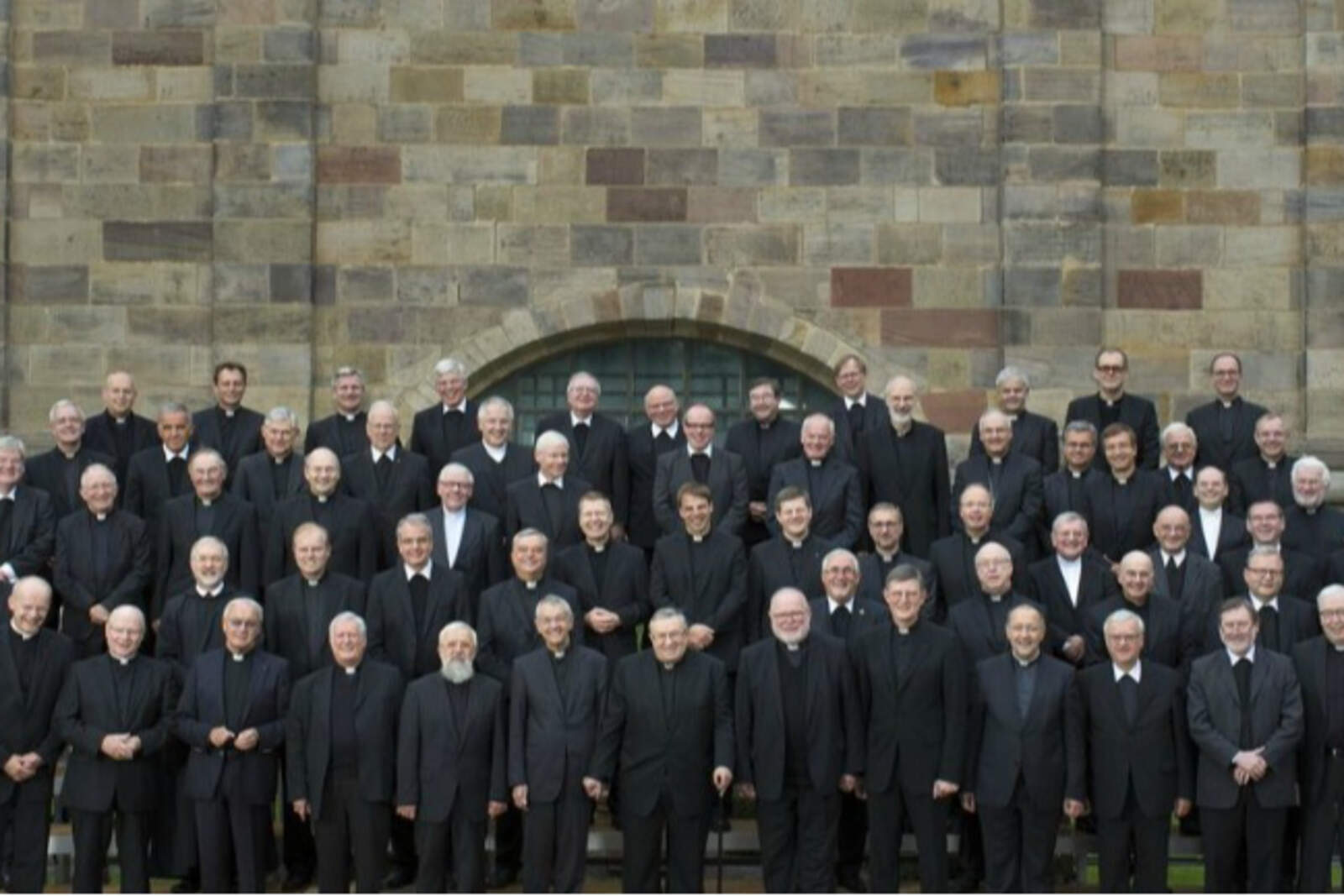
The president of the DBK, Heinrich Timmerevers, justified the text by stating that the "diversity of sexual identities" is an "undeniable" fact. According to the document, the school must be a place where children can "find certainty about their sexual orientation and gender identity," which implies a sex education "adapted to their age" and based on the acceptance of the plurality of identities.