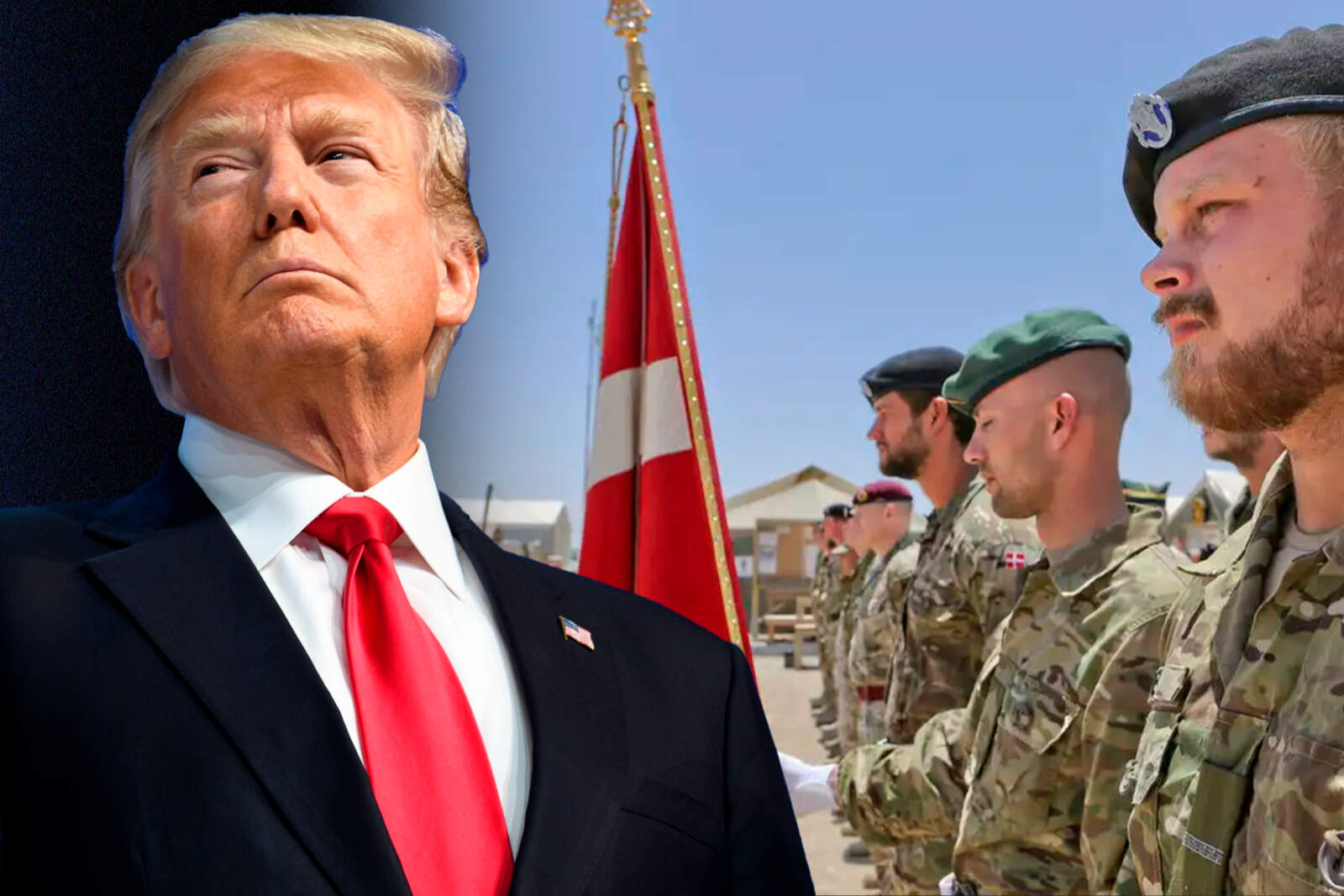
The government of Denmark issued this week a direct and unprecedented warning by confirming that its armed forces have the express order to respond immediately and without waiting for instructions to any attempt to invade Greenland, even if the aggression comes from an allied country.
The clarification comes amid growing tensions with the United States, after President Donald Trump reiterated that he doesn't rule out the use of force to take control of the Arctic territory.
The Danish Ministry of Defense confirmed the validity of a military rule established in 1952 that obliges the troops to "take up combat immediately" in the event of an attack, without waiting for higher orders or formal confirmation of a state of war. The provision was ratified after consultations that cited the official text of the national defense regulations.
"The decree on preventive measures for the military defense of the country in the event of attack or war remains in force", the ministry stated in an official declaration, emphasizing that the instruction is clear: any force that attempts to enter Danish or Greenlandic territory by force will be confronted immediately.
El Ministerio de Defensa danés citó una norma que habilitaría a las fuerzas armadas a actuar sin ningún tipo de declaración o autorización oficial
The warning comes in a context of growing concern in Europe over statements by the Trump administration, which has publicly acknowledged that it is evaluating different options regarding Greenland, including its purchase or greater military intervention in its defense.
The White House has indicated that "using the U.S. military is always an option" and that the issue "is not going to disappear", despite protests from NATO allies.
Trump has defended his position by arguing that Greenland is key to Arctic security and to Western defense against the expansion of Russia and China in the region. However, in Denmark and in other European capitals, these statements have been interpreted as a "direct threat" to territorial sovereignty.
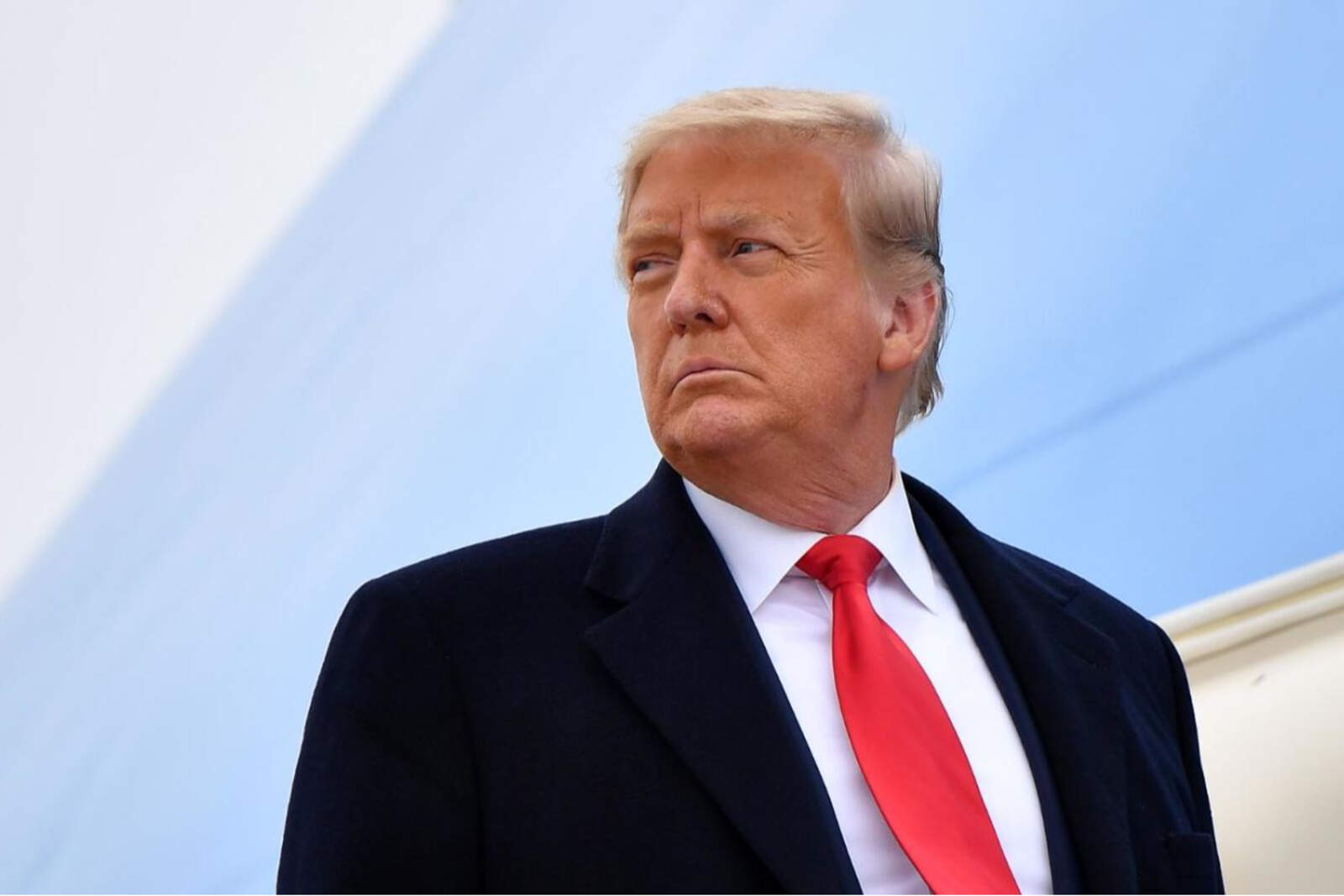
Trump aseguró que no descarta la opción militar frente a la situación en Groenlandia
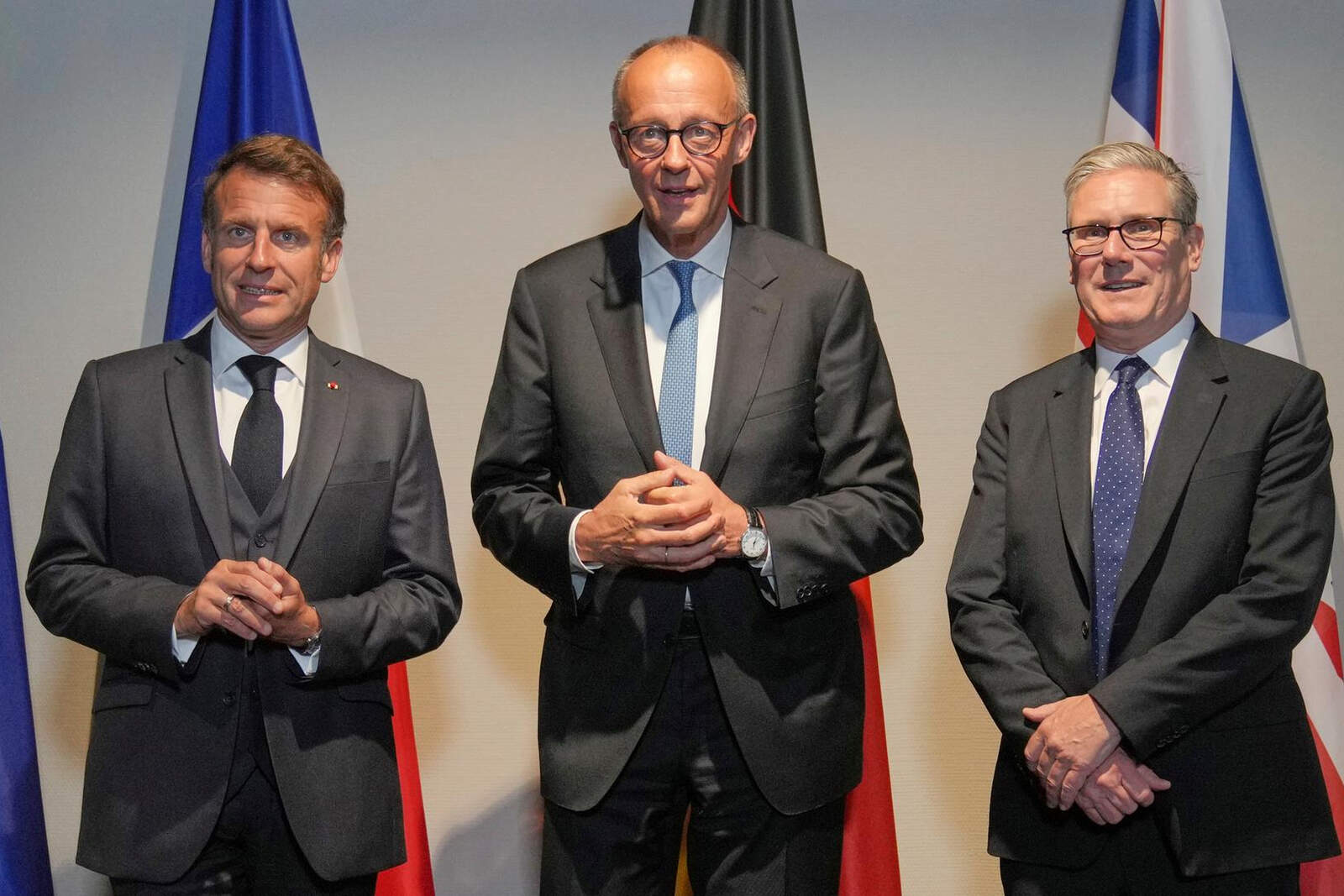
The European reaction was immediate. Seven leaders, from the United Kingdom, France, Germany, Italy, Poland, Spain, and Denmark, issued a joint declaration reaffirming that "Greenland belongs to its people" and that its territorial integrity will be defended.
In the communiqué they also recalled the defense agreement signed between the United States and Denmark in 1951, insisting that any decision about the future of the territory corresponds exclusively to Copenhagen and to the Greenlandic authorities.
Diplomatic sources indicated that European governments are holding urgent talks on how to respond in the event that Washington tries to go beyond rhetoric.
Security experts have warned that a military confrontation between two NATO members would be an unprecedented event and could mean the collapse of the Atlantic alliance as it is known.
Varios líderes europeos emitieron una declaración señalando que Dinamarca posee la soberanía sobre Groenlandia
From Greenland, local leaders have indicated that the island is not for sale and have called for calm, although they have shown themselves willing to meet with U.S. officials to hear proposals. The population of the autonomous territory watches with concern as its strategic position has turned it into the center of a dispute between powers.
Trump, meanwhile, replied to European criticism with strong statements against NATO, accusing several allied countries of not meeting their defense spending commitments. The president maintained that for decades the United States has borne a disproportionate burden to guarantee Europe's security and questioned whether the alliance would respond in the same way if Washington needed it.