China drastically escalated its rhetoric against Japan on Friday, warning that Tokyo would suffer a "crushing defeat" if it decides to intervene militarily in a potential conflict over Taiwan. The statement came after a week of tensions and reflects the hardening of China's discourse toward its neighbors in a context of growing regional instability.
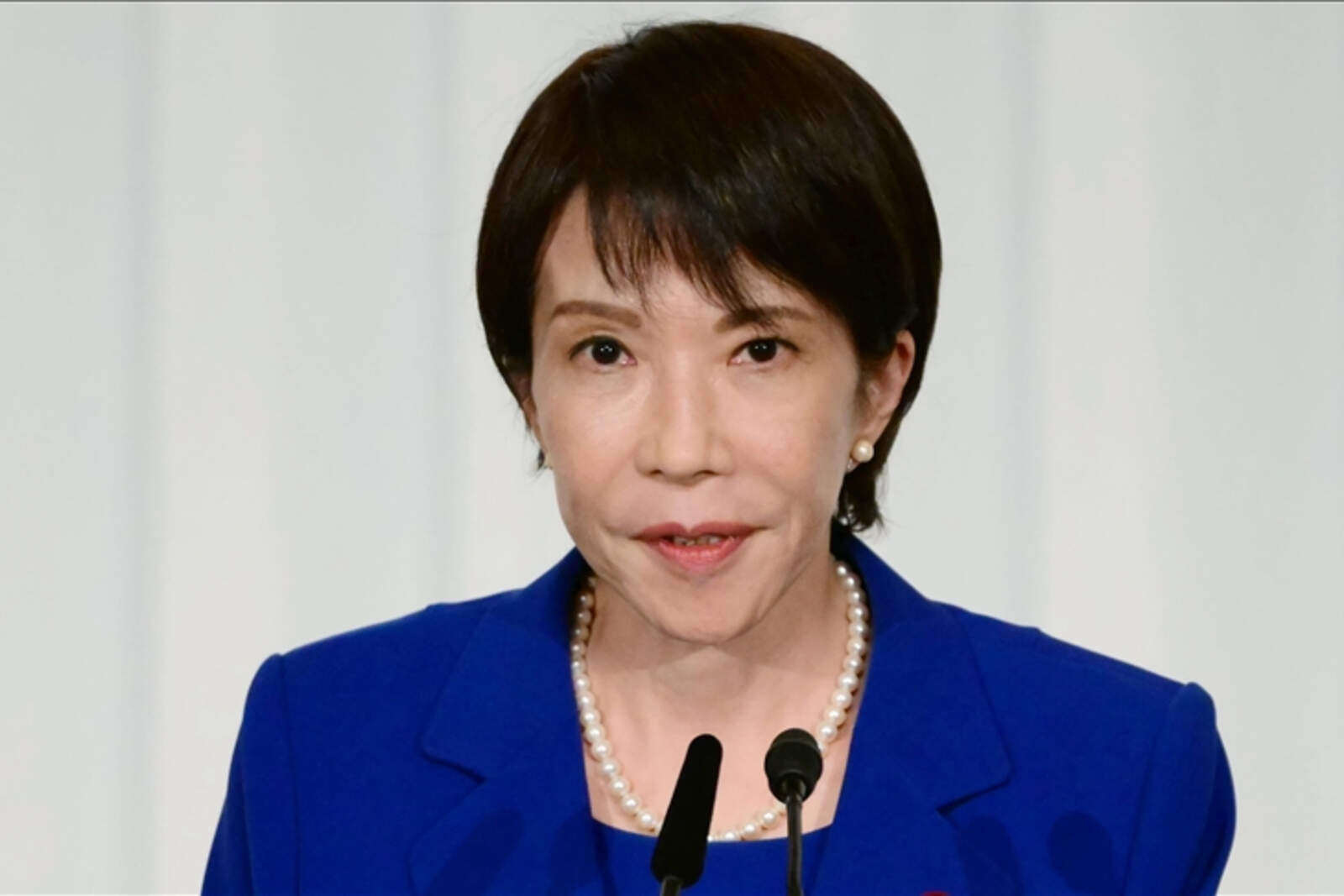
The conflict began when Japanese Prime Minister Sanae Takaichi stated in Parliament that a Chinese attack on Taiwan could constitute an "existential threat situation" for Japan, opening the door to a military response.
Beijing reacted furiously, interpreting the comments as a provocation, even though Japan based its position on its geographic proximity to Taiwan and the strategic importance of the maritime routes surrounding the island.
La primer ministra de Japón señaló que un ataque de China a Taiwán pondría en peligro la soberanía japonesa
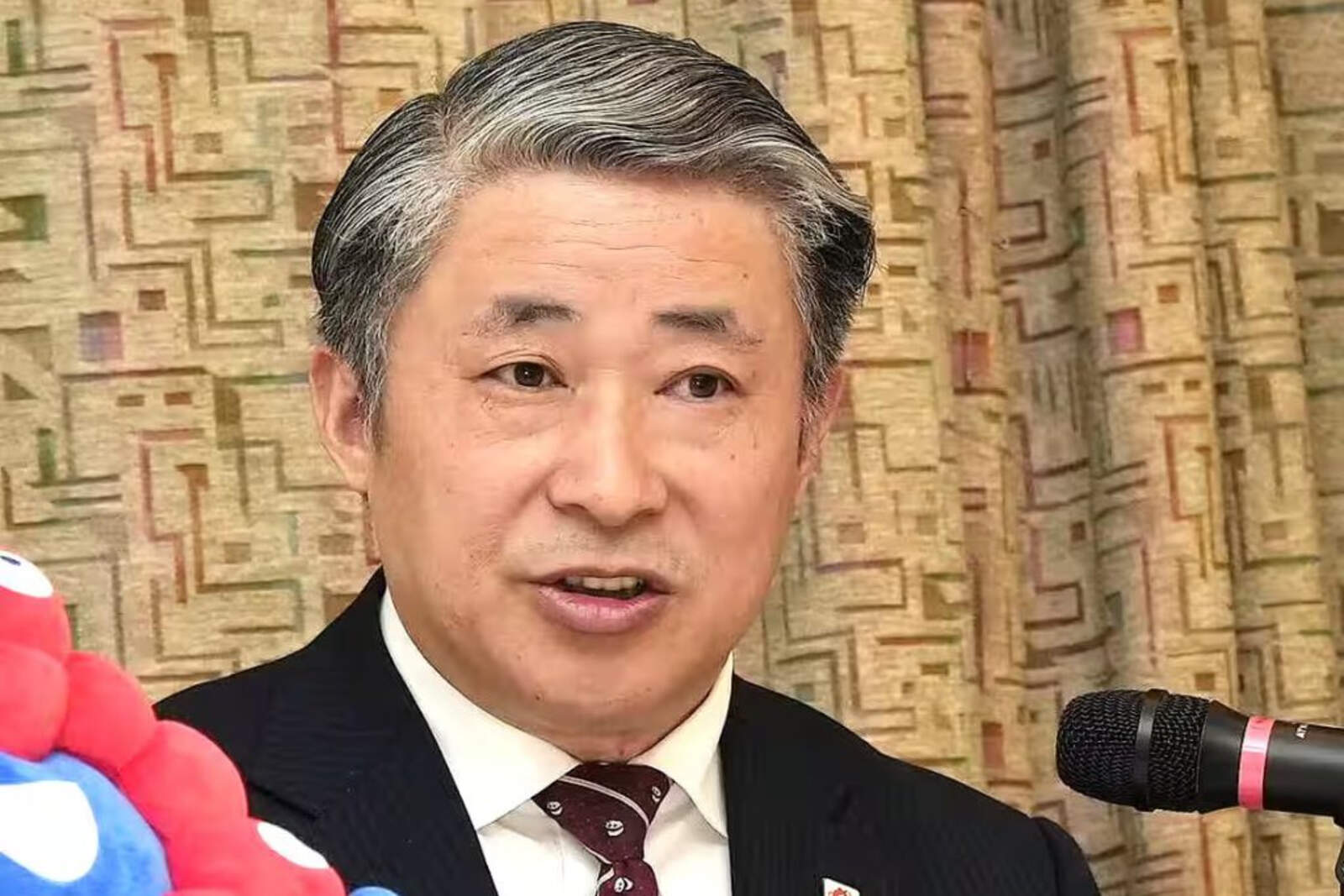
The situation escalated when the Chinese consul general in Osaka, Xue Jian, posted an alarming and inappropriate message on X: "the dirty neck that sticks out must be cut off", referring to Takaichi.
The comment, perceived as an intolerable personal threat against a head of government, was later deleted, but prompted Tokyo to summon the Chinese ambassador for a formal protest. Japanese political leaders even called for Xue's expulsion, although the government chose to request "appropriate measures" from Beijing.
Far from moderating, China reinforced its stance. Defense Ministry spokesperson Jiang Bin warned that Japan "will pay a high price" if it interferes in the Taiwan issue, insisting that Japan's historical attitude should serve as a "lesson."
El cónsul chino en Japón lanzó duras amenazas contra la premier japonesa
The Chinese foreign ministry also summoned the Japanese ambassador in Beijing to express a "strong rejection" of Takaichi's remarks, a significant diplomatic gesture that hadn't occurred since 2023.
Additionally, China harshly criticized the possibility of Japan acquiring nuclear submarines, describing it as a "negative change" in its security policy, and even issued a travel warning urging its citizens to avoid Japan, citing a deterioration in the security climate.
Chinese state media intensified their campaign against Japan with editorials accusing Tokyo of "reviving militarism," "denying its history," and "exaggerating the Chinese threat." These narratives, common in official propaganda, reopen historical wounds more than 75 years after the end of World War II.
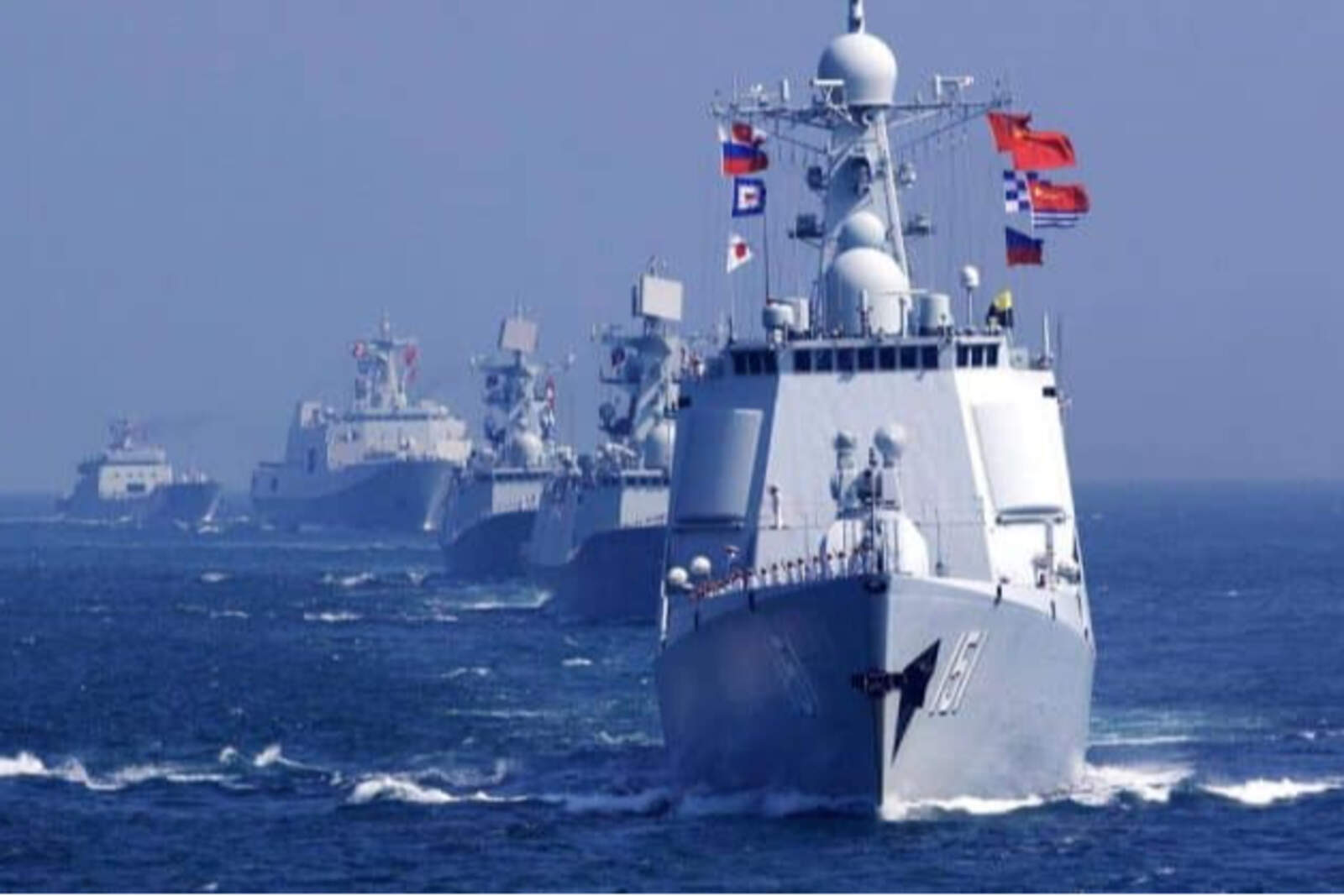
China ha desplegado en los últimos años múltiples buques de guerra frente a la isla de Taiwán
The Japanese government replied by reaffirming its position: stability in the Taiwan Strait is vital for its security and economy, and any resolution must be achieved peacefully. Japan hosts the largest U.S. military presence abroad and is less than 120 kilometers (75 miles) from the island, a key factor in its defense strategy.
China also took advantage of the situation to increase pressure on Taiwan, issuing arrest warrants against Taiwanese influencers accused of "separatism," despite having no jurisdiction over the island. The measures were publicly ridiculed by the accused themselves.